Business License

Cycloidal Reducer Manufacturer: How to Choose a Reliable Supplier
A reliable cycloidal reducer manufacturer supplies compact, high-torque gearboxes built around cycloidal disc motion, typically offering reduction ratios from 9:1 to 87:1 in a single stage. The right supplier combines precision machining, heat treatment, inspection, and responsive engineering support so your mixer, conveyor, or packaging line keeps running.
Yet not every reducer labeled "cycloidal" delivers the same service life. In 2024, one food-processing plant in Southeast Asia replaced three low-cost cycloidal units in 18 months before discovering that tooth profile accuracy and bearing quality were the real differences.
If you are sourcing cycloidal reducers for industrial equipment, you already know that compact size and high reduction ratio matter. By the end of this article, you will know how cycloidal reducers work, which applications they fit best, and what questions to ask before choosing a cycloidal reducer manufacturer. We will cover the working principle, common series like BWY and BLY, selection factors, quality checks, and how to request a reliable quote.
Key Takeaways
Cycloidal reducers use an eccentric cam and cycloidal disc to achieve high reduction ratios in a compact housing.
Common series include BWY/BLY foot-mounted and XWED/XLED flange-mounted cycloidal pin wheel reducers.
Look for manufacturers with precision machining, heat treatment, inspection, and export experience.
Standard models suit common ratios and mounts; custom reducers solve unique footprint or load requirements.
Always request material certificates, inspection reports, and after-sales support before ordering.
What Is a Cycloidal Reducer and How Does It Work?
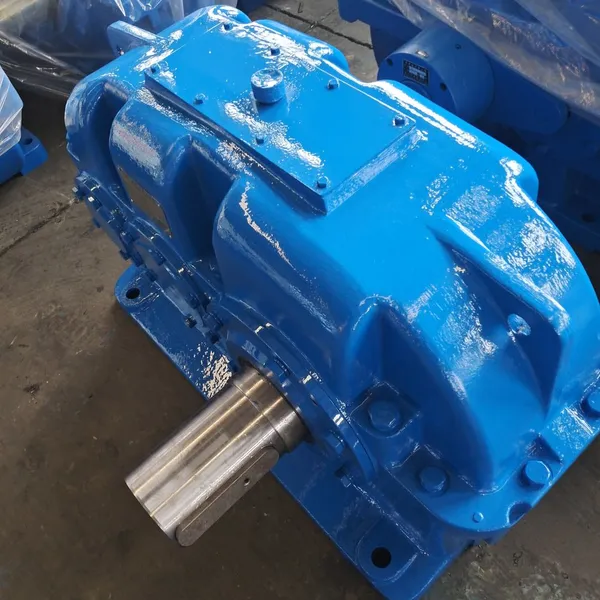
A cycloidal reducer, also called a cycloidal pin wheel reducer or cycloidal gearbox, is a speed reducer that transmits power through a unique rolling-contact mechanism. Instead of conventional involute gears, it uses an eccentric cam, a cycloidal disc, and fixed ring pins to create smooth, high-ratio speed reduction.
The core components include:
Input shaft with eccentric cam: Offsets the cycloidal disc so it orbits rather than spins on its center.
Cycloidal disc: A specially profiled disc with lobes that mesh with fixed ring pins in the housing.
Ring pins/rollers: Stationary pins mounted in the housing that the disc lobes engage.
Output pins/dogs: Transfer the reduced rotation from the disc to the output shaft.
As the input shaft turns, the eccentric cam drives the cycloidal disc in an orbital path. The disc teeth engage the fixed ring pins. Because the disc has one fewer lobe than there are ring pins, the disc rotates slowly in the opposite direction. Output pins connected to the disc deliver this reduced motion to the output shaft.
This design gives cycloidal reducers several distinctive advantages:
High reduction ratios in a single stage, often from 9:1 to 87:1.
High torque density because multiple teeth share the load simultaneously.
Low backlash, making them suitable for positioning and indexing applications.
Excellent shock-load capacity due to the rolling contact and rigid construction.
Compact footprint compared to many conventional gear reducers of similar torque rating.
For a visual explanation of this motion, see the animation below:
Caption: This animation shows how the eccentric disc and ring pins in a cycloidal drive create high reduction ratios in a compact housing.
To learn more about the underlying mechanism, you can also read this technical overview of cycloidal drives on Wikipedia.
Where Are Cycloidal Reducers Used?
Cycloidal reducers are popular in applications that need high torque, compact size, and reliable operation. Their ability to handle shock loads and frequent reversing makes them a practical choice across many industries.
Common applications include:
Mixers and agitators: High-viscosity materials need steady torque at low speed.
Conveyors and material handling: Compact drives fit into tight frame spaces.
Packaging machinery: Low backlash supports accurate positioning.
Food processing equipment: Smooth operation and sealed designs reduce contamination risk.
Pumps and compressors: Continuous-duty ratings match process equipment needs.
Automation and robotics: Precision motion control benefits from low backlash.
Mining and construction auxiliaries: Shock-load capacity protects downstream equipment.
When Li Wei, a maintenance engineer at a food-processing plant in Vietnam, noticed repeated failures in his mixer drives, he traced the problem to undersized worm gearboxes running hot. After switching to BWY-series cycloidal pin wheel reducers with proper service factor, his mixers ran cooler and his unplanned downtime dropped by nearly 40%. The compact size also let him keep the same mounting footprint without redesigning the mixer base.
What to Look for in a Cycloidal Reducer Manufacturer
Choosing the right cycloidal reducer manufacturer is about more than comparing prices. Industrial buyers need a supplier that can deliver consistent quality, technical support, and reliable logistics.
Engineering and Product Range
A capable manufacturer should offer a full range of cycloidal reducer series, including:
BWY/BLY series: Foot-mounted cycloidal reducers for general industrial drives.
BWEY/BLEY series: Combined cycloidal and motor units for plug-and-run installation.
XWED/XLED series: Flange-mounted units for mixer, agitator, and vertical applications.
BWD/BLD series: Compact cycloidal reducers for conveyors and light machinery.
Look for a manufacturer that can explain which series fits your torque, speed, mounting, and environmental requirements. If your application falls outside standard catalogs, the supplier should offer custom engineering.
Manufacturing Processes
Quality cycloidal reducers depend on precise machining and proper heat treatment. Ask potential suppliers about:
Material selection: Alloy steel for gears and pins, high-strength cast iron or steel for housings.
Heat treatment: Case hardening or through-hardening of load-bearing components.
Tooth profile accuracy: Precision machining of the cycloidal disc profile to ensure smooth engagement.
Bearing quality: Rated bearings sized for the reducer's rated torque and L10 life.
Surface finish and sealing: Protection against dust, moisture, and lubricant leakage.
At Jiangsu Manqi Machinery, we manufacture BWY, BLY, BWEY, BLEY, XWED, XLED, BWD, and BLD cycloidal reducers at our facility in Taixing City. Our engineering team reviews each inquiry to match the right series or design a custom solution.
Quality Inspection and Certifications
A trustworthy cycloidal reducer manufacturer will document quality at every stage. Look for:
Material certificates and heat treatment records.
Dimensional inspection of housings, shafts, and discs.
Gear contact and tooth profile verification.
Noise and vibration testing under load.
Runout and alignment checks before shipment.
Manufacturers aligned with ISO 9001 quality management standards demonstrate a structured approach to quality control. Membership or compliance with AGMA guidelines also signals technical credibility in gear manufacturing.
Customization and Export Support
If your equipment has unique shaft orientation, mounting bolt pattern, or environmental requirements, ask whether the manufacturer accepts custom drawings. Also confirm:
Drawing approval process before production.
Typical lead times for standard and custom units.
Export packaging and shipping documentation.
After-sales support for installation and troubleshooting.
Want help selecting the right cycloidal reducer? Contact our engineers with your application details and we will recommend a standard or custom solution.
When Sarah, an OEM designer in Poland, needed a compact drive for a new packaging line, she found that standard catalog reducers did not match her vertical mounting layout. Her cycloidal reducer manufacturer worked from her dimensional sketch, proposed a modified flange-mounted unit, and delivered approval drawings within five working days. The result was a drive that fit her frame exactly and kept her product launch on schedule.
Standard vs. Custom Cycloidal Reducers
Most cycloidal reducer manufacturers offer both standard catalog models and custom-engineered units. Knowing when each is appropriate saves time and money.
When a Standard Cycloidal Reducer Works
Choose a standard model when your requirements match common industrial specifications:
Standard reduction ratios such as 11:1, 17:1, 23:1, 29:1, 35:1, 43:1, 59:1, 71:1, or 87:1.
Common motor power ratings from 0.18 kW to 75 kW or more.
Standard foot or flange mounting positions.
Normal ambient temperatures and clean-to-moderate environments.
Standard BWY, BLY, XWED, and BLD reducers are usually available with shorter lead times and lower cost. They are ideal for replacement projects and new equipment that follows common design patterns.
When You Need a Custom Cycloidal Reducer
Custom or non-standard cycloidal reducers make sense when:
The mounting footprint differs from catalog dimensions.
Shaft diameter, length, or keyway is non-standard.
The reducer must operate in high dust, high humidity, or extreme temperatures.
Output torque or shock-load requirements exceed standard ratings.
You are retrofitting a failed reducer into an existing machine with tight clearances.
A custom cycloidal reducer manufacturer should provide engineering drawings for approval, confirm material and heat treatment specifications, and explain any lead-time implications before production begins.
Ready to compare standard and custom options? Browse our gear reducer catalog or send your specifications for a tailored recommendation.
Quality Inspection and Testing Standards
Quality separates a reliable cycloidal reducer manufacturer from a supplier that merely assembles parts. Before placing an order, understand what inspection and testing the manufacturer performs.
Incoming Material Inspection
Raw materials should arrive with mill certificates. Key checks include:
Chemical composition of alloy steels.
Hardness verification of gears, pins, and shafts.
Dimensional checks on castings and forgings.
In-Process Inspection
During machining and assembly, manufacturers should verify:
Cycloidal disc profile accuracy and surface finish.
Housing bore tolerances and alignment.
Bearing fit and preload.
Shaft runout and concentricity.
Final Testing
Before shipment, each reducer or sample batch should undergo:
No-load running test: Checks for abnormal noise, vibration, and heating.
Load test: Verifies performance at rated torque when required.
Oil leakage check: Confirms seal integrity.
Paint and packaging inspection: Protects the unit during transport.
When Marcus, a maintenance manager at a cement plant in Africa, sourced replacement cycloidal reducers for his conveyor system, he asked for factory test reports. The supplier provided noise readings, temperature rise data, and dimensional inspection sheets. After installation, the reducers ran quietly and showed no signs of overheating, evidence that the pre-shipment testing had been done properly.
How to Request a Quote from a Cycloidal Reducer Manufacturer
A clear, complete request speeds up quoting and reduces the risk of specification mismatches. Provide the following information when contacting a cycloidal reducer manufacturer:
Motor power and speed: kW rating and input rpm of the driving motor.
Required output speed or reduction ratio: The desired output rpm or ratio such as 23:1 or 59:1.
Output torque requirement: The torque needed at the output shaft under operating conditions.
Service factor: Account for load variation, shock, operating hours, and startup conditions.
Mounting position: Foot-mounted, flange-mounted, vertical, or custom.
Shaft specifications: Diameter, length, keyway, and orientation.
Operating environment: Temperature, dust, moisture, and duty cycle.
Quantity and delivery location: Needed for pricing and logistics planning.
If you have an existing reducer to replace, send photos, nameplate data, or dimensional drawings. For new designs, share your equipment layout so the manufacturer can recommend a standard or custom unit.
At Jiangsu Manqi Machinery, our technical team reviews each request against our standard catalog and custom engineering capabilities. We provide dimensional drawings for approval before manufacturing custom units, so you can verify interfaces before production begins.
Frequently Asked Questions
What Is the Difference Between a Cycloidal and a Planetary Reducer?
Both offer high torque density in compact packages, but they use different mechanisms. A cycloidal reducer uses an eccentric disc and ring pins for rolling contact. A planetary reducer uses a sun gear, planet gears, and ring gear. Cycloidal reducers often provide higher shock-load capacity and lower backlash in a given envelope, while planetary reducers can be easier to service in some designs.
What Reduction Ratios Do Cycloidal Reducers Offer?
Single-stage cycloidal reducers commonly offer ratios from 9:1 to 87:1. Two-stage designs can reach higher ratios when needed. The exact ratio depends on the number of lobes on the cycloidal disc and the number of ring pins.
Can Cycloidal Reducers Handle Shock Loads?
Yes. The rolling-contact engagement and rigid construction make cycloidal reducers well suited to shock and reversing loads. However, the manufacturer must size the unit with the correct service factor for the application.
How Do I Know If a Cycloidal Reducer Manufacturer Is Qualified?
Check the manufacturer's product range, machining capabilities, inspection processes, quality certifications, and export experience. Ask for material certificates, test reports, and references from similar applications. A qualified supplier will answer technical questions clearly and provide documentation.
What Maintenance Does a Cycloidal Reducer Need?
Maintenance is generally straightforward. Key tasks include checking oil level and condition, inspecting seals for leakage, monitoring noise and vibration, and verifying bolt torque on mounting feet and couplings. Follow the manufacturer's lubrication schedule and use the recommended oil grade for your operating temperature.
Conclusion
Choosing the right cycloidal reducer manufacturer means looking beyond price to engineering capability, manufacturing quality, inspection discipline, and after-sales support. Cycloidal reducers deliver high reduction ratios, compact size, and shock-load capacity for mixers, conveyors, packaging machinery, and many other industrial applications.
When evaluating suppliers, ask about their standard series such as BWY, BLY, XWED, and BLD; their ability to customize; and the testing each reducer undergoes before shipment. Standard models offer fast delivery and proven designs, while custom units solve unique mounting, load, or environmental challenges.
At Jiangsu Manqi Machinery, we manufacture and export cycloidal pin wheel reducers from Taixing City, combining precision machining, heat treatment, and multi-stage inspection with responsive technical support. Whether you need a standard BWY reducer or a custom-engineered cycloidal gearbox, our team can help you select the right unit for your application.
Ready to source your cycloidal reducer? Contact our engineers today with your torque, speed, and mounting requirements, and we will provide a technical recommendation and competitive quotation.
Recently Posted
-
Cement Mill Reducer Selection Guide | Manqi Machinery
July 15, 2026A cement mill reducer converts high-speed, low-torque motor power into the low-speed, high-torque rotation a cement grinding mill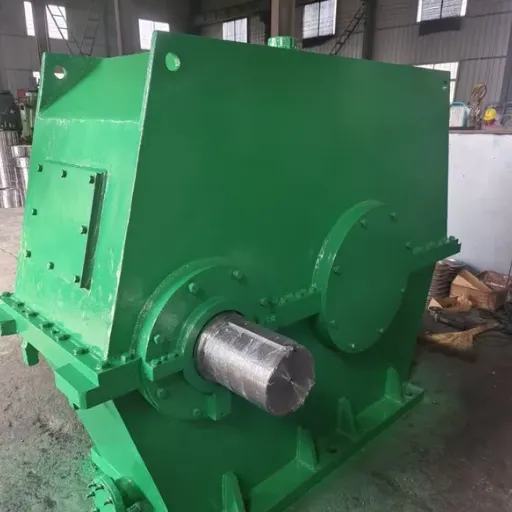 Read More
 -
Ball Mill Gearbox: A Complete Guide to Types, Selection, and Maintenance
July 15, 2026A ball mill gearbox is the heavy-duty speed reducer that converts high-speed motor rotation into the slow, powerful torque a ball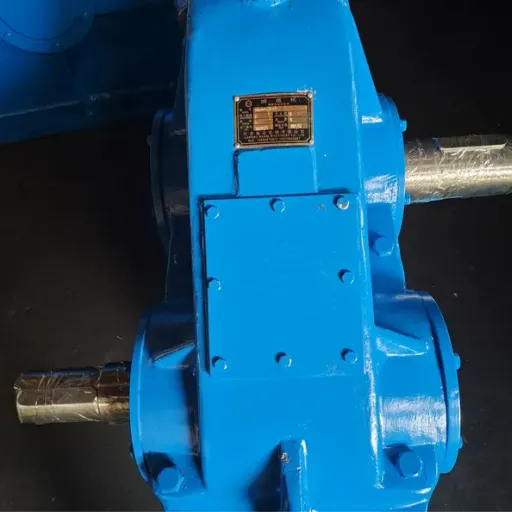 Read More
 -
JDX Mill Reducer: A Complete Guide for Center-Drive Ball Mills
July 15, 2026A JDX mill reducer is the standard drive solution for center-drive ball mills, raw mills, and coal mills in cement plants and mini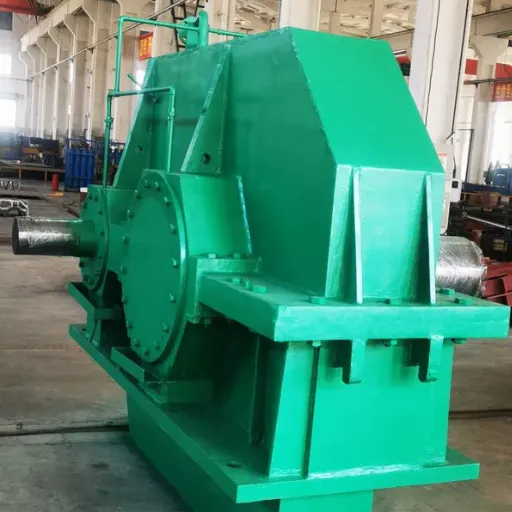 Read More
 -
MBY Ball Mill Reducer: Complete Specifications and Selection Guide
July 15, 2026The MBY ball mill reducer is an edge-drive mill reducer engineered for ball mills, raw meal mills, and coal mills in cement and mi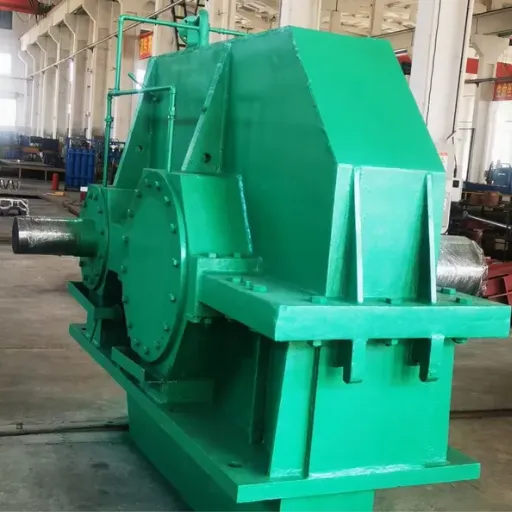 Read More

Contact Us
Recommended Products
-
 Kf127 Series Helical-Bevel Gear Motors for Industrial Power TransmissionNegotiableMOQ: 1 Set
 -
H1SH11 Modular Gearbox for Coal Mining Machinery With Cast Steel Housing and Mill Test ReportNegotiableMOQ: 1 Set
-
NGW101 Planetary Gear Reducer With Integral Flange Mount, 40Nm TorqueNegotiableMOQ: 1 Piece
-
Shanghai Dongfang DFSS400-520/4 Industrial Centrifugal Pump Wear RingNegotiableMOQ: 10 Pieces
-
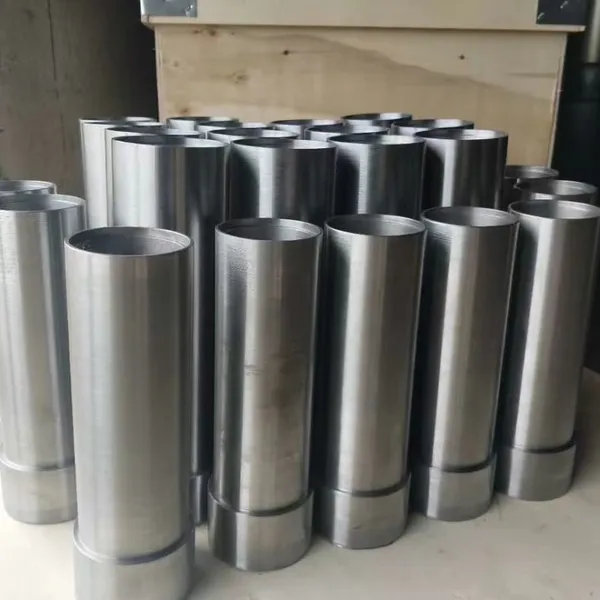
SLOW300-550 High Hardness Shaft Bushing Spare Parts Matching Shanghai Liancheng Water Pump AccessoriesNegotiableMOQ: 1 Piece
-
Shanghai Kaiquan KQSN300-X13A/390 Original Pump Seal Ring Spare PartNegotiableMOQ: 10 Pieces
-
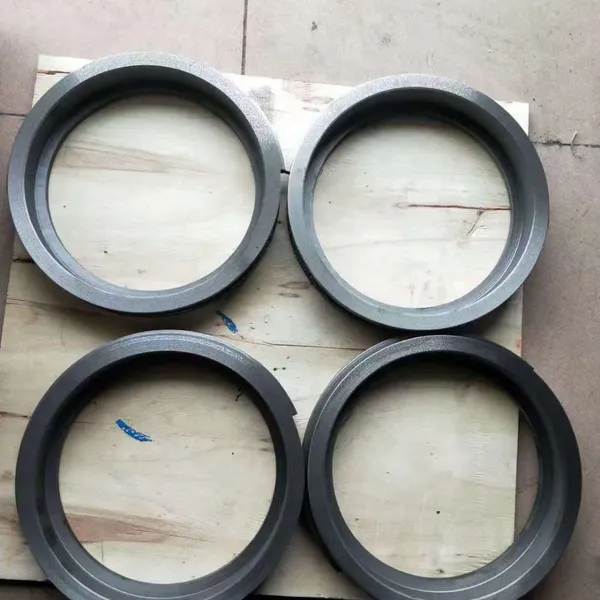
Shanghai Dongfang IHH100-65-250 Chemical Pump Anti-Corrosion Seal RingNegotiableMOQ: 10 Pieces
-
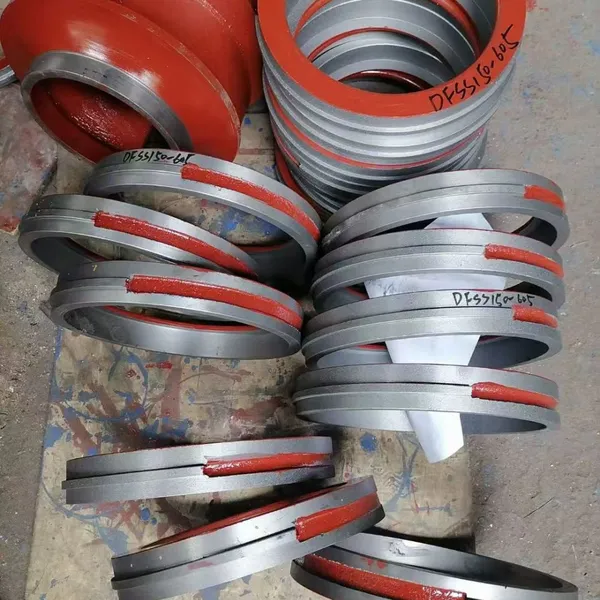
Shanghai Dongfang DFSS600-24N/6 Wear Spare Ring for DFSS Water PumpNegotiableMOQ: 10 Pieces
-
Coaxial Parallel Shaft Gearbox Systems With Right Angle Spiral Bevel Helical Gear MotorsNegotiableMOQ: 1 Set
-
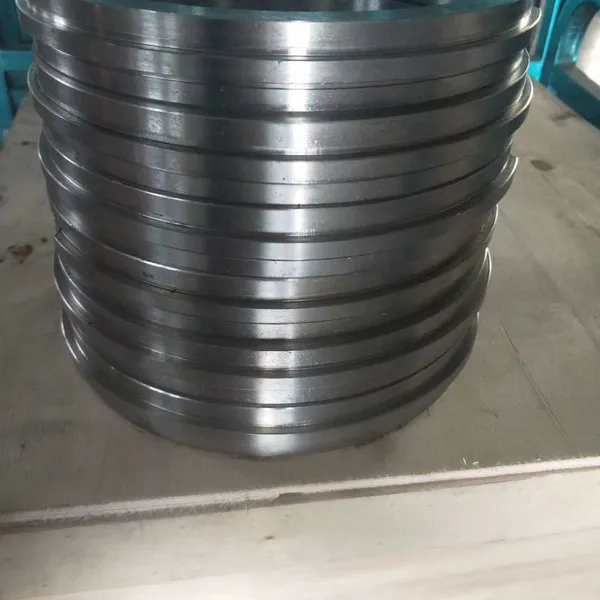
ZS125 Cylindrical Gear Reducer for Industrial Mixing ApplicationsNegotiableMOQ: 100 Sets
-
ZLY224 Cylindrical Gear Reducer With Hardened Steel Gears and 224mm Center DistanceNegotiableMOQ: 1 Piece
-
R87 Compact Inline Gear Motor Low Noise for Conveyor EquipmentNegotiableMOQ: 1 Set
-
NGW93 High Efficiency Low Vibration Planetary Gear Reducer For Machinery DriveNegotiableMOQ: 1 Piece
-
H1SH11 Modular Gear Reducers for CNC Machine IntegrationNegotiableMOQ: 1 Set
-
Gearmotor Converter System R/F/K/S Series Coaxial Parallel Shaft Gearbox Spiral Bevel MotorNegotiableMOQ: 1 Set
-
G3 Series Flange Mounted Helical Gear Motor Speed Reducer With Bevel GearboxNegotiableMOQ: 1 Set
-
Industrial Mixer Drive Solution With F Series Parallel Shaft Geared Motors F57 to F97NegotiableMOQ: 1 Set
-
Parallel Shaft Speed Reducer F Series, Models F57 F67 F77 F87 F97, IP55 Protection RatedNegotiableMOQ: 1 Set
-
Parallel Shaft Geared Motor F Series, F57-F97 With C-face Input Flange, 220V/380V OptionsNegotiableMOQ: 1 Set
-
Industrial ZSY630 Cylindrical Gear Reducer For Industrial Transmission EquipmentNegotiableMOQ: 1 Piece