Business License

High Torque Gear Reducer Manufacturer: How to Choose the Right Partner
The right high torque gear reducer manufacturer combines four strengths: proven engineering, controlled manufacturing, application-specific product families, and responsive custom support. The manufacturer you choose affects reliability, service life, and total cost of ownership.
What if the reducer you order looks correct on paper but cannot handle real shock loads? A few months after installation, tooth wear, bearing fatigue, or housing distortion can force a shutdown. That mistake costs lost production, emergency freight, and strained customer relationships.
At Jiangsu Manqi Machinery, we build high torque gear reducers for cement, mining, lifting, and material handling. This guide explains what makes a reducer truly high torque, what to look for in a manufacturer, and how to avoid common selection errors.
Key Takeaways
A high torque gear reducer must be sized for output torque, service factor, and shock load—not just motor power.
The strongest manufacturers offer hardened tooth surface technology, precision machining, multi-stage inspection, and custom engineering.
Product families such as MBY/JDX mill reducers, QY lifting reducers, and NGW planetary units are purpose-built for heavy-duty applications.
Custom or non-standard reducers are the right choice when footprint, shaft arrangement, or load profile differs from catalog designs.
Always verify material certificates, inspection reports, and after-sales support before placing an order.
What Makes a Gear Reducer "High Torque"?
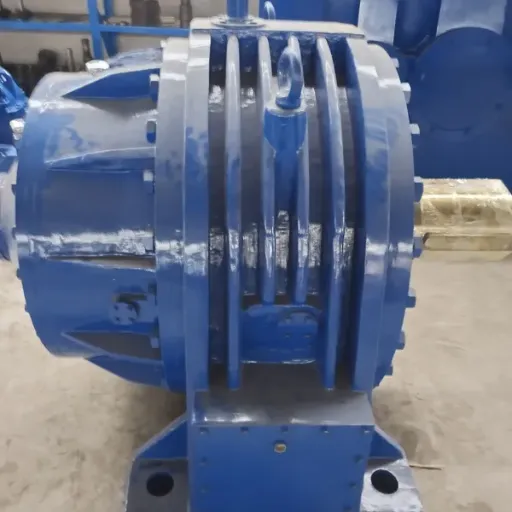
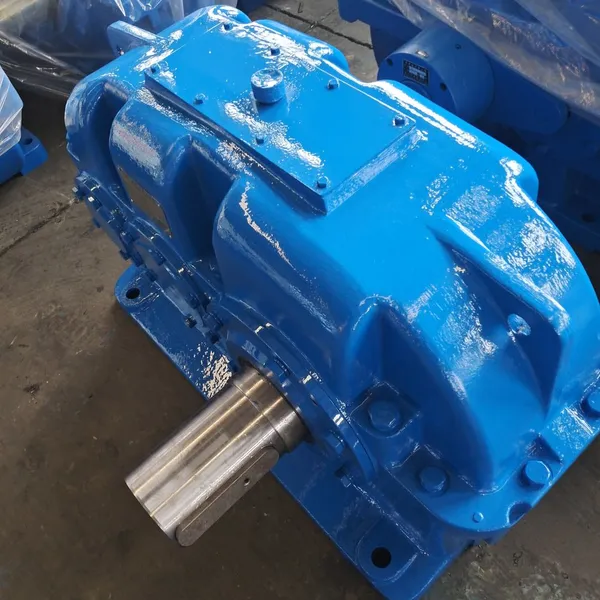
A high torque gear reducer converts high-speed, low-torque motor power into low-speed, high-torque output for heavy machinery. The term is not just marketing. It reflects real engineering choices in gear geometry, material selection, heat treatment, bearing sizing, and housing rigidity.
Output Torque and Service Factor
Output torque is the rotational force the reducer delivers at the output shaft. It is measured in Newton-meters (Nm). It must exceed the peak demand of the driven machine.
However, nominal torque is only part of the story. Service factor accounts for load variability, shock, operating hours, and startup conditions. A reducer for continuous duty in a ball mill, crusher, or crane typically needs a service factor between 1.5 and 2.5.
Selecting a unit based only on motor power is a common cause of premature failure. The correct service factor protects against hidden overloads.
Engineering Note
Always size a high torque reducer using the actual load profile, not the motor nameplate alone. A 200 kW motor driving a ball mill imposes far more stress than the same motor driving a steady conveyor.
Materials and Heat Treatment
High torque applications demand gears that resist pitting, scoring, and fatigue. Common requirements include:
Case-hardened alloy steel gears with HRC 58-62 tooth surface hardness
Precision ground or shaved tooth profiles for smooth load distribution
Rigid cast iron or welded steel housings that resist deflection under load
Bearings selected for rated load and L10 life at the required duty cycle
Without these fundamentals, a reducer cannot deliver reliable high torque service.
What to Look for in a High Torque Gear Reducer Manufacturer
Not every gearbox supplier can build true high torque reducers. When evaluating a manufacturer, look beyond price and catalog pages. The following capabilities separate reliable suppliers from risky ones.
Engineering and Design Capability
A capable manufacturer employs application engineers. They review your operating parameters before recommending a model. They should ask about:
Required output torque and speed ratio
Motor power and input speed
Daily operating hours and duty cycle
Ambient conditions such as dust, temperature, and humidity
Mounting constraints and existing foundation dimensions
Shock loads, reversing loads, or emergency stop conditions
If a supplier offers a model number without asking these questions, that is a warning sign. High torque selection is application-specific.
Manufacturing Breadth and Specialization
A specialized high torque gear reducer manufacturer offers multiple product families. Each family is engineered for specific load types. At Jiangsu Manqi Machinery, our range includes:
MBY/MBYX and JDX series for ball mill and mining mill drives
ZDY/ZLY/ZSY/ZFY and DBY/DCY series for hardened tooth surface industrial drives
NGW/NGW-S and NAD/NBD/NCD planetary series for compact high torque density applications
QY3D/QY4D/QY34D/QY3S/QY34S/QJY series for cranes, hoists, and lifting machinery
Custom and non-standard reducers for unique equipment layouts
This breadth shows the manufacturer understands different load conditions. It also shows investment in multiple engineering platforms.
Want to see how a focused product range simplifies procurement? View our gear reducer catalog to compare mill drives, planetary units, lifting reducers, and custom options.
Quality Control and Inspection
Quality in a high torque reducer is built through process control. Final inspection alone is not enough. Ask potential suppliers what inspection stages they perform. Essential checks include:
Material certificates and chemical composition verification
Heat treatment hardness testing
Gear contact pattern inspection
Noise and vibration testing at rated speed
Runout verification on shafts and flanges
Final assembly torque and seal checks
Manufacturers who welcome third-party inspection or factory visits are usually more confident in their processes.
Custom Engineering Support
Standard catalog reducers work for many applications. Heavy industrial machinery often has unique requirements. A strong manufacturer should offer:
Drawing review and dimensional adaptation
Custom shaft lengths, diameters, and keyways
Modified center heights and bolt patterns
Special seals or coatings for harsh environments
Prototype or small-batch production for OEM projects
At Jiangsu Manqi Machinery, we produce custom reducers based on customer drawings and operating conditions. We provide drawing approvals before manufacturing so your team can verify interfaces and dimensions.
Product Families Built for High Torque Applications
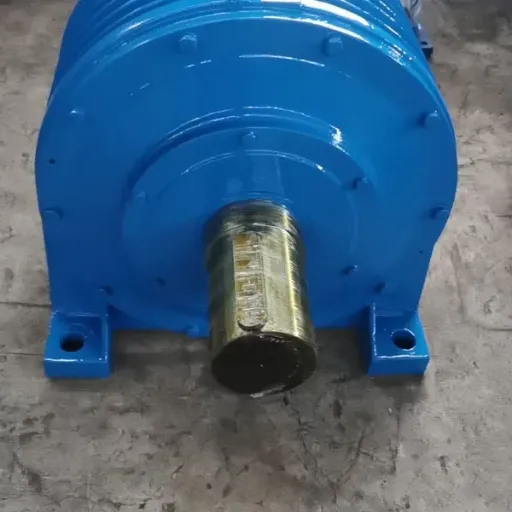
Different industries impose different torque, shock, and mounting demands. Matching the right product family to your application improves reliability and simplifies maintenance.
Ball Mill and Mining Reducers
Ball mills, raw meal mills, and coal mills in cement and mining plants require enormous torque and continuous duty. Edge-drive mills typically use MBY or MBYX series reducers that drive the mill pinion and girth gear.
Center-drive mills use JDX series reducers. These units absorb heavy radial and axial loads at the mill centerline. They feature case-hardened alloy steel gears, rigid housings, and output shafts sized for mill drive loads. For more details, see our ball mill reducer selection guide.
Hardened Tooth Surface Industrial Reducers
For general heavy industrial drives, ZDY/ZLY/ZSY/ZFY parallel-shaft reducers and DBY/DCY/DCYK bevel-cylindrical reducers offer high load capacity and efficiency. The hardened tooth surface increases contact strength and bending fatigue resistance.
These units are widely used in conveyors, crushers, mixers, and material handling systems.
Planetary Gear Reducers
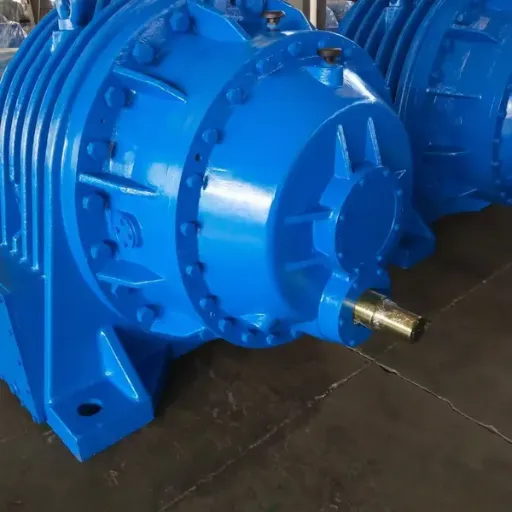
When installation space is limited but torque demand is high, NGW/NGW-S, NAD/NBD/NCD, and NBZD/NCZD planetary reducers distribute load across multiple planet gears. This shared load path delivers high torque density in a compact footprint.
Planetary designs are ideal for mining machinery, material handling equipment, and space-constrained OEM applications.
Lifting Machinery Reducers
Cranes and hoists require reducers that absorb dynamic loads and protect both the drive and the lifted load. QY3D/QY4D/QY34D/QY3S/QY34S/QJY series lifting reducers are engineered with shock-load capacity and safety margins appropriate for lifting operations.
They are used in overhead cranes, gantry cranes, electric hoists, and trolley drives.
Mini-Story: When the Wrong Manufacturer Cost a Cement Plant Six Weeks
In 2024, a procurement manager named Chen sourced a ball mill reducer from a low-cost trading company. The company was handling a cement plant upgrade in Southeast Asia. The catalog page showed the correct ratio and motor power. The price was 18% below the next quotation.
Six months later, the reducer began generating abnormal noise. Inspection revealed pitting on the gear teeth and excessive backlash. The trading company could not provide material certificates or heat treatment records.
Replacement required removing the mill pinion, hiring a mobile crane, and shutting down the line for six weeks. Chen later told our engineering team that the lowest initial quote became the most expensive purchase he had made. The experience taught him to verify manufacturing capability, inspection records, and after-sales support before evaluating price.
Standard vs. Custom High Torque Reducers
One of the most important decisions is whether a standard catalog reducer will meet your needs. Sometimes a custom unit is required.
When a Standard Reducer Works
Choose a standard model when:
Your torque, speed ratio, and duty cycle match catalog ratings
The mounting footprint and shaft arrangement are conventional
Lead time is a priority
You need spare parts availability and proven field performance
Standard reducers from established series offer shorter lead times, lower cost, and documented reliability. They are ideal for common industrial machinery and replacement projects.
When You Need a Custom Reducer
Custom or non-standard reducers make sense when:
The installation footprint differs from standard designs
Shaft orientation, center height, or bolt pattern must match existing equipment
The load profile includes high shock, reversing loads, or frequent starts
Ambient conditions require special seals, coatings, or cooling
You are integrating the reducer into new OEM machinery with tight packaging constraints
At Manqi Machinery, we review customer drawings and operating data before proposing a custom solution. Manufacturing only begins after drawing approval. This lets you confirm interfaces before production.
Need a reducer tailored to your equipment? Contact our engineers with your torque, speed, and mounting requirements for a custom recommendation.
Red Flags to Avoid When Selecting a Manufacturer
Experience has taught us that certain warning signs predict problems. Watch for these red flags during supplier evaluation.
Vague or Missing Technical Documentation
A manufacturer who cannot provide detailed specifications, material certificates, or inspection reports is unlikely to produce consistent high torque reducers. Request documentation early in the conversation.
Unrealistic Lead Times or Prices
If a quotation is dramatically lower than comparable offers, ask what is being omitted. Undersized bearings, lower-grade steel, or skipped heat treatment steps can produce a reducer that fails under load.
No Engineering Review Process
Suppliers who quote based only on a model number may be resellers rather than manufacturers. A true manufacturer will ask technical questions and may propose alternatives.
Limited After-Sales Support
High torque reducers require correct installation, alignment, lubrication, and commissioning. Confirm that the supplier provides technical support, spare parts, and troubleshooting guidance after delivery.
Mini-Story: How a Distributor Built a Reliable Crane Reducer Supply Chain
Dmitri, an industrial distributor in Eastern Europe, spent two years replacing crane reducers from multiple suppliers. Quality varied between batches. Some units ran hot. Others developed seal leaks within months. His customers began questioning whether he could guarantee consistent performance.
In 2025, Dmitri switched to a single high torque gear reducer manufacturer with documented heat treatment, gear grinding, and noise testing processes. He standardized on QY series lifting reducers for his crane and hoist customers.
Warranty claims dropped by more than half. His customers began placing repeat orders because they trusted the supply chain. The change did not start with a lower price. It started with a manufacturer who could explain exactly how each reducer was built and tested.
How to Request a Quote and Get an Accurate Recommendation
A well-prepared quotation request saves time. It also reduces the risk of mis specification. Provide as much of the following information as possible:
Application description: Ball mill, crane, conveyor, crusher, mixer, or other machine
Required output torque: In Nm, or motor power and output speed so torque can be calculated
Input speed and motor data: kW, rpm, and motor frame size
Reduction ratio or output speed: Required output rpm or ratio
Service conditions: Daily hours, shock load, reversing duty, ambient temperature, dust or moisture
Mounting requirements: Foot mounted, flange mounted, shaft orientation, center height, bolt pattern
Existing interface details: If replacing a reducer, provide the original model, drawing, or key dimensions
Quantity and delivery destination: Affects packaging, shipping method, and scheduling
The more complete the input, the more accurate the recommendation. A qualified manufacturer will use this information to confirm service factor, bearing life, thermal capacity, and mounting compatibility.
Quality Processes of a High Torque Gear Reducer Manufacturer
Reliability in high torque reducers is the result of disciplined manufacturing and inspection. When visiting or auditing a manufacturer, look for these process controls.
Material Control
Steel grade, chemical composition, and heat lot traceability form the foundation of gear durability. Ask whether the supplier uses certified alloy steel and retains material certificates.
Heat Treatment
Case hardening, through hardening, or induction hardening must be controlled. The goal is the specified surface hardness and core toughness. Inconsistent heat treatment leads to premature pitting, spalling, or tooth breakage. Reputable manufacturers follow industry standards such as AGMA gear quality standards for material and production consistency.
Precision Machining
Gear cutting, grinding, and shaving determine tooth profile accuracy and load distribution. Precision ground teeth run quieter. They transmit load more evenly and last longer than rough-machined gears.
Assembly and Testing
Before shipment, each reducer should undergo functional testing. Noise levels, vibration signatures, bearing temperatures, and seal performance should be checked under operating conditions.
Manufacturers that document these steps and share test reports provide the transparency that industrial buyers need.
Frequently Asked Questions
What is a high torque gear reducer?
A high torque gear reducer is a mechanical drive that converts high-speed, low-torque motor power into low-speed, high-torque output for heavy machinery. It uses hardened gears, robust bearings, and rigid housings to handle severe loads.
What makes a high torque gear reducer manufacturer reliable?
A reliable high torque gear reducer manufacturer provides material certificates, heat treatment records, multi-stage inspection, application engineering support, and documented after-sales service. They should also welcome factory audits or third-party inspection.
How do I choose a high torque gear reducer manufacturer?
Look for engineering capability, quality control processes, application-specific product families, custom engineering support, and documented after-sales service. Request material certificates and inspection reports before ordering.
What industries use high torque reducers?
High torque reducers are used in cement plants, mining equipment, cranes and hoists, material handling systems, construction machinery, marine applications, and heavy industrial drives.
When should I choose a custom reducer instead of a standard model?
Choose a custom reducer when your footprint, shaft arrangement, load profile, or environmental conditions differ from standard catalog designs. Custom engineering ensures the unit fits your equipment and duty cycle.
How can I verify a reducer manufacturer's quality?
Ask for material certificates, heat treatment records, inspection procedures, and test reports. If possible, conduct a factory audit or arrange third-party inspection before placing a large order.
What information do I need to request a high torque reducer quote?
Provide application type, required output torque or motor power, input speed, reduction ratio, service conditions, mounting requirements, quantity, and delivery destination.
Conclusion
Choosing the right high torque gear reducer manufacturer means looking past the catalog page. Focus on engineering depth, manufacturing control, and application support. The best suppliers ask the right technical questions. They document their quality processes. They offer both standard and custom solutions for demanding industrial applications.
At Jiangsu Manqi Machinery, we manufacture MBY, JDX, ZDY/ZLY/ZSY, NGW, QY, and custom high torque reducers from our facility in Taixing City. We serve cement plants, mining operations, crane manufacturers, and industrial distributors. Our team provides engineering-led selection support and export logistics through Shanghai port.
Ready to source a high torque gear reducer for your application? Contact our engineering team with your specifications, and we will recommend the right model or custom solution with a detailed quotation.
Recently Posted
-
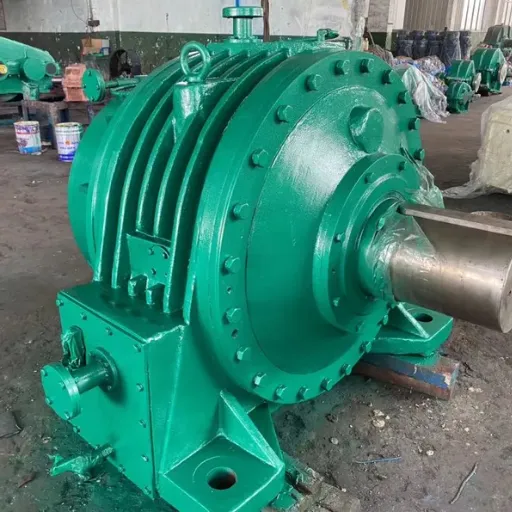
NGW Planetary Gear Reducer: A Selection Guide for Compact High-Torque Drives
July 30, 2026An NGW planetary gear reducer is a single-stage epicyclic gearbox that uses a central sun gear, planet gears, and an internal ring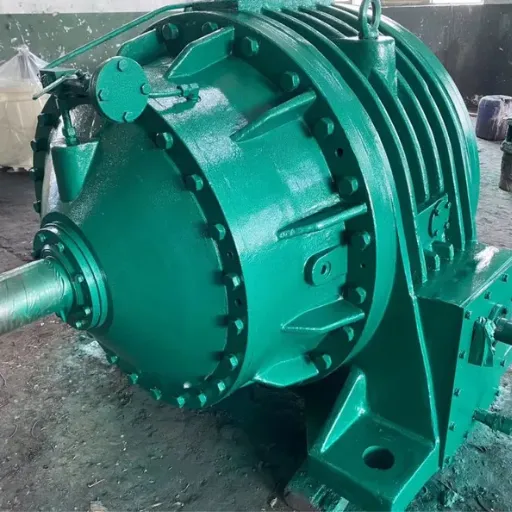 Read More
 -
Heavy Duty Planetary Reducer: A Guide for High-Torque Industrial Drives
July 30, 2026A heavy duty planetary reducer is the right choice when you need high output torque, shock-load capacity, and a compact footprint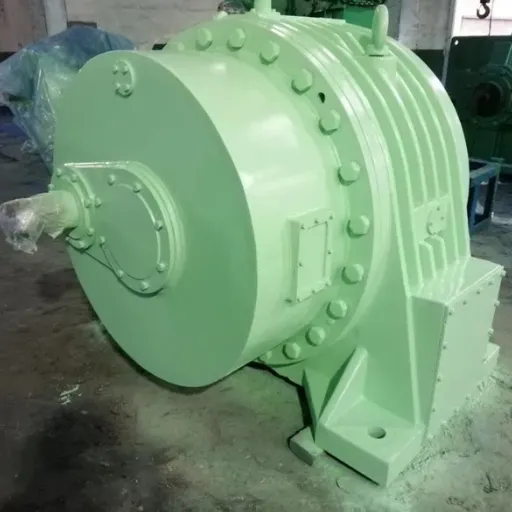 Read More
 -
Planetary Gear Motor: A Complete Engineer's Guide to Selection and Application
July 30, 2026A planetary gear motor is a compact drive solution that pairs a planetary gear reducer with an electric motor to deliver high outp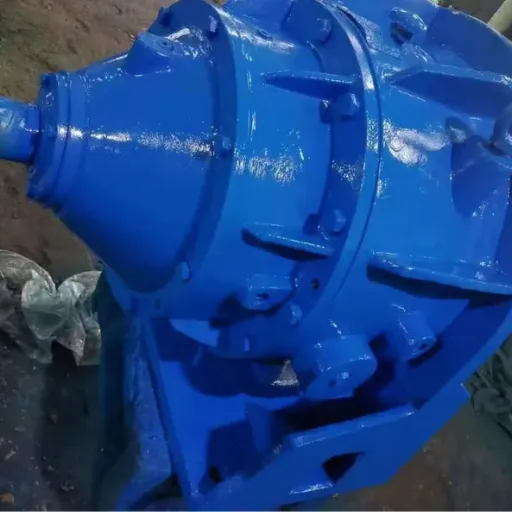 Read More
 -
High Torque Planetary Reducer: A Selection Guide for Heavy-Duty Industrial Drives
July 30, 2026A high torque planetary reducer is a compact drive system that distributes heavy loads across multiple planet gears meshing with a Read More

Contact Us
Recommended Products
-
 Kf127 Series Helical-Bevel Gear Motors for Industrial Power TransmissionNegotiableMOQ: 1 Set
 -
H1SH11 Modular Gearbox for Coal Mining Machinery With Cast Steel Housing and Mill Test ReportNegotiableMOQ: 1 Set
-
NGW101 Planetary Gear Reducer With Integral Flange Mount, 40Nm TorqueNegotiableMOQ: 1 Piece
-
Shanghai Dongfang DFSS400-520/4 Industrial Centrifugal Pump Wear RingNegotiableMOQ: 10 Pieces
-
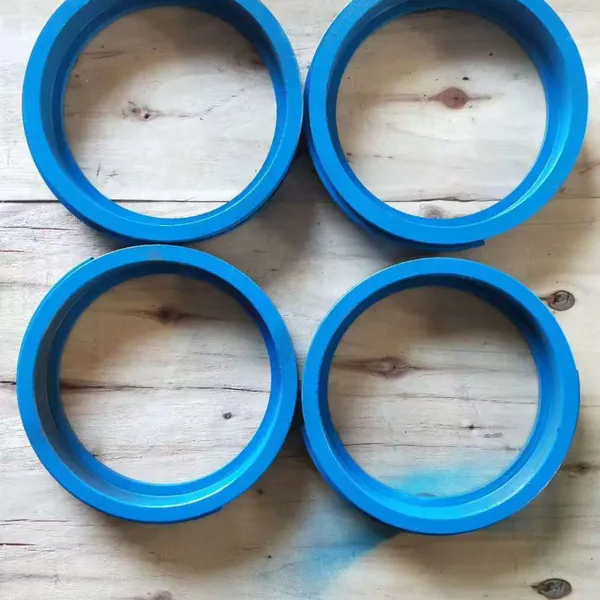
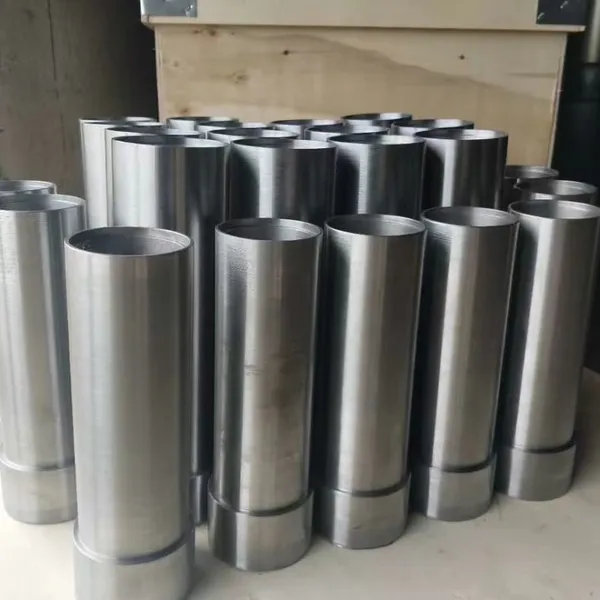
SLOW300-550 High Hardness Shaft Bushing Spare Parts Matching Shanghai Liancheng Water Pump AccessoriesNegotiableMOQ: 1 Piece
-
Shanghai Kaiquan KQSN300-X13A/390 Original Pump Seal Ring Spare PartNegotiableMOQ: 10 Pieces
-
Shanghai Dongfang IHH100-65-250 Chemical Pump Anti-Corrosion Seal RingNegotiableMOQ: 10 Pieces
-
Shanghai Dongfang DFSS600-24N/6 Wear Spare Ring for DFSS Water PumpNegotiableMOQ: 10 Pieces
-
Coaxial Parallel Shaft Gearbox Systems With Right Angle Spiral Bevel Helical Gear MotorsNegotiableMOQ: 1 Set
-
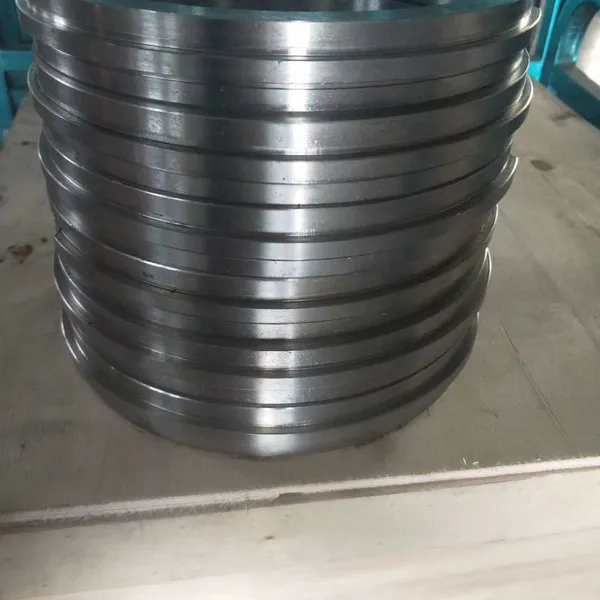
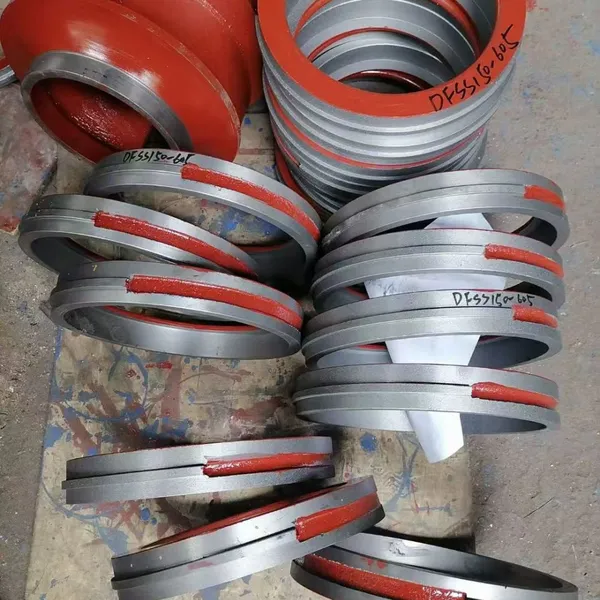
ZS125 Cylindrical Gear Reducer for Industrial Mixing ApplicationsNegotiableMOQ: 100 Sets
-
ZLY224 Cylindrical Gear Reducer With Hardened Steel Gears and 224mm Center DistanceNegotiableMOQ: 1 Piece
-
R87 Compact Inline Gear Motor Low Noise for Conveyor EquipmentNegotiableMOQ: 1 Set
-
NGW93 High Efficiency Low Vibration Planetary Gear Reducer For Machinery DriveNegotiableMOQ: 1 Piece
-
H1SH11 Modular Gear Reducers for CNC Machine IntegrationNegotiableMOQ: 1 Set
-
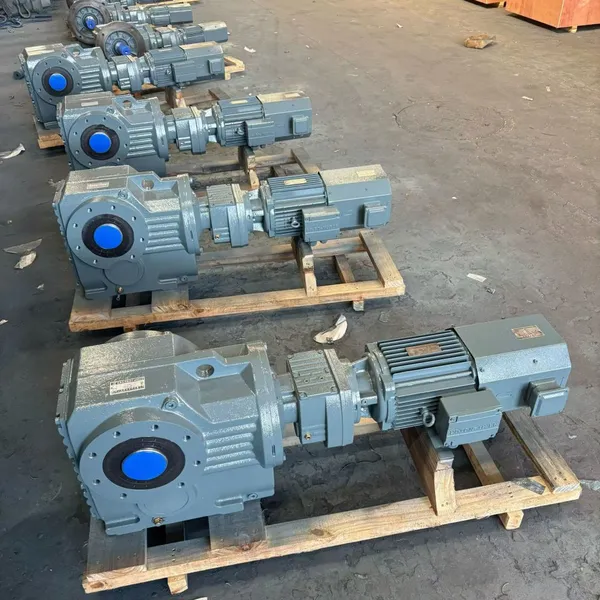
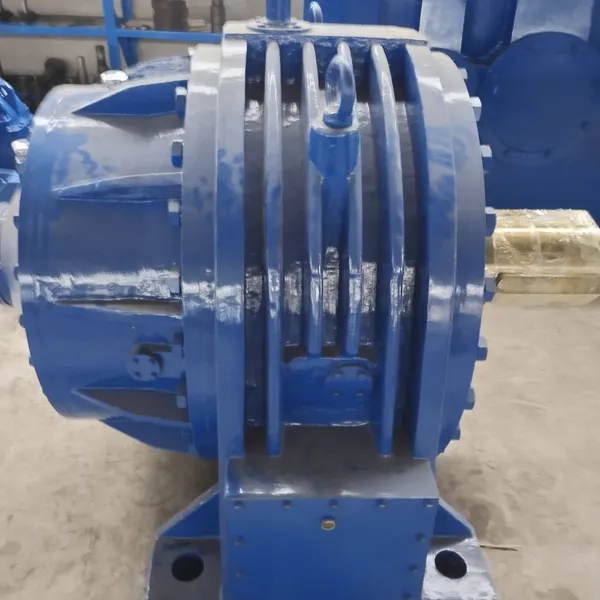
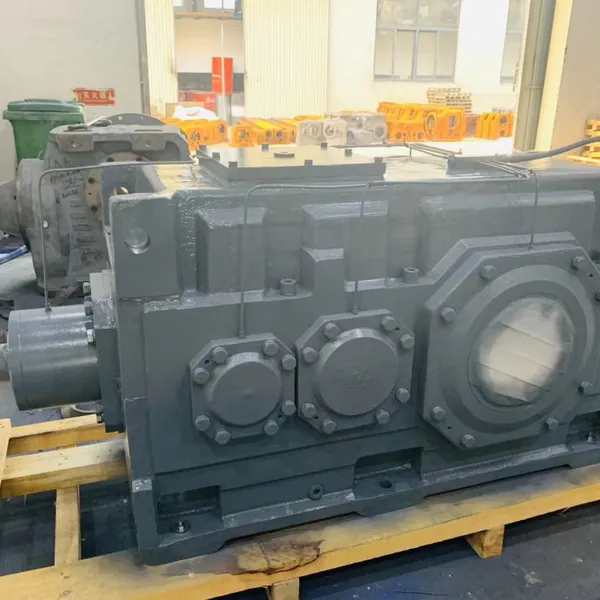
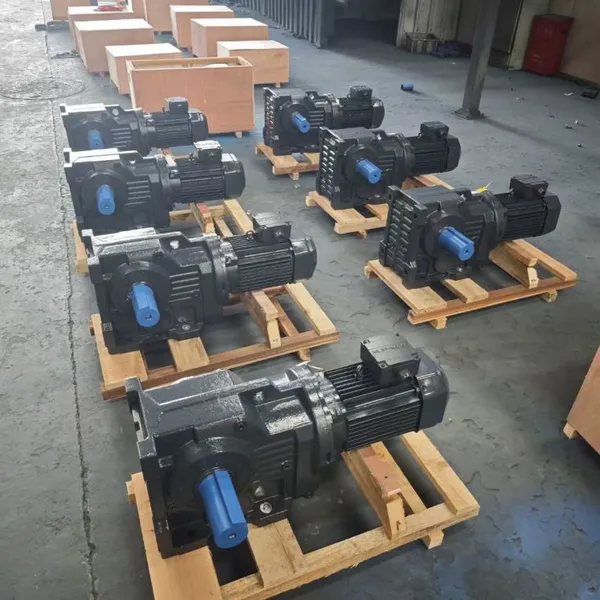
Gearmotor Converter System R/F/K/S Series Coaxial Parallel Shaft Gearbox Spiral Bevel MotorNegotiableMOQ: 1 Set
-
G3 Series Flange Mounted Helical Gear Motor Speed Reducer With Bevel GearboxNegotiableMOQ: 1 Set
-
Industrial Mixer Drive Solution With F Series Parallel Shaft Geared Motors F57 to F97NegotiableMOQ: 1 Set
-
Parallel Shaft Speed Reducer F Series, Models F57 F67 F77 F87 F97, IP55 Protection RatedNegotiableMOQ: 1 Set
-
Parallel Shaft Geared Motor F Series, F57-F97 With C-face Input Flange, 220V/380V OptionsNegotiableMOQ: 1 Set
-
Industrial ZSY630 Cylindrical Gear Reducer For Industrial Transmission EquipmentNegotiableMOQ: 1 Piece