Business License

How to Choose a Gearbox Manufacturer: A Buyer's Guide
The right gearbox manufacturer for your project matches your application needs, quality standards, customization requirements, and delivery schedule. Price matters, but it should not be the only factor. For industrial buyers, that means checking technical capability, manufacturing processes, inspection standards, and export experience before placing an order.
When Chen, a procurement manager at a Southeast Asian cement plant, received three quotes for ball mill reducers, the lowest bid was 18% cheaper than the others. Six months later, that unit developed bearing noise and oil leaks.
The repair stopped production for four days. It erased every dollar he had saved. Chen now starts every supplier evaluation with the same question: "Can this manufacturer prove how the gearbox is built, inspected, and supported after delivery?"
This guide answers that question. You will learn what a gearbox manufacturer actually does, which capabilities matter most, how to compare standard and custom production, and the common mistakes that turn a low purchase price into an expensive problem.
Key Takeaways
A capable gearbox manufacturer designs, machines, heat-treats, assembles, and inspects reducers in-house or under direct control.
Product breadth matters: look for ball mill, cylindrical, planetary, lifting, and custom reducer experience.
Quality signals include material certificates, heat treatment records, contact pattern checks, noise testing, and runout verification.
Custom gearbox manufacturers should offer drawing review, design approval, and flexible batch sizes.
Total cost of ownership beats unit price when uptime, spare parts, and technical support are factored in.
What Does a Gearbox Manufacturer Actually Do?
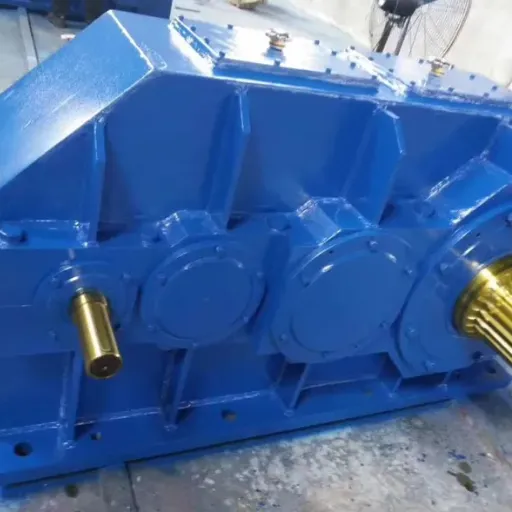
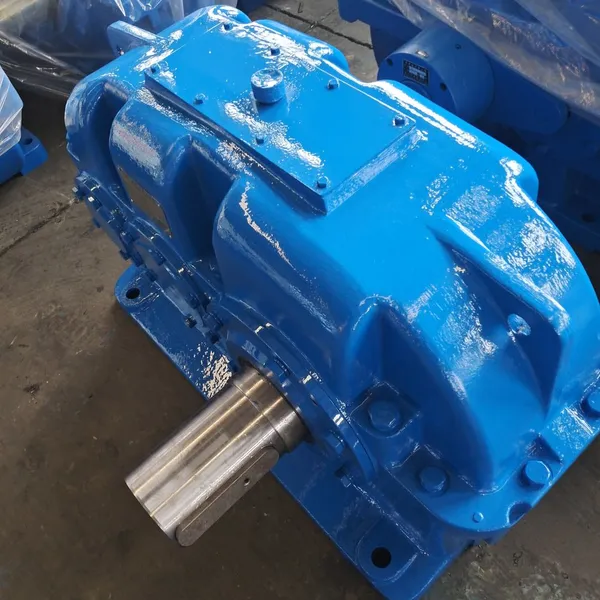
A gearbox manufacturer converts raw materials and engineering specifications into finished speed reduction systems. The work spans design, material procurement, machining, heat treatment, assembly, testing, and after-sales support. A manufacturer that controls these stages directly can respond faster to technical questions. It can also maintain tighter quality than one that outsources every step.
The core process includes:
Design and engineering: Selecting gear topology, ratio, bearing layout, and housing structure for the required torque and duty cycle.
Material preparation: Procuring alloy steels, cast iron housings, bearings, seals, and lubricants that meet specified grades.
Machining: Cutting gear teeth, boring housings, turning shafts, and grinding contact surfaces to drawing tolerances.
Heat treatment: Case hardening, quenching, tempering, or nitriding gears to achieve the required surface hardness and core toughness.
Assembly: Fitting gears, bearings, seals, and lubrication systems according to controlled procedures.
Inspection and testing: Checking dimensions, tooth contact patterns, backlash, noise, vibration, and temperature rise.
Packaging and logistics: Protecting finished units for domestic or export shipment, including documentation and labeling.
Not every company that sells gearboxes is a manufacturer. Some are trading companies that source finished units from third parties. Traders can offer competitive pricing, but they rarely control engineering changes, quality inspections, or delivery schedules. If your project requires customization or reliable after-sales support, working directly with a gear reducer manufacturer is usually the safer choice.
Want to see what a full manufacturing catalog looks like? Browse our gear reducer catalog to compare ball mill, planetary, lifting, and custom reducer series side by side.
Types of Gear Reducers a Manufacturer Should Offer
A broad product range is a strong signal that a gearbox manufacturer understands different industrial applications. Each reducer type solves a different load, speed, and mounting challenge. If a supplier only offers one category, you may end up adapting the wrong technology to your equipment.
Ball Mill and Mining Reducers
Ball mills, raw meal mills, and coal mills in cement and mining plants need heavy-duty reducers that handle continuous high torque and shock loads. Common series include MBY and MBYX for edge-drive arrangements, and JDX for center-drive mills. These reducers use case-hardened alloy steel gears and rigid housings to survive the severe duty cycle.
Cylindrical Gear Reducers
Cylindrical reducers use parallel shafts and are widely used in general industrial drives. Series such as ZQ, JZQ, ZD, ZL, and ZS cover standard speed ratios and mounting positions. They are straightforward to maintain and familiar to most plant maintenance teams.
Hardened Tooth Surface Reducers
For higher loads and longer service life, hardened tooth surface reducers like the ZDY, ZLY, ZSY, and ZFY series deliver better efficiency and durability than medium-hardened designs. Bevel-cylindrical variants such as DBY, DCY, and DCYK handle right-angle power transmission.
Planetary Gear Reducers
Planetary reducers distribute load across multiple planet gears, giving high torque density in a compact footprint. The NGW, NGW-S, NAD, NBD, and NCD series suit space-constrained machinery in mining, material handling, and industrial automation.
Lifting Machinery Reducers
Cranes and hoists require reducers that absorb shock loads and protect both operators and equipment. QY, QY3D, QY4D, QY34D, QY3S, QY34S, and QJY series are engineered for lifting applications where safety and reliability are non-negotiable.
Custom and Non-Standard Reducers
Specialized machinery often needs a reducer that does not match any catalog series. A capable custom gearbox manufacturer can engineer units for rotary kilns, coal mine hoists, winches, belt conveyors, extruders, and concrete mixing plants based on customer drawings and operating conditions.
A mining contractor in Kazakhstan learned this the hard way. The contractor bought standard catalog reducers for a conveyor upgrade, but the mounting footprint and shaft orientation did not match the existing frame. The result was weeks of field modifications, missed commissioning dates, and extra labor costs. A custom reducer engineered from the start would have saved time and money.
How to Evaluate a Gear Reducer Manufacturer
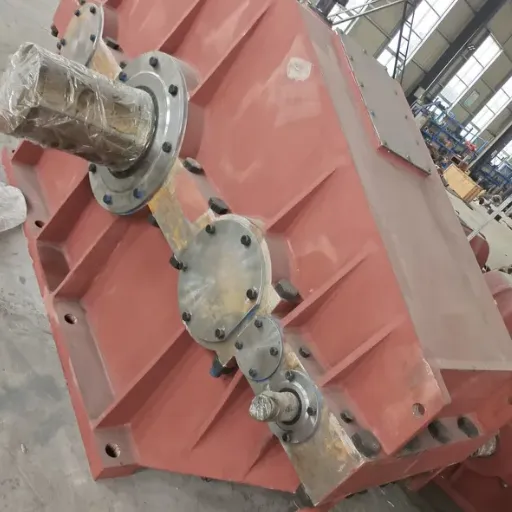
Choosing a gear reducer manufacturer is not only about comparing catalogs. The right partner should demonstrate technical depth, quality discipline, and reliable communication. Use the following framework to evaluate candidates.
1. Review Product Documentation
Ask for specification sheets, dimensional drawings, and material lists for the series you need. Documentation should include rated torque, permissible radial and axial loads, efficiency, oil capacity, and weight. Vague or missing data is a warning sign.
2. Verify Manufacturing Equipment and Processes
A factory visit or virtual tour helps confirm that the manufacturer owns the machines and processes required for your reducer. Look for gear hobbing, shaping, grinding, boring, heat treatment, and inspection equipment. Manufacturers located in industrial clusters such as Taixing City often benefit from deep supplier networks and specialized machining expertise.
3. Ask About Quality Control
Quality should be verifiable, not claimed. Request details about:
Material certificates and incoming inspection
Heat treatment records and hardness testing
Gear contact pattern checks
Noise and vibration testing
Runout and dimensional inspection
Final assembly checks and test reports
4. Check Customization Capability
If your application is non-standard, ask how the manufacturer handles custom engineering. A strong process includes requirement review, preliminary design, drawing approval, prototype or sample production, and final inspection. The ability to produce small batches is also valuable for OEMs and replacement projects.
5. Evaluate Export and Logistics Experience
International buyers need more than a good product. They need export packaging, shipping documentation, customs support, and reliable delivery. Ask which ports the manufacturer uses, which markets they ship to regularly, and how they handle damage claims or delays.
6. Test Responsiveness
Send a technical question before you place an order. The speed and accuracy of the response tells you a lot about how the supplier will communicate during production and after delivery. A gear reducer supplier that answers engineering questions from the factory floor is more valuable than one that simply forwards messages.
Ready to test how a manufacturer responds? Contact our engineers with your torque, speed, and mounting requirements and compare the depth of our technical recommendation.
Key Manufacturing Capabilities to Look For
Technical capability separates a professional gearbox manufacturer from a trading desk or small workshop. When you review a supplier, focus on these core capabilities.
Precision Machining
Gear reducers depend on accurate tooth geometry, shaft alignment, and housing bore tolerances. Look for CNC gear hobbing, gear shaping, gear grinding, and horizontal or vertical machining centers. Precision grinding of hardened tooth surfaces is especially important for high-load reducers because it controls noise, efficiency, and contact stress.
Heat Treatment Control
Heat treatment determines how gears perform under load. Case hardening, induction hardening, nitriding, and tempering each suit different applications. A manufacturer should provide hardness test reports showing surface and core hardness values, typically HRC 58-62 on the tooth surface for heavy-duty units.
Assembly Discipline
Clean assembly environments, correct bearing preload, proper seal installation, and specified lubrication volumes all affect reducer life. Ask whether the manufacturer uses torque-controlled tightening, cleanliness controls, and documented assembly procedures.
Inspection and Testing
Final inspection should cover dimensional checks, tooth contact patterns, backlash measurement, no-load running tests, noise measurement, vibration testing, and temperature monitoring. Some manufacturers also perform overload or endurance testing for critical applications.
Design and R&D Support
A manufacturer with an in-house R&D team can adapt designs faster and solve application problems more effectively. Look for experience with advanced tooth design, material selection, lubrication analysis, and finite-element stress analysis. At Jiangsu Manqi Machinery, our engineering team continuously introduces advanced foreign technologies. We apply these technologies to reducer development and production.
Traceability
Traceability means every reducer can be linked to its batch materials, inspection records, and test data. This is essential for warranty claims, failure analysis, and spare parts matching. Ask how the manufacturer records and stores production data.
For more background on how these capabilities fit into a full manufacturing operation, learn about Jiangsu Manqi Machinery and our facility in Taixing City.
Custom vs. Standard Gearbox Production
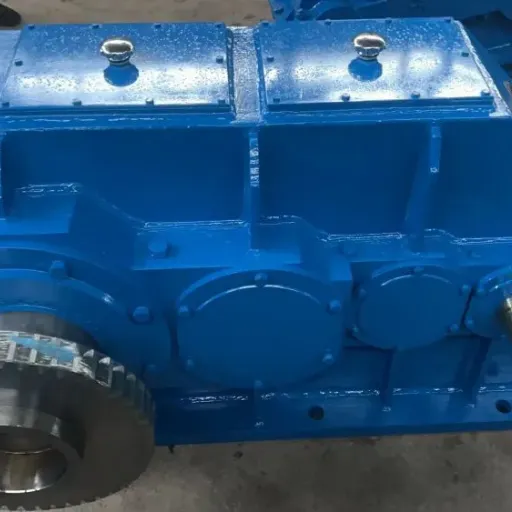
One of the most important decisions when working with a gearbox manufacturer is whether to order a standard catalog unit or request a custom design.
When a Standard Reducer Works
Standard reducers are the right choice when:
Your application matches common torque, speed, and mounting parameters.
Lead time is critical and catalog models are in stock or on short production cycles.
Cost is a major factor and no special features are required.
Spare parts availability matters over the equipment lifetime.
Standard series from a full-line manufacturer give you proven designs, documented performance, and faster delivery. They are ideal for new equipment that follows common industrial layouts.
When You Need a Custom Gearbox
Custom or non-standard reducers are the right choice when:
Footprint, shaft orientation, or center height differs from catalog designs.
Torque or shock-load requirements exceed standard ratings.
You are retrofitting equipment with tight space constraints.
Ambient conditions involve high dust, temperature, humidity, or corrosive exposure.
Your OEM design requires specific input or output shaft configurations.
The custom process usually follows these steps:
Share your requirements, drawings, and operating conditions.
The manufacturer reviews feasibility and proposes a design.
You approve dimensional and interface drawings.
The manufacturer produces the reducer with agreed materials and inspections.
Final testing and documentation are completed before shipment.
Maria, an OEM engineer in Turkey, needed a compact reducer for a new concrete mixer design. The standard unit was too long for her frame. She worked with a custom gearbox manufacturer to shorten the housing and reposition the output shaft. The resulting unit fit the first time, passed all performance tests, and went into production without redesign.
Cost vs. Value
Standard reducers usually have lower unit costs. Custom reducers cost more upfront but can reduce total project cost by eliminating field modifications, shortening commissioning, and improving reliability in demanding conditions. Always compare total cost of ownership, not just the quoted price.
Common Mistakes When Choosing a Manufacturer
Even experienced buyers make mistakes when selecting a gearbox manufacturer. Avoid these common errors.
Choosing on Price Alone
The lowest quote often omits critical details such as bearing brands, seal quality, heat treatment depth, or inspection scope. A reducer that fails early destroys any initial savings. Compare specifications line by line before comparing prices.
Ignoring Service Factor and Application Conditions
A reducer selected only by motor power may be undersized for the real operating load. Always consider service factor, duty cycle, shock load, ambient temperature, and mounting position.
Overlooking After-Sales Support
Installation guidance, commissioning advice, spare parts supply, and warranty support are part of the value. Ask what support the manufacturer provides after delivery and how quickly they respond to technical questions.
Skipping Documentation Review
Drawings, material certificates, test reports, and operation manuals protect your project. A manufacturer that cannot provide clear documentation may also lack consistent process control.
Not Verifying Export Experience
International shipping involves packaging, documentation, Incoterms, and port logistics. A manufacturer with regular export experience understands how to prepare reducers for long transit and customs clearance.
Frequently Asked Questions
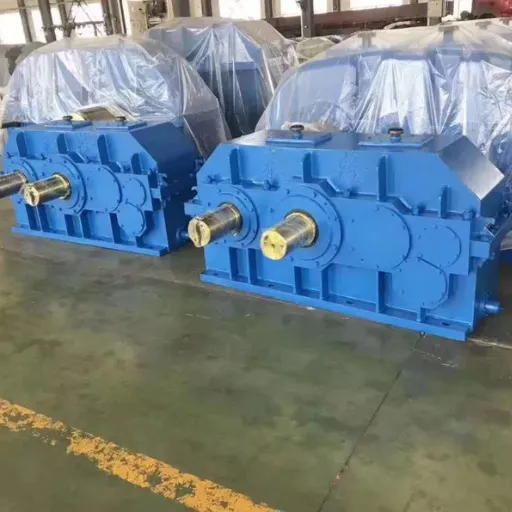
How do I choose a gearbox manufacturer?
Start by matching the manufacturer's product range and technical capabilities to your application. Request documentation, verify quality control processes, evaluate customization capability, and test responsiveness. Choose a supplier that answers engineering questions clearly and provides verifiable inspection data.
What is the difference between a gearbox manufacturer and a gearbox trader?
A gearbox manufacturer designs and produces reducers in-house or under direct production control. A trader sources finished units from third parties. Manufacturers typically offer better technical support, customization, quality control, and traceability.
What certifications should a gear reducer manufacturer have?
Look for ISO 9001 quality management certification at minimum. Depending on your industry, you may also need compliance with ISO, AGMA, DIN, or GB gear standards. Ask for material certificates and test reports specific to your order.
Can a gearbox manufacturer build a reducer to my drawings?
Yes. Many custom gearbox manufacturers accept customer drawings and specifications. The process usually includes feasibility review, design approval, production, and final inspection. Be sure to confirm drawing formats, revision control, and approval timelines upfront.
How long does it take a gearbox manufacturer to deliver a custom reducer?
Delivery time depends on design complexity, material availability, current production load, and inspection requirements. Standard catalog reducers typically ship faster than custom units. Always request a realistic lead time with your quotation.
Why does location matter when choosing a gear reducer manufacturer?
Location affects manufacturing ecosystem, supply chain depth, labor expertise, and logistics. Regions with established reducer industries, such as Taixing City in Jiangsu Province, China, offer deep supplier networks, skilled machining labor, and convenient access to major ports like Shanghai.
Conclusion
Choosing the right gearbox manufacturer means looking beyond the catalog and the quoted price. The best supplier for your project combines engineering depth, manufacturing control, quality discipline, and responsive support. Start by defining your torque, speed, mounting, and environmental requirements. Then evaluate manufacturers on their ability to meet those requirements with verifiable processes and clear documentation.
For demanding applications, a custom gearbox manufacturer can engineer a solution that fits your equipment exactly rather than forcing a standard unit to work. For common applications, a full-line manufacturer with proven standard series delivers faster delivery and lower risk.
At Jiangsu Manqi Machinery, we manufacture ball mill reducers, cylindrical reducers, hardened tooth surface reducers, planetary reducers, lifting machinery reducers, and custom gear reducers from our facility in Taixing City. Our engineering team works with customers worldwide to select or design the right reducer for each application.
Request a quote today, send us your specifications, and our engineers will recommend the right standard or custom gearbox for your project.
Recently Posted
-
Cement Mill Reducer Selection Guide | Manqi Machinery
July 15, 2026A cement mill reducer converts high-speed, low-torque motor power into the low-speed, high-torque rotation a cement grinding mill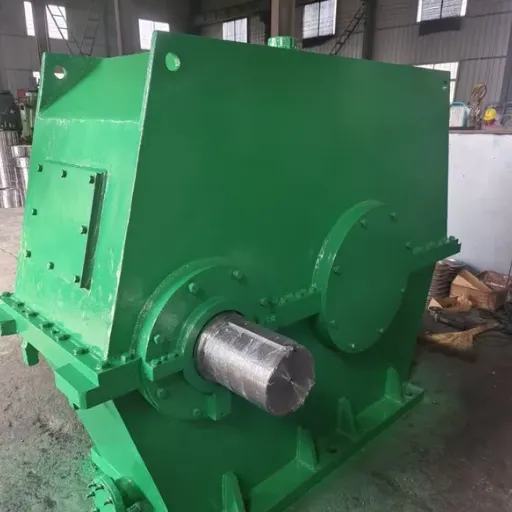 Read More
 -
Ball Mill Gearbox: A Complete Guide to Types, Selection, and Maintenance
July 15, 2026A ball mill gearbox is the heavy-duty speed reducer that converts high-speed motor rotation into the slow, powerful torque a ball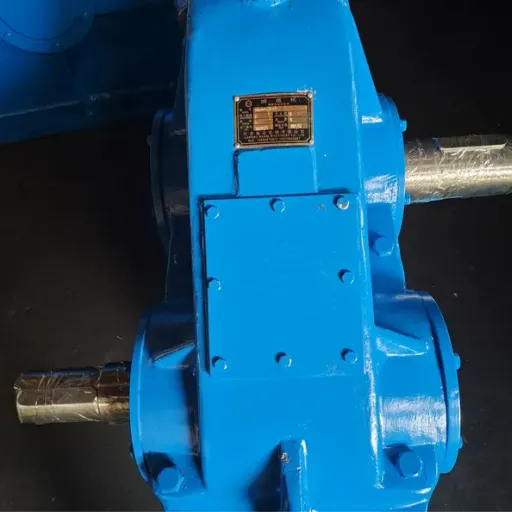 Read More
 -
JDX Mill Reducer: A Complete Guide for Center-Drive Ball Mills
July 15, 2026A JDX mill reducer is the standard drive solution for center-drive ball mills, raw mills, and coal mills in cement plants and mini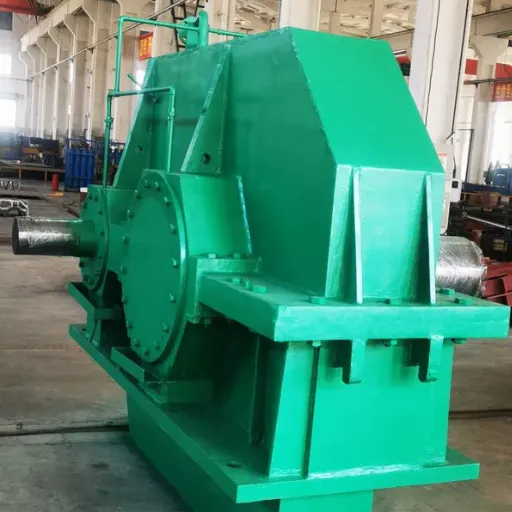 Read More
 -
MBY Ball Mill Reducer: Complete Specifications and Selection Guide
July 15, 2026The MBY ball mill reducer is an edge-drive mill reducer engineered for ball mills, raw meal mills, and coal mills in cement and mi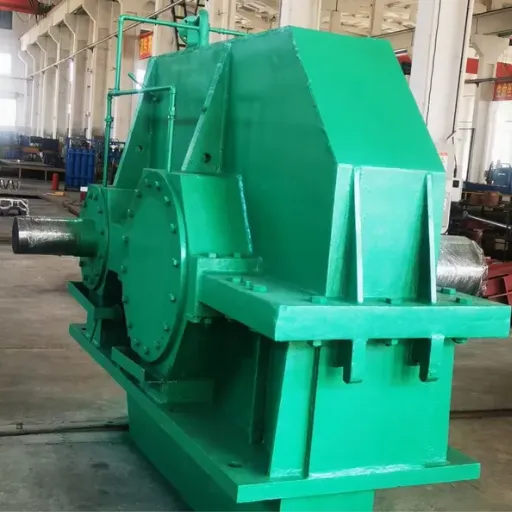 Read More

Contact Us
Recommended Products
-
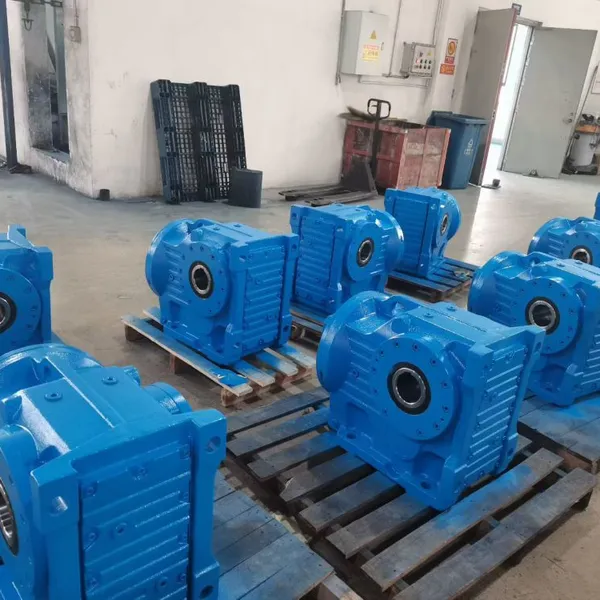
 Kf127 Series Helical-Bevel Gear Motors for Industrial Power TransmissionNegotiableMOQ: 1 Set
 -
H1SH11 Modular Gearbox for Coal Mining Machinery With Cast Steel Housing and Mill Test ReportNegotiableMOQ: 1 Set
-
NGW101 Planetary Gear Reducer With Integral Flange Mount, 40Nm TorqueNegotiableMOQ: 1 Piece
-
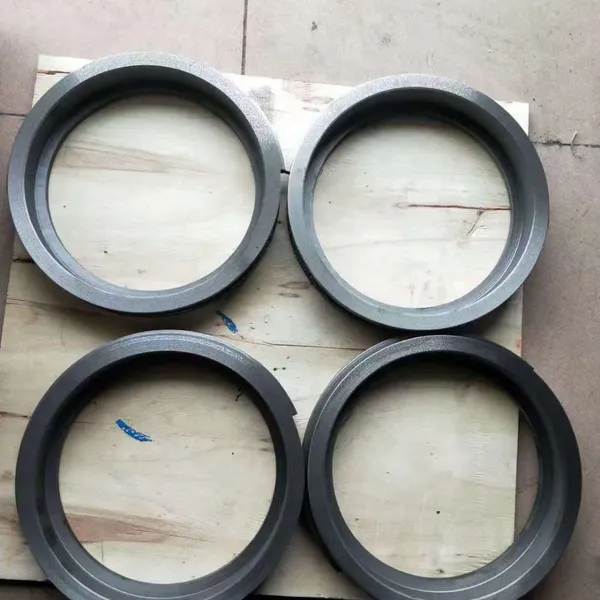
Shanghai Dongfang DFSS400-520/4 Industrial Centrifugal Pump Wear RingNegotiableMOQ: 10 Pieces
-
SLOW300-550 High Hardness Shaft Bushing Spare Parts Matching Shanghai Liancheng Water Pump AccessoriesNegotiableMOQ: 1 Piece
-
Shanghai Kaiquan KQSN300-X13A/390 Original Pump Seal Ring Spare PartNegotiableMOQ: 10 Pieces
-
Shanghai Dongfang IHH100-65-250 Chemical Pump Anti-Corrosion Seal RingNegotiableMOQ: 10 Pieces
-
Shanghai Dongfang DFSS600-24N/6 Wear Spare Ring for DFSS Water PumpNegotiableMOQ: 10 Pieces
-
Coaxial Parallel Shaft Gearbox Systems With Right Angle Spiral Bevel Helical Gear MotorsNegotiableMOQ: 1 Set
-
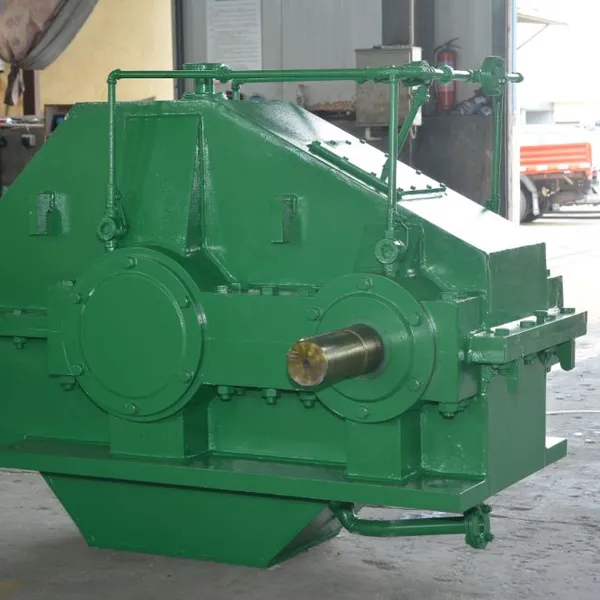
ZS125 Cylindrical Gear Reducer for Industrial Mixing ApplicationsNegotiableMOQ: 100 Sets
-
ZLY224 Cylindrical Gear Reducer With Hardened Steel Gears and 224mm Center DistanceNegotiableMOQ: 1 Piece
-
R87 Compact Inline Gear Motor Low Noise for Conveyor EquipmentNegotiableMOQ: 1 Set
-
NGW93 High Efficiency Low Vibration Planetary Gear Reducer For Machinery DriveNegotiableMOQ: 1 Piece
-
H1SH11 Modular Gear Reducers for CNC Machine IntegrationNegotiableMOQ: 1 Set
-
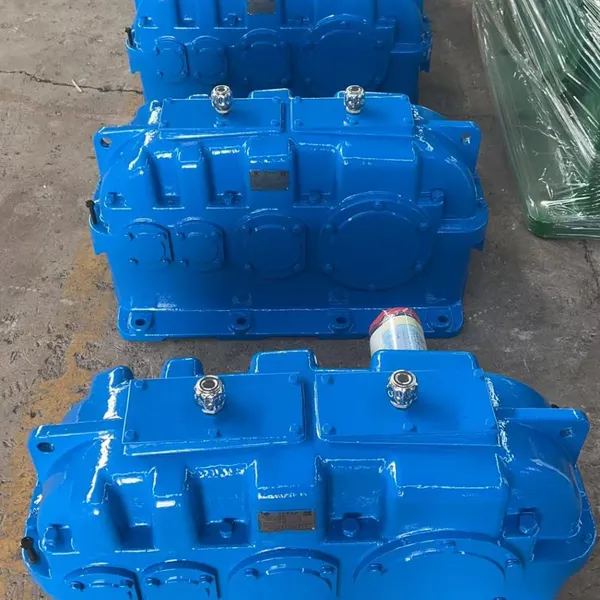
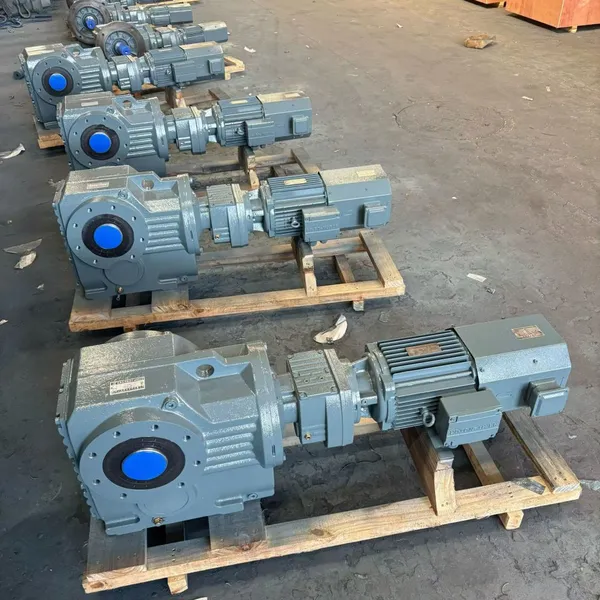
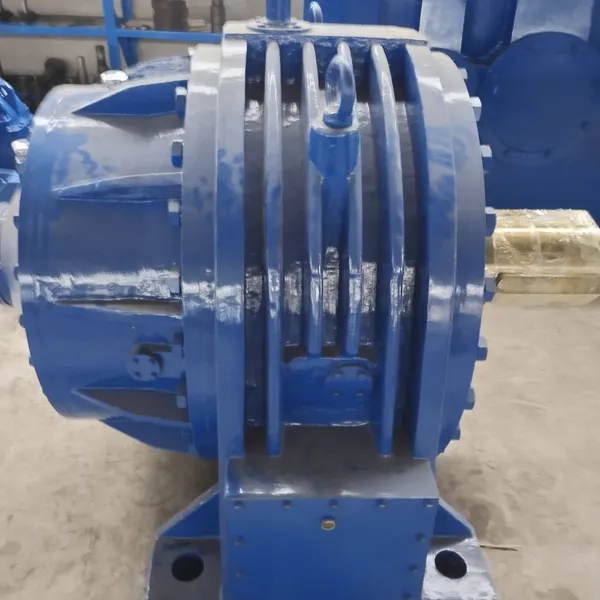
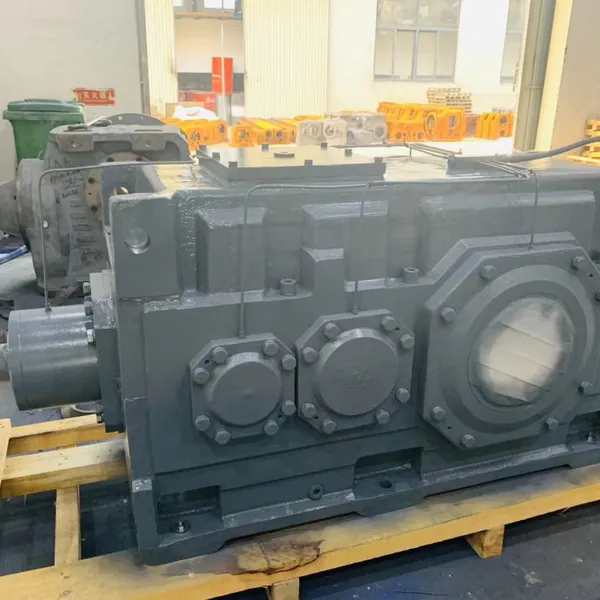
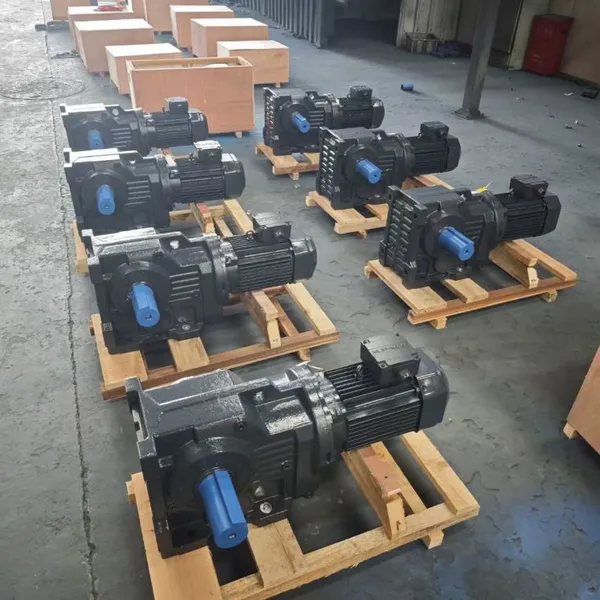
Gearmotor Converter System R/F/K/S Series Coaxial Parallel Shaft Gearbox Spiral Bevel MotorNegotiableMOQ: 1 Set
-
G3 Series Flange Mounted Helical Gear Motor Speed Reducer With Bevel GearboxNegotiableMOQ: 1 Set
-
Industrial Mixer Drive Solution With F Series Parallel Shaft Geared Motors F57 to F97NegotiableMOQ: 1 Set
-
Parallel Shaft Speed Reducer F Series, Models F57 F67 F77 F87 F97, IP55 Protection RatedNegotiableMOQ: 1 Set
-
Parallel Shaft Geared Motor F Series, F57-F97 With C-face Input Flange, 220V/380V OptionsNegotiableMOQ: 1 Set
-
Industrial ZSY630 Cylindrical Gear Reducer For Industrial Transmission EquipmentNegotiableMOQ: 1 Piece