Business License

What to Look for in a Gear Reducer Factory: A Buyer's Guide
A reliable gear reducer factory delivers more than assembled gearboxes. It combines engineering capability, quality systems, and export support to supply reducers that perform for years in demanding industrial environments. The right factory should match your application requirements from material selection through after-sales service.
What separates one gear reducer factory from another? It is rarely a single factor. Buyers who focus only on unit price often miss the engineering review, inspection discipline, and logistics reliability that determine whether a reducer arrives on time and runs without failure. This guide explains what a gear reducer factory actually does, how to evaluate one, and why manufacturing location, quality control, and customization capability matter as much as catalog breadth.
Not sure what specifications your application requires? Contact our engineers for a free technical consultation before you evaluate any industrial gear reducer supplier.
Key Takeaways
A capable gear reducer factory should offer engineering review, material certification, multi-stage inspection, and export logistics, not just assembly.
Taixing City in Jiangsu Province is one of China's major reducer manufacturing clusters, with established supply chains and Shanghai port access.
Standard reducer series like MBY, JDX, ZDY, ZLY, ZSY, NGW, and QY cover most cement, mining, lifting, and industrial applications.
Custom and non-standard reducers require drawing approval, feasibility review, and clear lead time communication before production begins.
Buyers should verify inspection reports, heat treatment documentation, and spare parts availability before placing an order.
What Does a Gear Reducer Factory Actually Do?
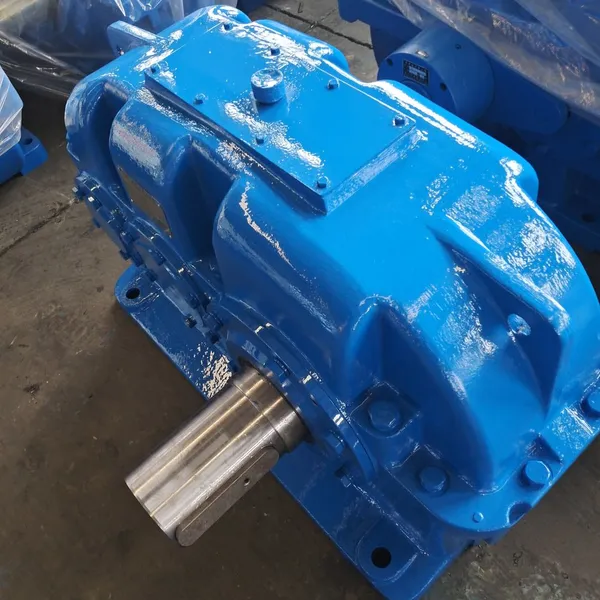
A gear reducer factory transforms raw materials and components into finished speed reduction units. The process is more involved than many buyers realize. Therefore, a factory that treats reducer manufacturing seriously will manage each stage with documented controls.
Design and Engineering
Before any metal is cut, the factory must understand the application. Engineers calculate torque requirements, service factors, reduction ratios, and mounting constraints. For standard catalog reducers, this work is already built into the product series. For custom or non-standard reducers, the factory reviews customer drawings and operating conditions to confirm feasibility.
At Jiangsu Manqi Machinery, our engineering team evaluates each inquiry against the intended duty cycle, ambient environment, and interface requirements. This prevents the common mistake of forcing a standard unit into an application where it will be undersized or misaligned. For applications that cannot use a catalog model, our custom engineering service reviews feasibility and provides approval drawings.
Material Preparation and Heat Treatment
Gear performance depends heavily on material quality and heat treatment. Common materials include alloy steels selected for strength, wear resistance, and machinability. Key processes include:
Forging or casting of blanks
Normalizing and rough machining
Case hardening or through hardening to specified hardness ranges
Precision grinding or shaving of tooth profiles
Final inspection of contact patterns and runout
For heavy-duty reducers, hardened tooth surface gears in the HRC 58-62 range are typical. The heat treatment process directly affects gear life under shock loads and continuous duty.
Machining and Assembly
Modern reducer factories use CNC gear cutting, grinding centers, and coordinate measuring machines to hold tight tolerances. Assembly includes bearing installation, shaft alignment, lubrication fill, and sealing. A disciplined factory will check backlash, contact pattern, noise level, and vibration before a reducer leaves the line.
To understand what separates factories in practice, it helps to look at where and how they operate.
Engineering Note
Always ask a gear reducer factory for material certificates and inspection records. These documents separate a documented manufacturing process from informal assembly.
Why Manufacturing Location Matters for Gear Reducer Quality
Not all manufacturing regions offer the same supplier ecosystem, labor skill level, or logistics access. For gear reducers, location affects both cost and capability.
Taixing: China's Gear Reducer Manufacturing Hub
Taixing City in Jiangsu Province is widely recognized as one of China's established centers for gear reducer production. As a result, any China gear reducer factory based in this region benefits from decades of supplier development. The area has grown with specialized foundries, heat treatment providers, machining shops, and component suppliers all located nearby.
This cluster effect matters for buyers. A gear reducer factory in Taixing can source qualified forgings, bearings, seals, and lubricants without long supply chains. That translates into more stable lead times and more consistent quality.
Jiangsu Manqi Machinery operates from Chengdong Industrial Park in Taixing. Our location gives us direct access to this supplier network while maintaining convenient shipping routes to Shanghai port for export orders. For buyers seeking a Taixing gear reducer manufacturer, this cluster offers both technical depth and logistics efficiency.
Proximity to Port and Export Infrastructure
For international buyers, logistics reliability is a core concern. Factories located far inland may face longer transit times and more complex customs coordination. A factory within reasonable distance of a major port like Shanghai can consolidate shipments, manage export documentation, and respond faster to delivery questions.
Once you understand the importance of location, the next step is to evaluate the factory itself.
How to Evaluate a Gear Reducer Factory Before Ordering
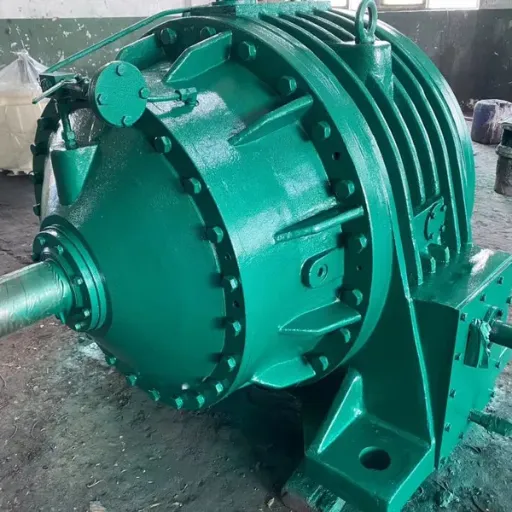
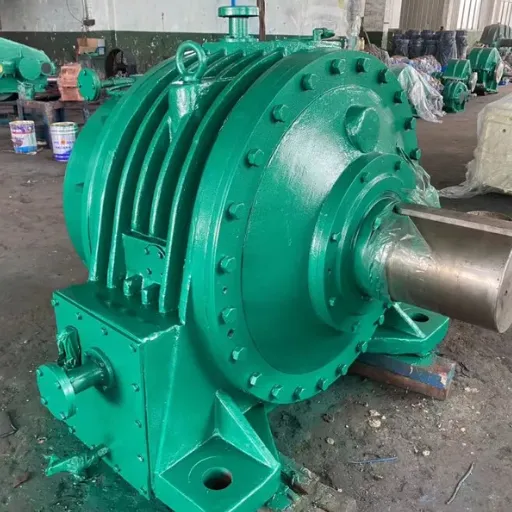
Selecting a gear reducer factory requires more than comparing price lists. Buyers should assess technical capability, quality discipline, and service responsiveness. Therefore, the following framework helps you evaluate any industrial gear reducer supplier consistently.
Review the Product Range
A factory with a broad catalog can often serve multiple applications without forcing buyers to manage multiple suppliers. For example, our gear reducer catalog covers the main industrial categories that any full-service China gear reducer factory should offer:
Ball mill and mining reducers: MBY, MBYX, JDX, ZD series
Cylindrical gear reducers: ZQ, JZQ, ZD, ZL, ZS series
Hardened tooth surface reducers: ZDY, ZLY, ZSY, ZFY, DBY, DCY series
Planetary gear reducers: NGW, NGW-S, NAD, NBD, NCD series
Lifting machinery reducers: QY3D, QY4D, QY34D, QY3S, QY34S, QJY series
Cycloidal reducers: BWY, BWEY, BLY, BLEY, XWED, XLED series
A wide range suggests mature design libraries and production flexibility. It also simplifies spare parts sourcing over the long term.
Ask About Custom Engineering Capability
Many industrial applications require non-standard shaft arrangements, unique mounting footprints, or special environmental protection. A factory that only assembles catalog models may not be able to support these requirements.
When evaluating a custom gear reducer factory, ask:
Do you accept customer drawings for non-standard reducers?
Who reviews feasibility and proposes design changes?
Do you provide approval drawings before production?
What is the typical lead time for custom units?
Can you produce single units or small batches?
At Jiangsu Manqi Machinery, our R&D team accepts customer specifications and provides engineering proposals with approved drawings before manufacturing begins. This reduces the risk of dimensional mismatches or interface problems at installation.
Want to see how custom reducer engineering works? Contact our engineers with your drawings and operating conditions for a feasibility review.
Verify Quality Control Processes
Quality control is where many factories diverge. A thorough quality system follows recognized AGMA and ISO principles for gear manufacturing and inspection. It includes:
Incoming material inspection and certification
In-process dimensional checks during machining
Heat treatment hardness verification
Gear contact pattern inspection
Noise and vibration testing at rated speed
Runout and backlash measurement
Final visual and packaging inspection
Ask potential suppliers to describe each stage. Ask whether they welcome third-party inspection or customer factory visits. A transparent factory will answer these questions directly.
Check Export Experience and Documentation
International buyers need more than the product itself. Confirm that the factory can provide:
Commercial invoices and packing lists
Certificates of origin when required
Material and test reports
Export-grade packaging for ocean or air freight
Tracking and customs support
Factories with regular export experience understand how to prepare documentation that clears customs smoothly and protects products during transit.
Standard Catalog vs. Custom Reducers: What a Factory Should Offer
A full-service gear reducer factory should support both standard catalog orders and custom engineering projects. Understanding when each makes sense helps buyers choose the right path.
When Standard Catalog Reducers Are the Right Choice
If your application matches a catalog series, standard reducers are usually the most cost-effective choice. They offer shorter lead times, lower cost, and proven performance. Common scenarios include:
New equipment that follows standard motor and mounting conventions
Replacement of an existing reducer with the same model designation
Applications with common speed ratios and torque requirements
Projects with tight budgets and schedules
For example, an MBY400 edge-drive mill reducer is a standard choice for many cement ball mills. A ZDY200 reducer fits many general industrial drives. These designs have been produced in large quantities, so spare parts and technical data are readily available.
When Custom Reducers Become Necessary
Custom or non-standard reducers are appropriate when:
The mounting footprint differs from catalog dimensions
Shaft orientation, center height, or bolt pattern is unique
Torque or service factor requirements exceed standard ratings
The operating environment involves high dust, temperature, or humidity
The reducer must integrate with legacy equipment
Mini-Story: The Retrofit That Required a Custom Footprint
A cement plant in Southeast Asia needed to replace a 25-year-old mill reducer. The original manufacturer had discontinued the model, and the foundation could not accommodate a modern standard unit without expensive civil work.
The plant's maintenance manager sent the existing reducer's dimensions and mounting drawings to Jiangsu Manqi Machinery. Our engineers designed a custom reducer that matched the original bolt pattern and shaft center height, fit the existing foundation, and met the new torque rating.
The unit was installed without concrete modifications. The plant avoided a two-week shutdown that a full foundation rebuild would have required.
Key Quality Indicators to Look for in a Gear Reducer Factory
Quality is not accidental. It results from disciplined processes that buyers can verify before committing to an order. Beyond catalog breadth and customization capability, these quality indicators reveal whether a factory can deliver reliable reducers.
Material Traceability and Certification
Material traceability separates a professional gear reducer factory from an informal assembler. Ask where the steel comes from and whether material certificates are available. For critical applications, the factory should be able to trace heat numbers and provide chemical composition and mechanical property reports.
Heat Treatment Capability
Heat treatment determines how gears perform under load. A factory should control its hardening process closely and verify results with hardness testing. Case-hardened gears for heavy-duty reducers typically achieve HRC 58-62 at the tooth surface.
Precision Machining and Gear Grinding
Modern reducer factories use CNC hobbing, shaping, and grinding equipment to produce accurate tooth profiles. Precision grinding improves mesh quality, reduces noise, and extends service life. Ask about the factory's machining equipment and tolerance capabilities.
Inspection and Testing Records
Request samples of inspection reports for the reducer series you are considering. Useful records include:
Dimensional inspection sheets
Hardness test results
Gear contact pattern photos or records
Noise and vibration test data
Runout measurement reports
Factories that maintain these records demonstrate process control and accountability.
Common Mistakes Buyers Make When Choosing a Gear Reducer Factory
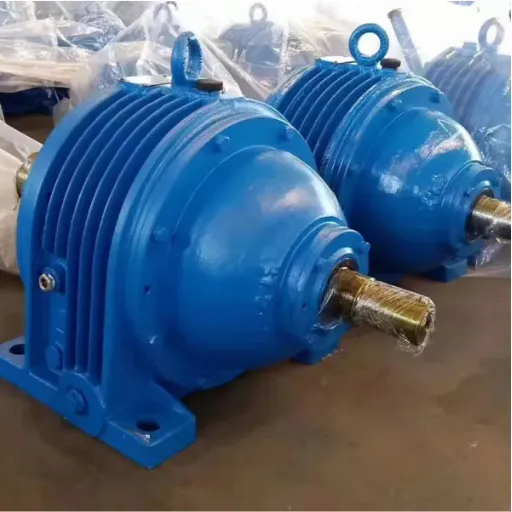
Even experienced procurement teams can make costly errors when evaluating suppliers. Avoid these common mistakes.
Choosing Based on Price Alone
The lowest unit price often hides risks: lower-grade materials, skipped inspection steps, weak packaging, or poor after-sales support. Total cost of ownership includes purchase price, installation, maintenance, downtime, and replacement.
Ignoring Application Engineering Support
A factory that simply quotes a model number without asking about your application may not understand whether the reducer is suitable. Look for suppliers who ask about torque, speed, duty cycle, and environment before recommending a unit.
Overlooking Spare Parts Availability
Reducers require seals, bearings, and sometimes gears over a 10-20 year service life. Confirm that the factory can supply spare parts for the series you order. A factory with a broad standard catalog and long production history is more likely to support your equipment long term.
Not Clarifying Warranty and After-Sales Terms
Before ordering, understand what the warranty covers, how claims are handled, and what technical support is available for installation and commissioning. Clear terms reduce disputes later.
What to Expect When Visiting or Auditing a Gear Reducer Factory
To verify that a factory avoids these mistakes, many buyers schedule a visit or virtual audit before placing a first order.
A factory visit is one of the most effective ways to verify claims. Whether in person or virtual, focus on these areas.
Production Floor Organization
Look for clean, organized work areas with clear material flow. Disorganized floors often signal weak process control.
Equipment Condition and Capability
Note the types and ages of machining centers, heat treatment furnaces, and inspection equipment. Modern, well-maintained equipment supports consistent quality.
Inspection and Test Areas
A dedicated inspection area with calibrated measuring instruments indicates that quality checks are taken seriously. Ask to see recent test records.
Engineering and Documentation
Review whether the factory maintains drawings, specifications, and inspection records in an organized system. Good documentation supports repeatability and traceability.
Why Jiangsu Manqi Machinery Stands Out as a Gear Reducer Factory
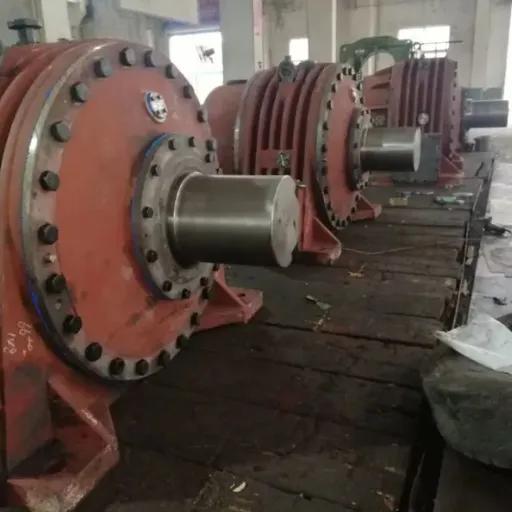
Located in Taixing City, Jiangsu Manqi Machinery combines the advantages of a major reducer manufacturing cluster with direct engineering and export support. As a gear reducer manufacturer serving cement, mining, lifting, and material handling industries, we focus on application-matched solutions rather than catalog-only sales.
Broad Product Range
We manufacture ball mill reducers, cylindrical gear reducers, hardened tooth surface reducers, planetary reducers, lifting machinery reducers, motorized pulleys, and cycloidal reducers. This range allows customers to source multiple drive types from one supplier.
Custom Engineering and R&D
Our professional R&D team reviews customer drawings and operating conditions for non-standard reducers. We provide design proposals and approval drawings before production, ensuring the final unit matches your installation and performance requirements.
Quality-Focused Manufacturing
Production incorporates precision machining, heat treatment, gear grinding, and multi-stage inspection. Each reducer undergoes checks for dimensions, hardness, contact pattern, noise, vibration, and runout before shipment.
Export Experience
We regularly ship through Shanghai port to customers in Eastern Europe, Southeast Asia, Africa, South Asia, and other regions. Our export process includes proper packaging, documentation, and logistics coordination.
Customer-First Service
Guided by our tenet "Customer Priority, Superior Quality and Thoughtful Service," we support buyers from inquiry and selection through customization, production, and after-sales technical consultation.
Mini-Story: The Distributor Who Needed Consistent Supply
An industrial distributor in Eastern Europe had been sourcing reducers from three different suppliers to cover ball mill, crane, and general industrial applications. Quality was inconsistent, and lead times varied widely.
After switching to Jiangsu Manqi Machinery, the distributor consolidated sourcing across MBY mill reducers, QY crane reducers, and ZDY cylindrical reducers. Standardized documentation, stable lead times, and responsive technical support reduced their procurement workload.
Customer complaints dropped, and the distributor was able to quote more confidently on projects that required consistent delivery.
Frequently Asked Questions About Gear Reducer Factories
What should I ask a gear reducer factory before ordering?
Ask about their product range, engineering review process, quality inspection stages, material certifications, lead times, warranty terms, spare parts availability, and export experience. These questions reveal whether the factory is a transactional assembler or a capable manufacturing partner.
Where are most gear reducers manufactured in China?
Taixing City in Jiangsu Province is one of the largest and most established gear reducer manufacturing clusters in China. The region offers deep supplier networks, skilled labor, and access to Shanghai port for export.
Can a gear reducer factory produce custom reducers?
Yes. A capable factory accepts customer drawings and specifications, reviews feasibility, provides approval drawings, and manufactures non-standard reducers for unique applications. Lead times and costs are typically higher than for catalog models.
How do I know if a gear reducer factory has good quality control?
Look for documented inspection stages, material certificates, heat treatment records, gear contact pattern checks, noise and vibration testing, and willingness to allow third-party or customer inspection.
What is the typical lead time from a gear reducer factory?
Standard catalog reducers usually ship faster than custom units. Lead time depends on model complexity, current production schedule, and order quantity. A reliable factory will provide a clear estimated delivery date with each quotation.
Are Chinese gear reducer factories reliable for export orders?
Many Chinese reducer factories, especially those in established clusters like Taixing, have decades of export experience. Reliability depends on the individual factory's quality systems, communication practices, and documentation discipline. Always verify capabilities before placing large orders.
Conclusion
Choosing the right supplier means looking beyond price to assess engineering capability, quality systems, product range, and export support. A strong manufacturing partner will help you select or design the right reducer, document its manufacturing process, and stand behind the product after delivery.
For buyers in cement, mining, lifting, and general industrial applications, working with a factory in an established manufacturing cluster like Taixing offers supply chain stability and technical depth. Standard series such as MBY, JDX, ZDY, ZLY, ZSY, NGW, and QY cover most common needs, while custom engineering handles non-standard footprints and load requirements.
At Jiangsu Manqi Machinery, we combine a broad reducer catalog with custom engineering, structured quality control, and export logistics support. Whether you need a standard catalog reducer or a custom-engineered unit, our team is ready to review your requirements and recommend the right solution.
Ready to source from a reliable gear reducer factory? Contact our engineering team with your specifications, and we will provide a technical recommendation and quotation.
Recently Posted
-
Cement Mill Reducer Selection Guide | Manqi Machinery
July 15, 2026A cement mill reducer converts high-speed, low-torque motor power into the low-speed, high-torque rotation a cement grinding mill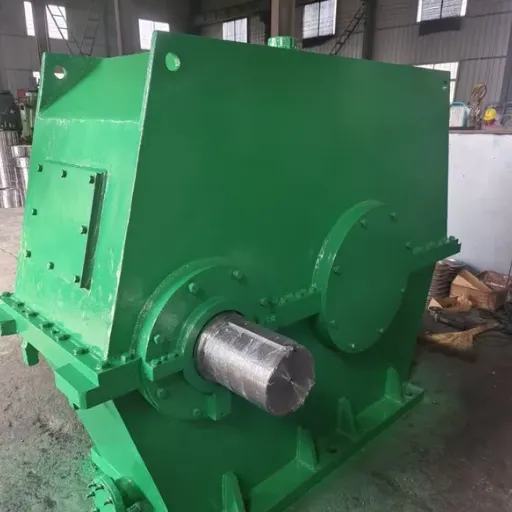 Read More
 -
Ball Mill Gearbox: A Complete Guide to Types, Selection, and Maintenance
July 15, 2026A ball mill gearbox is the heavy-duty speed reducer that converts high-speed motor rotation into the slow, powerful torque a ball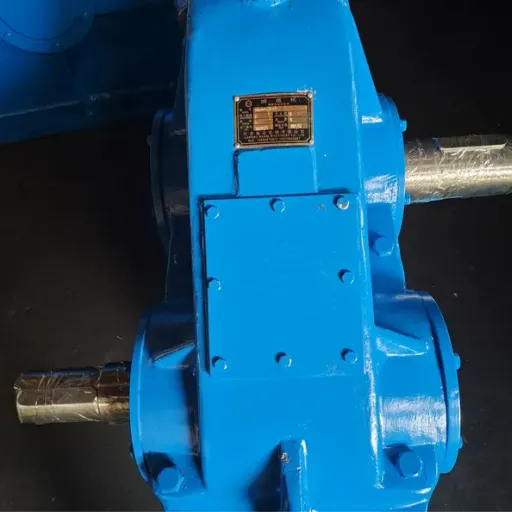 Read More
 -
JDX Mill Reducer: A Complete Guide for Center-Drive Ball Mills
July 15, 2026A JDX mill reducer is the standard drive solution for center-drive ball mills, raw mills, and coal mills in cement plants and mini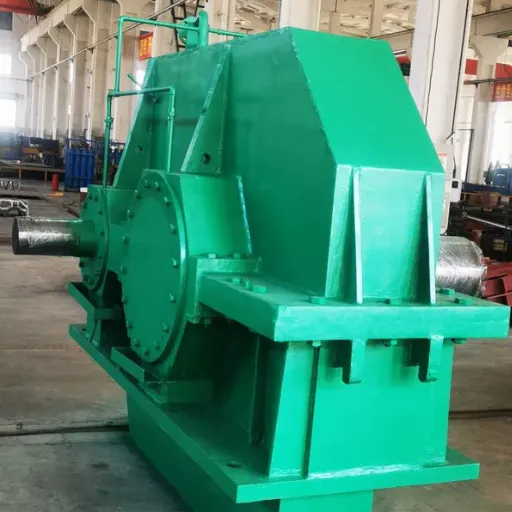 Read More
 -
MBY Ball Mill Reducer: Complete Specifications and Selection Guide
July 15, 2026The MBY ball mill reducer is an edge-drive mill reducer engineered for ball mills, raw meal mills, and coal mills in cement and mi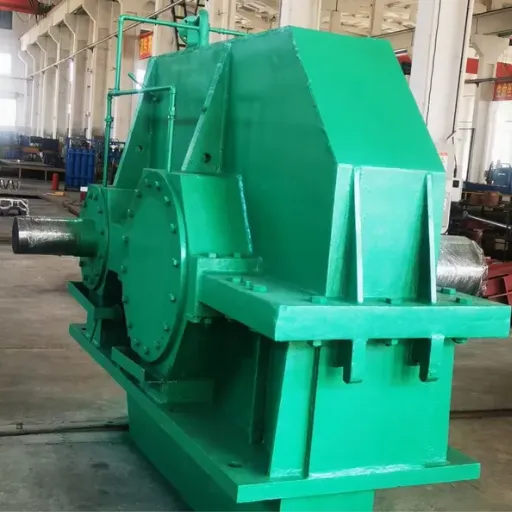 Read More

Contact Us
Recommended Products
-
 Kf127 Series Helical-Bevel Gear Motors for Industrial Power TransmissionNegotiableMOQ: 1 Set
 -
H1SH11 Modular Gearbox for Coal Mining Machinery With Cast Steel Housing and Mill Test ReportNegotiableMOQ: 1 Set
-
NGW101 Planetary Gear Reducer With Integral Flange Mount, 40Nm TorqueNegotiableMOQ: 1 Piece
-
Shanghai Dongfang DFSS400-520/4 Industrial Centrifugal Pump Wear RingNegotiableMOQ: 10 Pieces
-
SLOW300-550 High Hardness Shaft Bushing Spare Parts Matching Shanghai Liancheng Water Pump AccessoriesNegotiableMOQ: 1 Piece
-
Shanghai Kaiquan KQSN300-X13A/390 Original Pump Seal Ring Spare PartNegotiableMOQ: 10 Pieces
-
Shanghai Dongfang IHH100-65-250 Chemical Pump Anti-Corrosion Seal RingNegotiableMOQ: 10 Pieces
-
Shanghai Dongfang DFSS600-24N/6 Wear Spare Ring for DFSS Water PumpNegotiableMOQ: 10 Pieces
-
Coaxial Parallel Shaft Gearbox Systems With Right Angle Spiral Bevel Helical Gear MotorsNegotiableMOQ: 1 Set
-
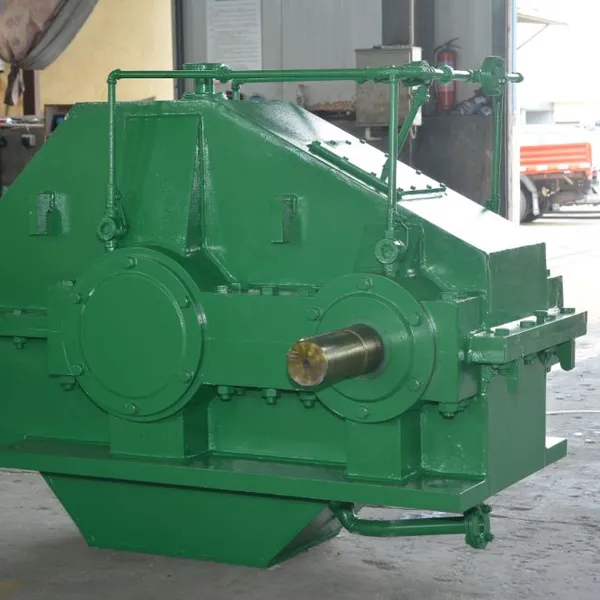
ZS125 Cylindrical Gear Reducer for Industrial Mixing ApplicationsNegotiableMOQ: 100 Sets
-
ZLY224 Cylindrical Gear Reducer With Hardened Steel Gears and 224mm Center DistanceNegotiableMOQ: 1 Piece
-
R87 Compact Inline Gear Motor Low Noise for Conveyor EquipmentNegotiableMOQ: 1 Set
-
NGW93 High Efficiency Low Vibration Planetary Gear Reducer For Machinery DriveNegotiableMOQ: 1 Piece
-
H1SH11 Modular Gear Reducers for CNC Machine IntegrationNegotiableMOQ: 1 Set
-
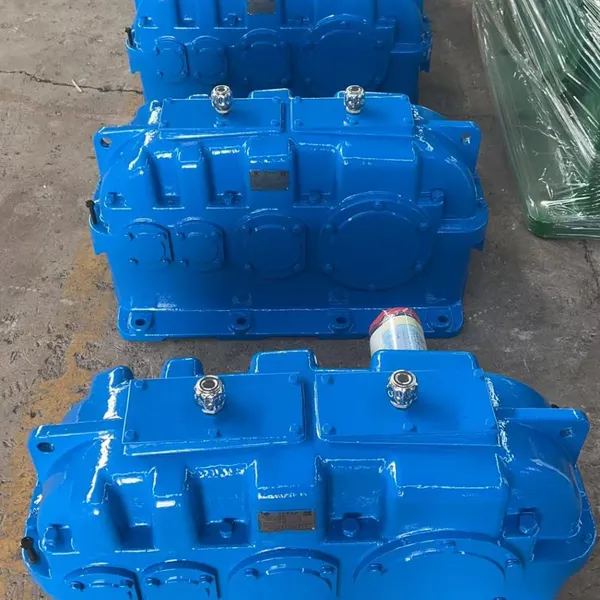
Gearmotor Converter System R/F/K/S Series Coaxial Parallel Shaft Gearbox Spiral Bevel MotorNegotiableMOQ: 1 Set
-
G3 Series Flange Mounted Helical Gear Motor Speed Reducer With Bevel GearboxNegotiableMOQ: 1 Set
-
Industrial Mixer Drive Solution With F Series Parallel Shaft Geared Motors F57 to F97NegotiableMOQ: 1 Set
-
Parallel Shaft Speed Reducer F Series, Models F57 F67 F77 F87 F97, IP55 Protection RatedNegotiableMOQ: 1 Set
-
Parallel Shaft Geared Motor F Series, F57-F97 With C-face Input Flange, 220V/380V OptionsNegotiableMOQ: 1 Set
-
Industrial ZSY630 Cylindrical Gear Reducer For Industrial Transmission EquipmentNegotiableMOQ: 1 Piece