Business License

How to Choose a Reducer Gearbox Manufacturer: A 2026 Buyer's Guide
A reliable reducer gearbox manufacturer delivers consistent quality, accurate specifications, responsive engineering support, and transparent production practices, not just the lowest unit price. For industrial buyers, the right manufacturer protects production uptime, simplifies spare parts sourcing, and reduces total cost of ownership over the equipment life.
What if the quotation that saves you 15% today costs you 300% more within two years? Many procurement teams have learned that reducer gearboxes are not interchangeable commodities. A housing that looks identical in a catalog photo can hide differences in bearing size, tooth hardness, heat treatment depth, and alignment tolerance that determine whether the unit runs for a decade or fails within months.
This guide explains what a reducer gearbox manufacturer does, which capabilities separate capable suppliers from risky ones, and how to evaluate manufacturers before you place an order. You will learn the right questions to ask, the documentation to request, and the red flags that signal trouble.
Key Takeaways
A reducer gearbox manufacturer should control engineering, machining, heat treatment, assembly, and inspection, not just final assembly.
Evaluate seven core areas: engineering capability, manufacturing control, product range, quality inspection, customization, logistics, and after-sales support.
Custom reducer gearboxes are the right choice when footprint, shaft arrangement, load profile, or ambient conditions differ from standard designs.
Always request material certificates, inspection reports, and dimensional approval drawings before production begins.
Jiangsu Manqi Machinery manufactures MBY, JDX, ZDY/ZLY/ZSY, NGW, QY, and custom reducer gearboxes from Taixing City with export experience across Eastern Europe, Southeast Asia, Africa, and South Asia.
Need help selecting a supplier? Contact our engineering team with your torque, speed, and mounting requirements for a technical recommendation.
What Does a Reducer Gearbox Manufacturer Actually Produce?
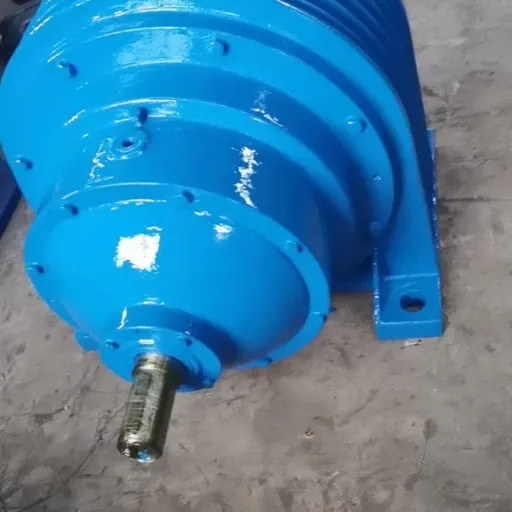
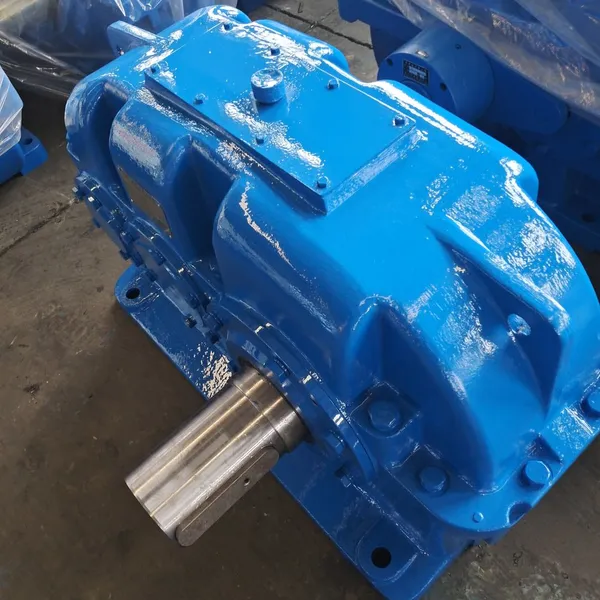
A reducer gearbox manufacturer designs, machines, assembles, tests, and ships enclosed gear drives that convert high-speed, low-torque motor power into lower-speed, higher-torque output. These units go by many names, gear reducers, speed reducers, gearboxes, and reducer gearboxes, but the function is the same: transmit power efficiently while matching the speed and torque requirements of driven equipment.
Core Product Categories
Most industrial reducer gearbox manufacturers produce one or more of these categories:
Cylindrical gear reducers: Parallel-shaft designs such as ZQ, JZQ, ZD, ZL, and ZS series for general industrial drives.
Hardened tooth surface reducers: ZDY, ZLY, ZSY, ZFY, DBY, and DCY series built for higher load capacity and longer service life.
Planetary gear reducers: NGW, NGW-S, NAD, NBD, and NCD series that deliver high torque density in compact envelopes.
Ball mill and mining reducers: MBY, MBYX, JDX, and ZD series engineered for heavy grinding and material processing.
Lifting machinery reducers: QY and QJY series designed for cranes, hoists, and material handling safety.
Cycloidal reducers: BWY, BLY, XWED, and XLED series for high reduction ratios in conveyors, mixers, and packaging machinery.
Motorized pulleys: Oil-cooled and external-gear drum motors for belt conveyor systems.
A manufacturer with a broad product range can recommend the right topology for your application rather than forcing you into the only series it produces. You can explore the full range in our gear reducer catalog.
The Manufacturing Process Behind the Product
A fully capable reducer gearbox manufacturer controls critical processes in-house:
Engineering and design based on application requirements.
Material selection and certification for gears, shafts, and housings.
Precision machining of housings, gear blanks, and shafts.
Heat treatment to achieve specified surface and core hardness.
Gear finishing by grinding, shaving, or honing.
Assembly with proper bearing preload, lubrication, and sealing.
Inspection and testing before release.
Trading companies and small workshops may quote attractive prices because they skip some of these steps or outsource them without visibility. The result is inconsistent quality and limited technical support when problems arise.
Seven Factors to Evaluate in a Reducer Gearbox Manufacturer
Industrial buyers should treat reducer gearbox selection as a supplier qualification exercise, not just a price comparison. Here are the seven factors that matter most.
1. Engineering and Design Capability
Before any metal is cut, the engineering team should review your input speed, required output speed or ratio, output torque, service factor, mounting position, and environmental conditions. They should select the right gear type and size the housing, shafts, and bearings accordingly.
For custom applications, the manufacturer should produce dimensional drawings for your approval before manufacturing begins. This step prevents mismatches in shaft orientation, center height, bolt pattern, and coupling interface.
At Jiangsu Manqi Machinery, our R&D team applies advanced foreign technologies to reducer development across ball mill, planetary, cylindrical, hardened tooth surface, lifting, and cycloidal product lines. This engineering-first approach helps match the reducer to real operating conditions rather than catalog ratings alone.
2. Manufacturing and Heat Treatment Control
Gear quality starts with material and machining. Ask whether the manufacturer controls these processes directly or subcontracts them. Key capabilities include:
Gear cutting by hobbing or shaping.
Precision grinding or shaving of tooth profiles.
Case hardening, induction hardening, or nitriding to reach specified surface hardness.
Housing machining to maintain bearing bore alignment and sealing surfaces.
Heat treatment is especially critical. A hardened tooth surface reducer with HRC 58-62 tooth hardness will handle higher loads and longer cycles than a medium-hardened unit. Manufacturers that control heat treatment in-house maintain better consistency than those that outsource this step without oversight.
3. Product Range and Application Experience
A manufacturer that has supplied reducer gearboxes to your industry understands the real-world loads, duty cycles, and failure modes you face. Ask for reference applications in cement, mining, lifting, material handling, or your specific sector.
For example, a reducer gearbox manufacturer experienced in cement plants understands that ball mill reducers must handle continuous duty, shock loads from grinding media, and thermal stress. A manufacturer focused only on light conveyor drives may not have the engineering depth for heavy industrial applications.
4. Quality Inspection and Documentation
A trustworthy reducer gearbox manufacturer should provide clear documentation. Ask potential suppliers to explain their quality control process and provide:
Material certificates for alloy steel castings and forgings.
Dimensional inspection reports for housing, shafts, and gears.
Gear contact pattern checks to confirm proper mesh.
Noise and vibration testing under no-load running conditions.
Runout and temperature checks before final approval.
Oil fill, sealing, and paint inspection records.
This structured process separates an industrial-grade reducer gearbox manufacturer from a small workshop that assembles parts without validation.
5. Customization Capability
Standard catalog reducer gearboxes work when your application matches common dimensions, ratios, and load profiles. When it does not, you need a manufacturer that can engineer a custom unit. Common reasons for customization include:
Non-standard shaft length, diameter, or orientation.
Unique center height or bolt pattern for retrofit.
Higher torque or shock load than catalog ratings.
Special ambient conditions such as dust, moisture, or high temperature.
Integration with a specific motor, brake, or coupling.
At Manqi Machinery, we accept customer drawings and specifications, review feasibility, and provide approval drawings before production. This process protects both parties and ensures the reducer gearbox fits your equipment.
6. Lead Time and Export Logistics
Ask about typical lead times for standard and custom units. Standard catalog reducer gearboxes usually ship faster than custom designs, but the exact timeline depends on model, quantity, and current production load.
For international buyers, export logistics matter. A manufacturer with experience shipping through Shanghai port can provide proper export packaging, shipping documentation, and customs support. This reduces delays and damage risk during transit.
You can learn more about our location and export capability on our company profile page.
7. After-Sales Support and Spare Parts
Even a well-specified reducer gearbox may need technical support during installation, commissioning, or operation. A reliable manufacturer provides:
Technical consultation for installation and alignment.
Spare parts availability for standard series.
Troubleshooting guidance for operational issues.
Warranty support according to product terms.
Before ordering, confirm that spare parts will be available five or ten years from now. A manufacturer with a broad, standardized product range can usually support you longer than one that builds one-off designs with no documentation.
Standard Catalog vs. Custom Reducer Gearboxes
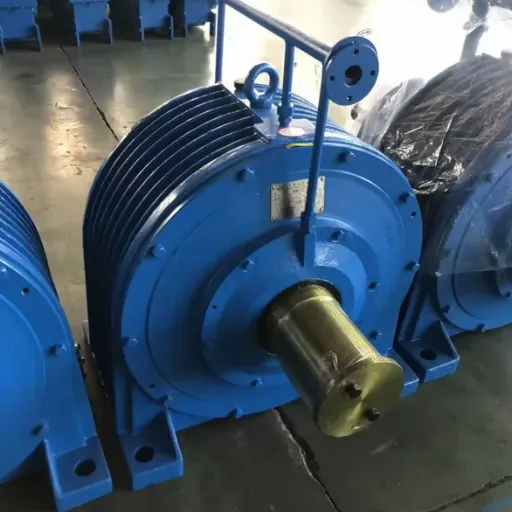
Choosing between a standard catalog reducer gearbox and a custom unit is one of the first decisions in procurement. The right choice depends on how closely your application matches common designs.
When a Standard Catalog Unit Works
Choose a standard reducer gearbox when:
Your torque, speed, and ratio requirements match published ratings.
The mounting position, shaft orientation, and footprint are conventional.
You need the fastest delivery and most competitive price.
Spare parts availability and interchangeability matter.
Standard series have proven designs, shorter lead times, and lower cost. They are ideal for new installations that follow common machinery sizes.
When You Need a Custom Reducer Gearbox
Choose a custom or non-standard reducer gearbox when:
The equipment footprint differs from standard designs.
Shaft orientation, center height, or bolt pattern is unique.
Load profile or torque requirement exceeds catalog ratings.
You are retrofitting a unit into existing equipment with tight constraints.
Ambient conditions such as high dust, temperature, or humidity require special sealing or cooling.
Custom engineering adds time upfront but prevents costly field modifications and premature failure. For guidance on selecting the right topology, see our comparison of planetary vs. cylindrical gear reducers.
"When Elena, a crane OEM buyer in Turkey, sourced reducer gearboxes for a new hoist line in 2024, she initially selected a standard catalog unit to save time. During prototype testing, the output shaft length interfered with the drum bearing housing. The standard manufacturer could not modify the shaft without invalidating the rating.
She switched to a custom reducer gearbox supplier, received approval drawings in two weeks, and cut her prototype cycle by six weeks. The custom unit cost more upfront but eliminated a redesign of the hoist frame."
Red Flags That Should Make You Pause
Not every company advertising reducer gearboxes online is a qualified manufacturer. Watch for these warning signs.
Vague or Missing Technical Documentation
If a supplier cannot provide material certificates, heat treatment records, or dimensional drawings, you have no way to verify what you are buying. This is especially risky for critical applications in mining, cement, and lifting.
Pressure to Skip the Approval Drawing Stage
A legitimate reducer gearbox manufacturer welcomes drawing approval for custom units. If a supplier rushes you past this step, they may not have the engineering discipline to produce a unit that fits.
Prices Far Below Market Range
Unusually low prices often indicate inferior materials, skipped heat treatment, undersized bearings, or outsourced assembly without inspection. The lowest purchase price rarely equals the lowest total cost of ownership.
No Physical Manufacturing Facility
Trading companies can be useful intermediaries, but they are not manufacturers. If you need direct engineering support, quality control, and customization, verify that the supplier owns production equipment and employs engineering staff.
Poor Communication on Technical Questions
If your technical questions are met with generic responses or long delays, expect the same during production and after-sales support. A capable reducer gearbox manufacturer answers engineering questions directly and promptly.
How to Request a Quotation from a Reducer Gearbox Manufacturer
A clear, complete request for quotation saves time and reduces errors. Include the following information:
Application description: What equipment will the reducer gearbox drive?
Motor data: Input power (kW), speed (rpm), and mounting type.
Output requirements: Output speed or reduction ratio, output torque, and service factor.
Mounting details: Foot-mounted, flange-mounted, shaft-mounted, or inline orientation.
Dimensional constraints: Center height, shaft length and diameter, bolt pattern, and total envelope.
Operating environment: Ambient temperature, dust, moisture, vibration, and duty cycle.
Quantity and delivery: Expected order volume, target delivery date, and shipping destination.
Documentation needs: Drawings, test reports, material certificates, or third-party inspection requirements.
The more detail you provide, the more accurate the quotation and the fewer surprises during production.
Ready to request a quote? Send us your specifications and our engineers will recommend a standard or custom reducer gearbox solution.
Frequently Asked Questions
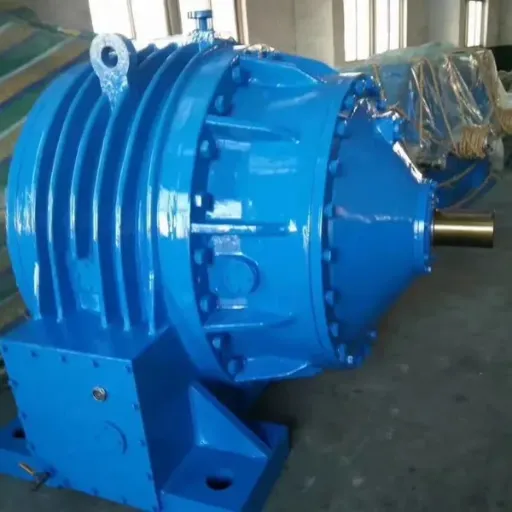
What is the difference between a reducer gearbox manufacturer and a gearbox trading company?
A reducer gearbox manufacturer designs, machines, assembles, and tests gearboxes in its own facility. A trading company sources finished products from third parties and resells them. Manufacturers offer direct engineering support, customization, and quality control. Trading companies may offer lower prices but limited technical accountability.
How do I verify that a reducer gearbox manufacturer is qualified?
Ask for facility photos, production equipment lists, quality control documents, and reference customers. Request material certificates and inspection reports for a sample order. If possible, visit the factory or arrange a third-party inspection. A qualified manufacturer will welcome verification.
What information does a reducer gearbox manufacturer need to quote?
Provide motor power and speed, required output speed or ratio, output torque, service factor, mounting position, dimensional constraints, operating environment, quantity, and delivery destination. Custom units also require shaft and interface details.
How long does it take to manufacture a custom reducer gearbox?
Custom reducer gearbox lead time depends on complexity, materials, and current production load. Simple modifications may take a few weeks, while fully engineered units can take several weeks to months. Request a detailed timeline with your quotation.
Why should I choose a reducer gearbox manufacturer in China?
China has established industrial clusters for gear reducer manufacturing, particularly in Taixing City. Manufacturers in these clusters benefit from mature supply chains, specialized machining capability, and competitive costs. For international buyers, proximity to Shanghai port also simplifies export logistics.
Can a reducer gearbox manufacturer produce units to my drawings?
Yes. Many manufacturers, including Jiangsu Manqi Machinery, accept customer drawings and specifications for non-standard reducer gearboxes. The process typically includes engineering review, feasibility confirmation, approval drawings, production, and inspection.
Conclusion
Choosing the right reducer gearbox manufacturer is one of the most important decisions in industrial equipment procurement. The best manufacturers combine engineering depth, manufacturing control, quality documentation, customization capability, and responsive support. They do not just sell a box of gears, they help you match the drive to your application and stand behind it after delivery.
Start by defining your torque, speed, mounting, and environmental requirements. Then evaluate manufacturers against the seven factors in this guide: engineering, manufacturing, product range, quality inspection, customization, logistics, and after-sales support. Request documentation, compare total cost of ownership, and never select based on price alone.
At Jiangsu Manqi Machinery, we manufacture MBY, JDX, ZDY/ZLY/ZSY, NGW, QY, and custom reducer gearboxes from our facility in Taixing City. Our engineering team reviews every inquiry to recommend the right standard or custom solution for your application.
Recently Posted
-
NGW Planetary Gear Reducer: A Selection Guide for Compact High-Torque Drives
July 30, 2026An NGW planetary gear reducer is a single-stage epicyclic gearbox that uses a central sun gear, planet gears, and an internal ring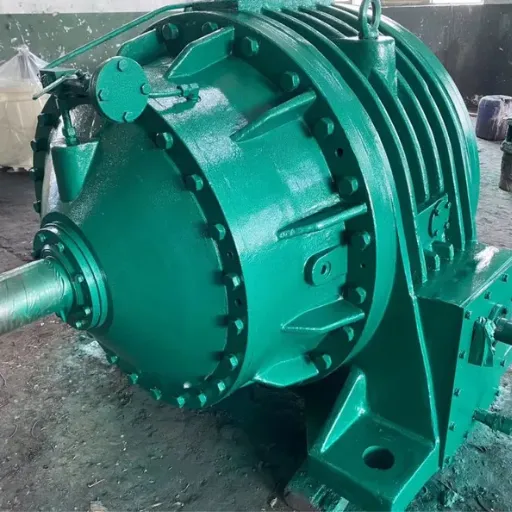 Read More
 -
Heavy Duty Planetary Reducer: A Guide for High-Torque Industrial Drives
July 30, 2026A heavy duty planetary reducer is the right choice when you need high output torque, shock-load capacity, and a compact footprint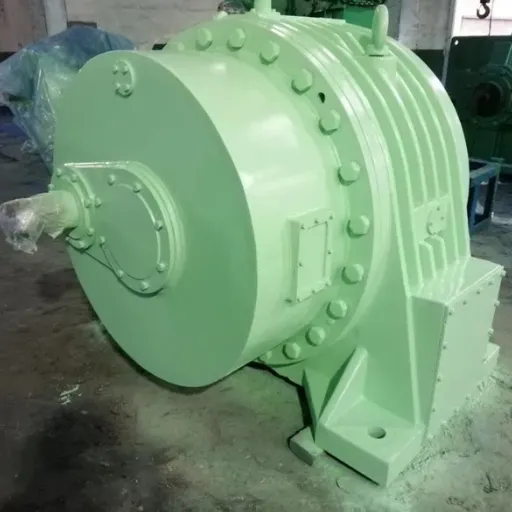 Read More
 -
Planetary Gear Motor: A Complete Engineer's Guide to Selection and Application
July 30, 2026A planetary gear motor is a compact drive solution that pairs a planetary gear reducer with an electric motor to deliver high outp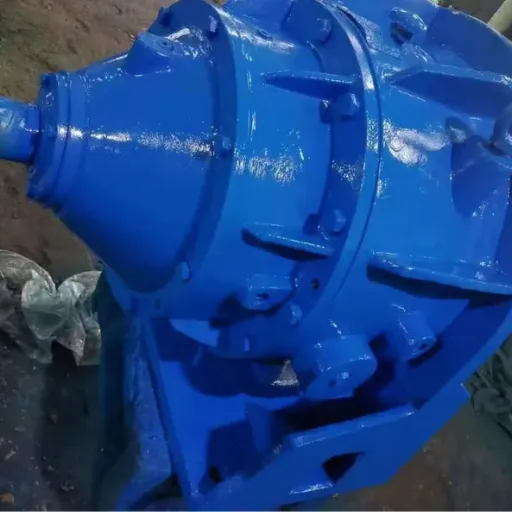 Read More
 -
High Torque Planetary Reducer: A Selection Guide for Heavy-Duty Industrial Drives
July 30, 2026A high torque planetary reducer is a compact drive system that distributes heavy loads across multiple planet gears meshing with a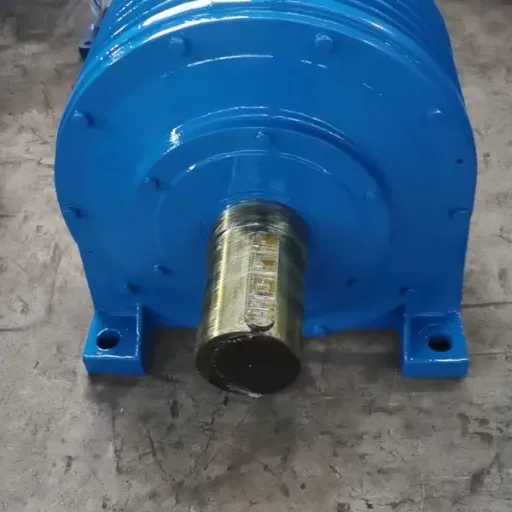 Read More

Contact Us
Recommended Products
-
 Kf127 Series Helical-Bevel Gear Motors for Industrial Power TransmissionNegotiableMOQ: 1 Set
 -
H1SH11 Modular Gearbox for Coal Mining Machinery With Cast Steel Housing and Mill Test ReportNegotiableMOQ: 1 Set
-
NGW101 Planetary Gear Reducer With Integral Flange Mount, 40Nm TorqueNegotiableMOQ: 1 Piece
-
Shanghai Dongfang DFSS400-520/4 Industrial Centrifugal Pump Wear RingNegotiableMOQ: 10 Pieces
-
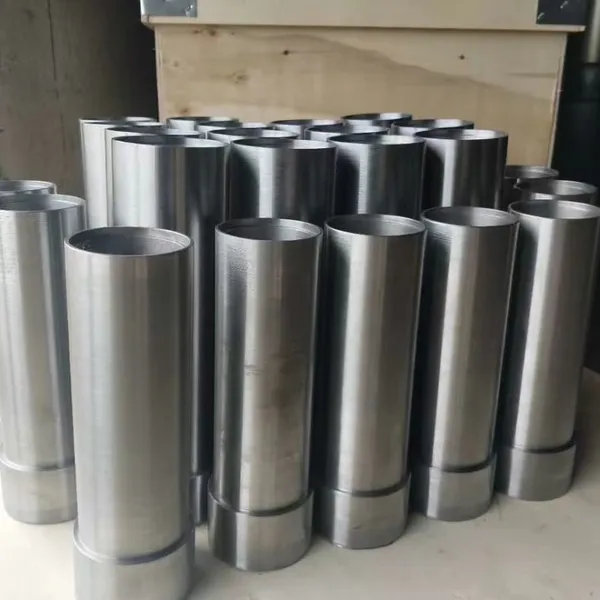
SLOW300-550 High Hardness Shaft Bushing Spare Parts Matching Shanghai Liancheng Water Pump AccessoriesNegotiableMOQ: 1 Piece
-
Shanghai Kaiquan KQSN300-X13A/390 Original Pump Seal Ring Spare PartNegotiableMOQ: 10 Pieces
-
Shanghai Dongfang IHH100-65-250 Chemical Pump Anti-Corrosion Seal RingNegotiableMOQ: 10 Pieces
-
Shanghai Dongfang DFSS600-24N/6 Wear Spare Ring for DFSS Water PumpNegotiableMOQ: 10 Pieces
-
Coaxial Parallel Shaft Gearbox Systems With Right Angle Spiral Bevel Helical Gear MotorsNegotiableMOQ: 1 Set
-
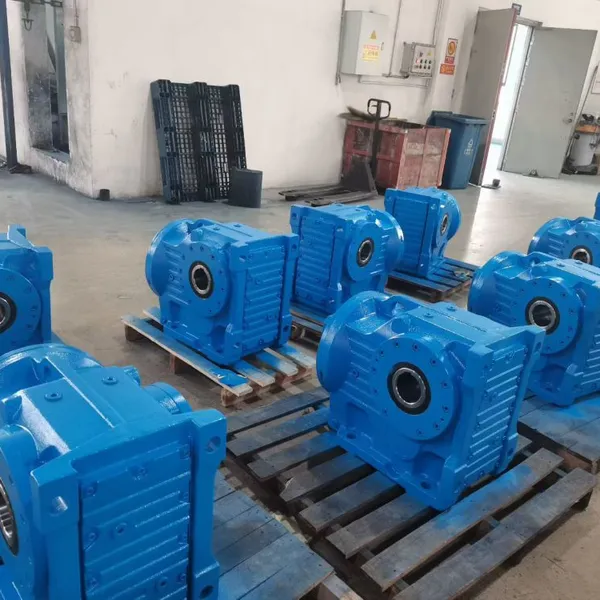
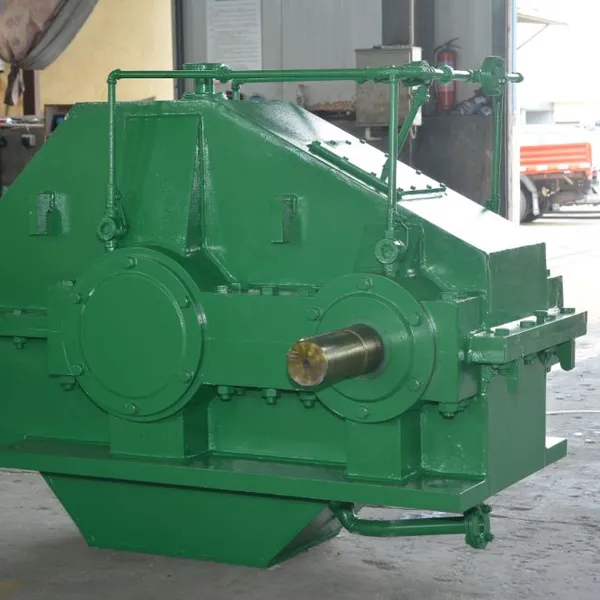
ZS125 Cylindrical Gear Reducer for Industrial Mixing ApplicationsNegotiableMOQ: 100 Sets
-
ZLY224 Cylindrical Gear Reducer With Hardened Steel Gears and 224mm Center DistanceNegotiableMOQ: 1 Piece
-
R87 Compact Inline Gear Motor Low Noise for Conveyor EquipmentNegotiableMOQ: 1 Set
-
NGW93 High Efficiency Low Vibration Planetary Gear Reducer For Machinery DriveNegotiableMOQ: 1 Piece
-
H1SH11 Modular Gear Reducers for CNC Machine IntegrationNegotiableMOQ: 1 Set
-
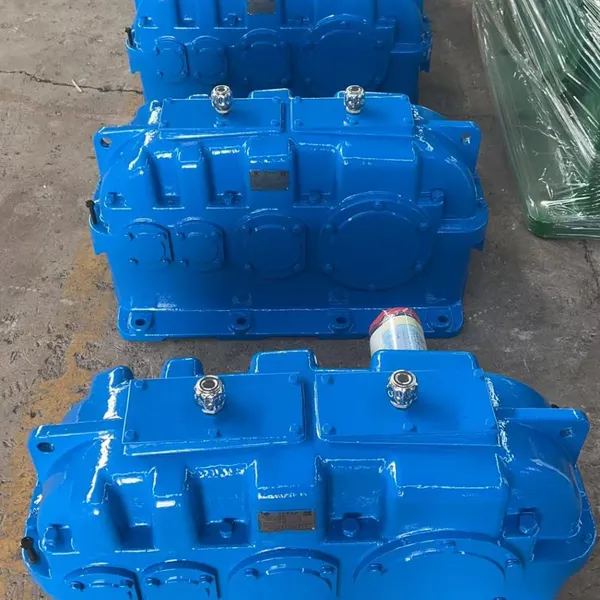
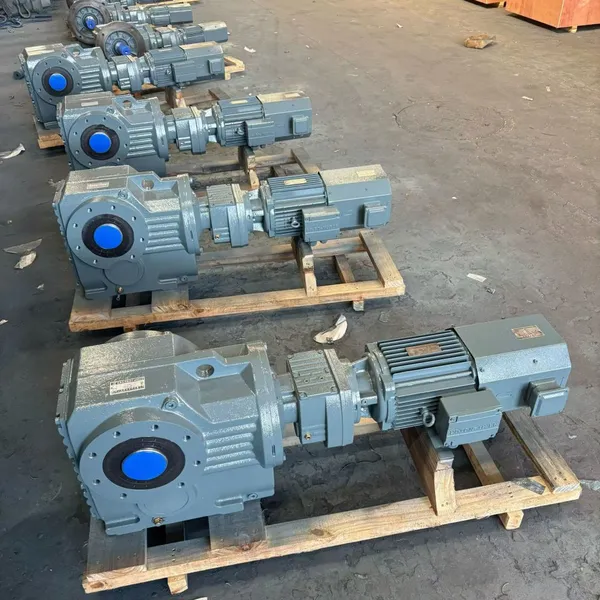
Gearmotor Converter System R/F/K/S Series Coaxial Parallel Shaft Gearbox Spiral Bevel MotorNegotiableMOQ: 1 Set
-
G3 Series Flange Mounted Helical Gear Motor Speed Reducer With Bevel GearboxNegotiableMOQ: 1 Set
-
Industrial Mixer Drive Solution With F Series Parallel Shaft Geared Motors F57 to F97NegotiableMOQ: 1 Set
-
Parallel Shaft Speed Reducer F Series, Models F57 F67 F77 F87 F97, IP55 Protection RatedNegotiableMOQ: 1 Set
-
Parallel Shaft Geared Motor F Series, F57-F97 With C-face Input Flange, 220V/380V OptionsNegotiableMOQ: 1 Set
-
Industrial ZSY630 Cylindrical Gear Reducer For Industrial Transmission EquipmentNegotiableMOQ: 1 Piece