Business License

Heavy Duty Planetary Reducer: A Guide for High-Torque Industrial Drives
A heavy duty planetary reducer is the right choice when you need high output torque, shock-load capacity, and a compact footprint in the same drive package. Compared to conventional parallel-shaft designs, planetary reducers distribute load across multiple gear meshes, which lets them handle demanding mining, cement, lifting, and material handling applications without taking up extra space.
Most engineers who specify heavy drives know the feeling: the machine frame is tight, the torque requirement is high, and maintenance access is limited. You need a reducer that fits the envelope and survives the duty cycle. This guide explains how heavy duty planetary reducers work, where they outperform other designs, and what to check before selecting one for your application.
You will learn the internal layout of a planetary reducer, the key advantages that matter for industrial drives, common applications, selection criteria, installation best practices, and mistakes that lead to early failure. By the end, you will know whether a planetary gear reducer is the best fit for your equipment and how to specify it correctly.
At Jiangsu Manqi Machinery, we manufacture NGW, NGW-S, NAD, NBD, NCD, NBZD, and NCZD series planetary reducers for customers worldwide. Our engineering team reviews application requirements before recommending a standard or custom unit.
Key Takeaways
Heavy duty planetary reducers use a sun gear, planet gears, and ring gear to share load across multiple meshes, delivering higher torque density than parallel-shaft designs.
NGW and NGW-S series suit general high-torque applications; NAD, NBD, NCD, NBZD, and NCZD series handle the heaviest mining and material handling loads.
The best applications include conveyors, crushers, ball mills, cranes, hoists, mixers, and winches where space is limited and shock loads are present.
Selection must cover output torque, service factor, reduction ratio, mounting position, lubrication, and bearing life—not just catalog power.
Proper installation alignment, oil fill, and scheduled inspection prevent premature wear and unplanned downtime.
What Is a Heavy Duty Planetary Reducer?
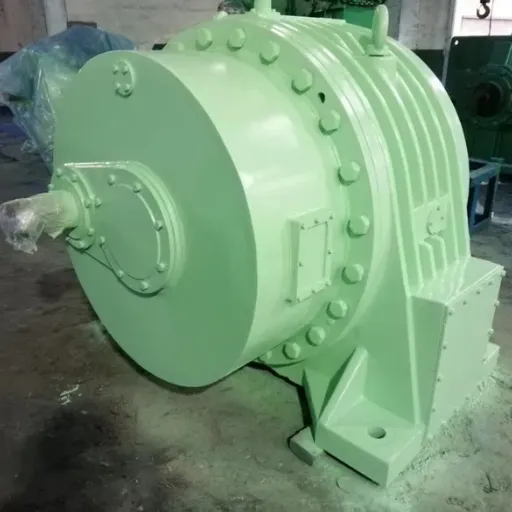
A heavy duty planetary reducer is a gearbox that uses an epicyclic gear train to reduce input speed and multiply output torque. The name "planetary" comes from the motion of the planet gears, which rotate around a central sun gear like planets orbiting the sun.
The main components are:
Sun gear: The central input gear driven by the motor shaft.
Planet gears: Multiple gears that mesh with the sun gear and an outer ring gear.
Planet carrier: Holds the planet gears and delivers the output rotation.
Ring gear: An internal gear that meshes with the outer teeth of the planet gears.
Because the load is shared among several planet gears, each individual gear carries only a fraction of the total torque. This arrangement produces high torque density, meaning more torque in a smaller housing than a single-stage cylindrical reducer of similar rating.
Heavy duty planetary reducers use stronger materials and larger bearings than standard planetary units. Gears are typically made from case-hardened alloy steel with hardened tooth surfaces in the HRC 58-62 range. Housings are cast iron or welded steel, and bearings are selected for rated load and L10 life under continuous duty.
How Does a Heavy Duty Planetary Reducer Work?
Power enters through the sun gear. The sun gear drives each planet gear, and each planet gear meshes with both the sun gear and the stationary ring gear. The planet carrier, which holds the planet gears, rotates at a reduced speed and becomes the output.
The reduction ratio depends on the number of teeth on the sun gear and ring gear. A typical single-stage planetary reducer offers ratios from 3:1 to 12:1. Multi-stage designs, such as NGW-S or NBZD units, stack two or more planetary stages to achieve ratios up to several hundred to one.
The key engineering advantage is load sharing. In a cylindrical reducer, one or two gear meshes carry the full load. In a planetary reducer, three to five planet gears can share the load simultaneously. This reduces the size of each gear and allows the overall package to be more compact.
However, load sharing is only as good as the manufacturing accuracy. Unequal planet gear spacing, tooth profile errors, or carrier deflection can shift load toward one gear and cause localized pitting or bearing failure. That is why heavy duty planetary reducers require precision machining, strict assembly control, and multi-stage inspection.
Engineering Note
Always ask your supplier for contact pattern checks and noise test reports. These inspections confirm that load is distributed evenly across the planet gears.
Key Advantages of Heavy Duty Planetary Reducers
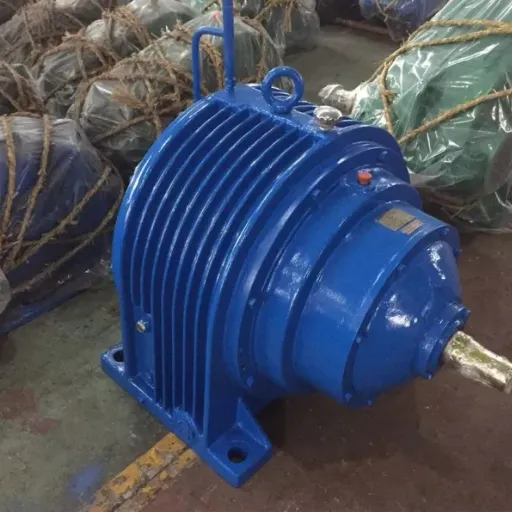
High Torque Density
The main reason engineers choose planetary reducers is torque density. A heavy duty planetary reducer can deliver the same output torque as a much larger cylindrical reducer. This matters when the machine frame is tight or when reducing weight improves performance.
Compact Footprint
Because the gear train is coaxial, the input and output shafts are inline. The housing is shorter and lighter than an equivalent parallel-shaft reducer. For mobile equipment, cranes, and conveyors, this compact shape simplifies integration.
Better Load Distribution
Multiple planet gears share the load, which reduces stress on individual teeth and bearings. When properly manufactured, this sharing improves durability and extends service life under continuous duty.
High Efficiency
Single-stage planetary reducers often exceed 97% efficiency. Multi-stage designs remain efficient because each stage adds only small losses. For continuous-duty applications, this efficiency reduces heat generation and energy cost.
Shock-Load Capacity
Heavy duty planetary reducers are engineered to absorb shock loads from crushers, mills, and lifting machinery. The rigid carrier, quality bearings, and hardened tooth surfaces work together to withstand dynamic forces without tooth fracture.
When Marcus, a project engineer at a mining equipment OEM in Shanxi, redesigned a conveyor drive in 2025, his biggest constraint was the available space between the head pulley and the frame. A standard cylindrical reducer would have required a wider mounting platform and new structural supports. By switching to an NBZD series heavy duty planetary reducer, he fit the drive into the existing envelope and kept the motor inline with the pulley shaft. The machine passed commissioning with vibration levels below the project specification.
Want to see which planetary reducer fits your application? Browse our gear reducer catalog to compare NGW, NBZD, and other heavy duty series.
Common Applications and Industries
Heavy duty planetary reducers are used wherever high torque, compact size, and reliability are required. The most common applications include:
Mining and Material Handling
Belt conveyors and bucket wheel drives
Crushers and mills
Stacker-reclaimers and ship loaders
Winches and hoists
Mining applications demand high torque and shock-load capacity. Planetary reducers handle these loads while keeping the drive package compact.
Cement and Construction
Ball mills and raw meal mills
Rotary kiln drives
Concrete mixer drives
Crusher feeders
Cement plants run continuous duty cycles with heavy dust and vibration. A heavy duty planetary reducer with proper sealing and lubrication performs reliably in these conditions.
Lifting and Cranes
Overhead crane hoists
Gantry crane trolley drives
Winches and material handling systems
Offshore lifting equipment
Crane applications need compact, high-torque drives with safety margins. Planetary reducers fit into hoist machinery where space and weight are limited.
Industrial Machinery
Mixers and agitators
Extruders
Packaging machinery
Metal forming equipment
When Zhang Mei, a design engineer at a port crane manufacturer in Ningbo, selected a drive for a new 50-ton gantry crane in 2024, she needed a reducer that could fit inside the existing hoist trolley. The QY series lifting reducer was too large for the revised frame, so her team chose an NCD series heavy duty planetary reducer. The inline input and output shafts simplified the motor mounting, and the shared-load design provided the safety factor the crane specification required.
How to Select a Heavy Duty Planetary Reducer
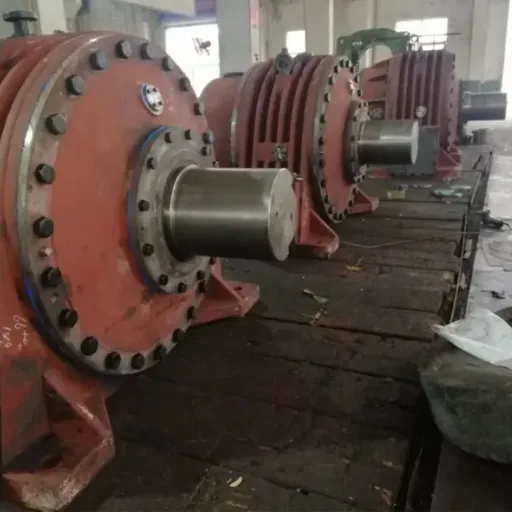
Selecting the right reducer starts with understanding your application requirements. Catalog power ratings are only a starting point. You also need to confirm torque, service factor, ratio, mounting, and environmental conditions.
Define Required Output Torque
Output torque is the most important parameter. It is calculated from the motor power and output speed, but it must also account for the actual load profile. Peak torque during startup or jam conditions can be much higher than steady-state torque.
Choose the Right Service Factor
The service factor accounts for load variability, shock, operating hours, and startup frequency. For heavy duty applications, service factors typically range from 1.5 to 2.5 or higher. Undersizing the service factor leads to premature pitting, bearing wear, or tooth breakage.
Confirm Reduction Ratio
The reduction ratio brings motor speed down to the required output speed. Single-stage planetary reducers cover ratios up to about 12:1. For higher ratios, choose a two-stage or three-stage design such as NGW-S, NBZD, or NCZD.
Check Mounting Position
Planetary reducers are available in foot-mounted, flange-mounted, and shaft-mounted configurations. Confirm the mounting orientation because it affects lubrication. Some mounting positions require forced lubrication or additional oil fill to keep the top bearings lubricated.
Specify Input and Output Interfaces
Check shaft diameter, keyway, coupling type, and bolt pattern. For replacement projects, a dimensionally equivalent unit reduces installation time. For new designs, early coordination between the equipment supplier and reducer manufacturer prevents interface problems.
Consider Ambient Conditions
High dust, temperature, humidity, or chemical exposure affects sealing and lubrication. Specify the correct protection rating, seals, and oil grade for the operating environment.
Review Bearing Life and Lubrication
Bearing life is critical in heavy duty applications. Ask the supplier for L10 bearing life calculations at your actual load and speed. Also confirm the lubrication method: splash, oil bath, or forced lubrication depending on duty and mounting.
When Liu Wei, a maintenance manager at a cement plant in Jiangsu, replaced a failed mill auxiliary drive in late 2025, he started by calculating the actual output torque during peak load, not just the motor nameplate rating. The original reducer had been sized for steady-state torque only and failed after 18 months. By selecting an NBD series heavy duty planetary reducer with a service factor of 2.2 and confirming the bearing L10 life, he extended the replacement interval to over five years.
Need help selecting the right planetary reducer? Contact our engineers with your torque, speed, and mounting requirements for a technical recommendation.
Heavy Duty Planetary Reducer Series at a Glance
Different series are optimized for different load levels and industries. Here is how the main Manqi Machinery planetary reducer families compare.
| Series | Stages | Typical Ratio Range | Best For |
|---|---|---|---|
| NGW | Single-stage | 3:1 to 12:1 | General high-torque drives, mixers, conveyors |
| NGW-S | Two-stage | 12:1 to 160:1 | Higher ratio applications, industrial machinery |
| NAD | Single-stage | 4:1 to 10:1 | Heavy-duty mining and material handling |
| NBD | Two-stage | 12:1 to 160:1 | Crushers, mills, heavy conveyors |
| NCD | Three-stage | Up to 500:1 | High-ratio heavy drives, cranes, hoists |
| NBZD | Two-stage | 12:1 to 200:1 | Extra-heavy mining, bulk material handling |
| NCZD | Three-stage | Up to 500:1 | Highest torque, multi-stage industrial drives |
This table is a starting point. Final selection should always be based on detailed application data and supplier confirmation.
Installation and Maintenance Best Practices
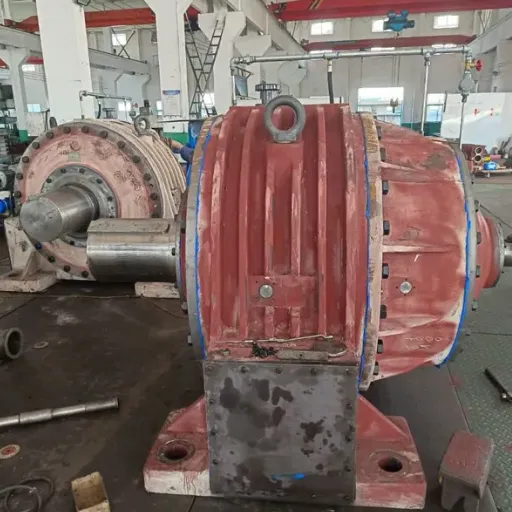
Even a correctly selected reducer will fail if installed or maintained incorrectly. Follow these practices to maximize service life.
Alignment
Planetary reducers tolerate some misalignment, but excessive misalignment increases bearing load and vibration. Use dial indicators or laser alignment tools to align the input and output shafts within the supplier's tolerance.
Bolt Down and Base Rigidity
Mount the reducer on a rigid base. Flexible or uneven foundations amplify vibration and cause housing distortion. Torque mounting bolts to the specified value and check them after the first month of operation.
Oil Fill and Oil Changes
Fill to the correct oil level for the mounting position. Use the oil grade recommended by the manufacturer. Change oil after the first 500 hours of operation, then at the intervals specified for your duty cycle and ambient temperature.
Run-In and Commissioning
Run the reducer at partial load for the first few hours if possible. Monitor noise, vibration, bearing temperature, and oil leaks during the break-in period. Record baseline values for future comparison.
Scheduled Inspection
Inspect oil level, seal condition, bolt tightness, and vibration quarterly. Analyze oil samples annually in severe applications to detect wear particles before they cause failure.
Common Mistakes to Avoid
Selecting by Motor Power Alone
Motor power does not tell the full story. Output torque, service factor, and load profile determine the real reducer requirement. A reducer sized only by motor power often fails prematurely.
Ignoring Mounting Position
Mounting position affects lubrication. Installing a reducer in the wrong orientation without the correct oil fill or forced lubrication leads to bearing starvation and overheating.
Skipping Commissioning Checks
Vibration, noise, and temperature should be checked during the first run. Small problems caught early prevent catastrophic failures later.
Using the Wrong Lubricant
Industrial gear oil must match the reducer design, ambient temperature, and load. The wrong viscosity or additive package reduces efficiency and accelerates wear.
Neglecting Spare Parts Planning
For critical drives, keep seals, bearings, and gear sets in stock. Long lead times for custom planetary components can extend unplanned downtime.
Frequently Asked Questions
What makes a planetary reducer "heavy duty"?
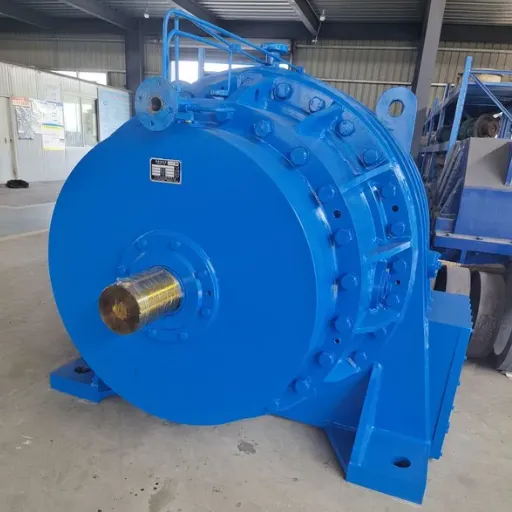
A heavy duty planetary reducer uses stronger materials, larger bearings, and more robust housing than standard planetary units. It is designed for continuous operation, high shock loads, and severe environments such as mining, cement, and lifting.
When should I choose a planetary reducer over a cylindrical reducer?
Choose a planetary reducer when space is limited, torque density is high, or the application requires inline input and output shafts. Cylindrical reducers are often simpler and less expensive for moderate loads with plenty of mounting space.
What is the typical efficiency of a heavy duty planetary reducer?
Single-stage planetary reducers typically exceed 97% efficiency per stage. Multi-stage designs remain efficient, usually above 94% overall, depending on ratio and gear quality.
How do I calculate the service factor for a planetary reducer?
The service factor depends on load variability, shock, operating hours, and startup frequency. Heavy duty applications typically use service factors from 1.5 to 2.5. Consult your supplier's rating tables and application guidelines.
Can heavy duty planetary reducers be customized?
Yes. Custom or non-standard reducers can be engineered for unique shaft arrangements, mounting footprints, torque requirements, and environmental conditions. At Jiangsu Manqi Machinery, our R&D team reviews customer drawings and operating conditions before manufacturing.
Conclusion
A heavy duty planetary reducer is the right choice when your application demands high torque, compact size, and reliable performance under shock loads. By understanding how planetary gear trains share load, which series match your duty level, and how to specify torque, service factor, and mounting correctly, you can avoid premature failure and reduce total cost of ownership.
The key is to size the reducer for real operating conditions, not just catalog power. Pair the right planetary reducer with proper installation, lubrication, and scheduled inspection, and it will deliver years of dependable service in mining, cement, lifting, and material handling equipment.
At Jiangsu Manqi Machinery, we manufacture NGW, NGW-S, NAD, NBD, NCD, NBZD, and NCZD series heavy duty planetary reducers from our facility in Taixing City. Whether you need a standard model or a custom-engineered drive, send us your specifications and our engineers will recommend the right solution.
Ready to specify your heavy duty planetary reducer? Contact our engineering team with your torque, speed, and mounting requirements, and we will provide a technical recommendation and quotation.
Recently Posted
-
NGW Planetary Gear Reducer: A Selection Guide for Compact High-Torque Drives
July 30, 2026An NGW planetary gear reducer is a single-stage epicyclic gearbox that uses a central sun gear, planet gears, and an internal ring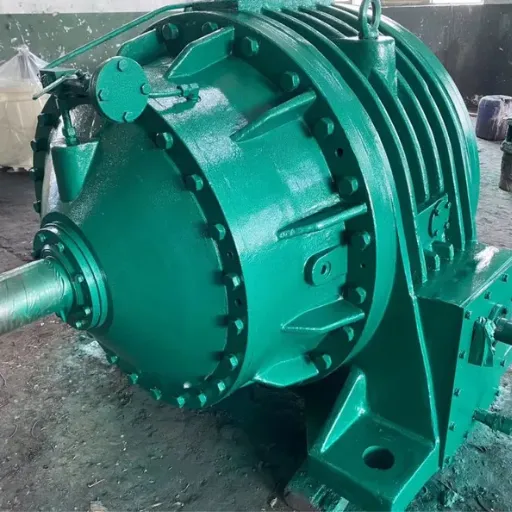 Read More
 -
Planetary Gear Motor: A Complete Engineer's Guide to Selection and Application
July 30, 2026A planetary gear motor is a compact drive solution that pairs a planetary gear reducer with an electric motor to deliver high outp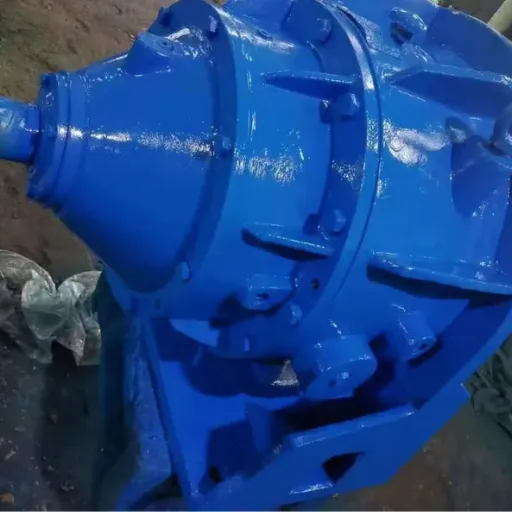 Read More
 -
High Torque Planetary Reducer: A Selection Guide for Heavy-Duty Industrial Drives
July 30, 2026A high torque planetary reducer is a compact drive system that distributes heavy loads across multiple planet gears meshing with a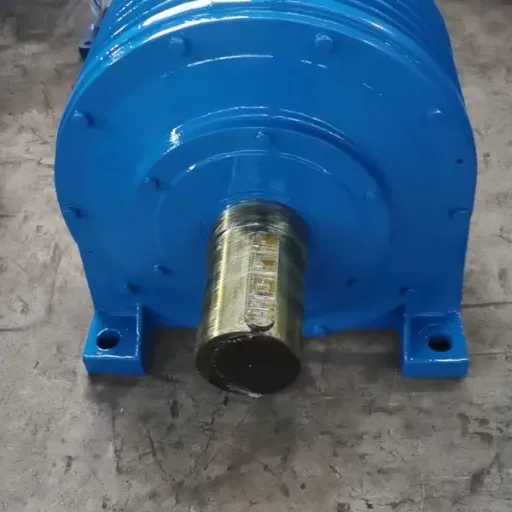 Read More
 -
Planetary Gearbox: A Complete Engineering Guide to Types, Applications, and Selection
July 30, 2026A planetary gearbox is a compact speed reducer that uses a central sun gear, multiple planet gears, and an outer ring gear to dist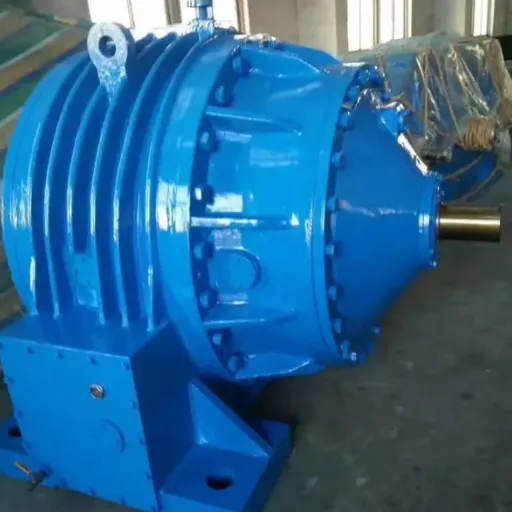 Read More

Contact Us
Recommended Products
-
 Kf127 Series Helical-Bevel Gear Motors for Industrial Power TransmissionNegotiableMOQ: 1 Set
 -
H1SH11 Modular Gearbox for Coal Mining Machinery With Cast Steel Housing and Mill Test ReportNegotiableMOQ: 1 Set
-
NGW101 Planetary Gear Reducer With Integral Flange Mount, 40Nm TorqueNegotiableMOQ: 1 Piece
-
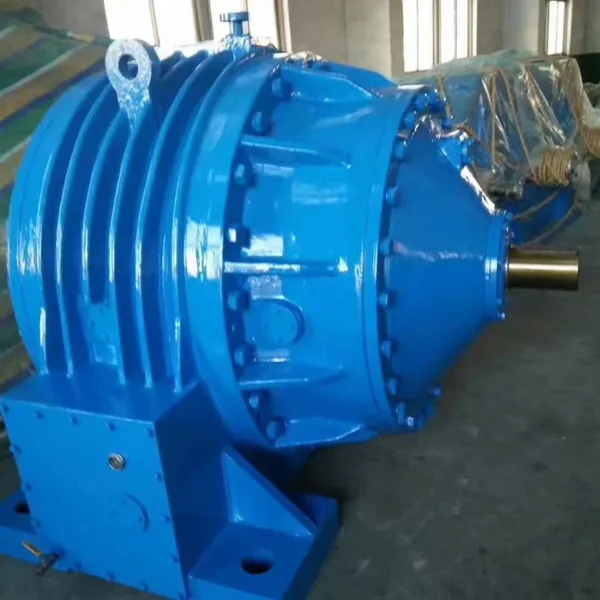
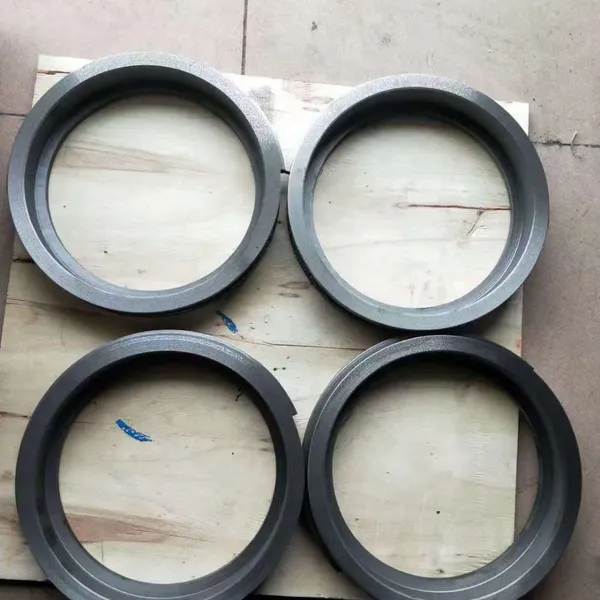
Shanghai Dongfang DFSS400-520/4 Industrial Centrifugal Pump Wear RingNegotiableMOQ: 10 Pieces
-
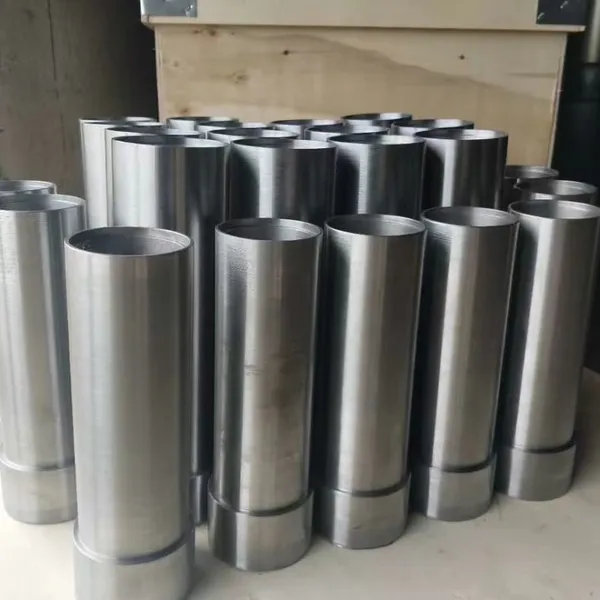
SLOW300-550 High Hardness Shaft Bushing Spare Parts Matching Shanghai Liancheng Water Pump AccessoriesNegotiableMOQ: 1 Piece

-
Shanghai Kaiquan KQSN300-X13A/390 Original Pump Seal Ring Spare PartNegotiableMOQ: 10 Pieces
-
Shanghai Dongfang IHH100-65-250 Chemical Pump Anti-Corrosion Seal RingNegotiableMOQ: 10 Pieces
-
Shanghai Dongfang DFSS600-24N/6 Wear Spare Ring for DFSS Water PumpNegotiableMOQ: 10 Pieces
-
Coaxial Parallel Shaft Gearbox Systems With Right Angle Spiral Bevel Helical Gear MotorsNegotiableMOQ: 1 Set
-
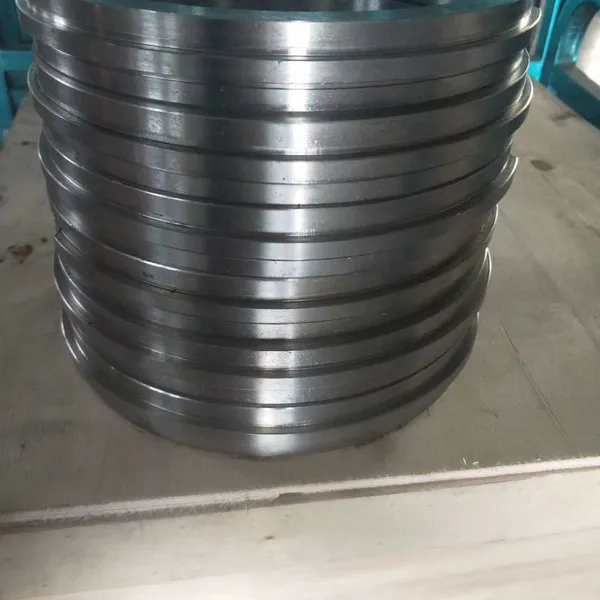
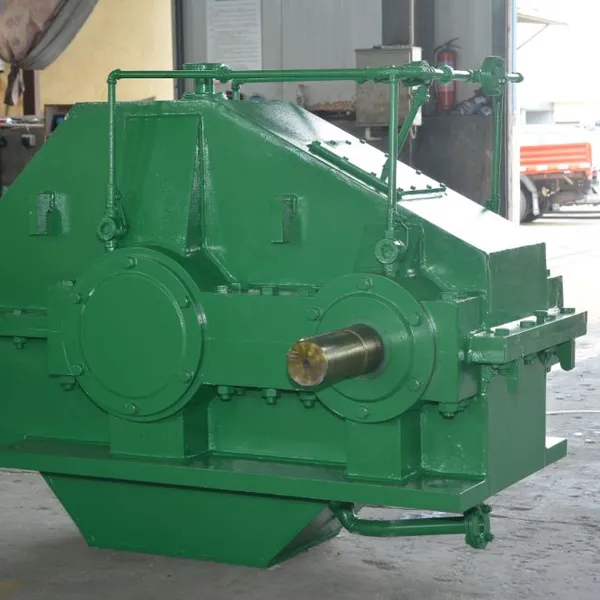
ZS125 Cylindrical Gear Reducer for Industrial Mixing ApplicationsNegotiableMOQ: 100 Sets
-
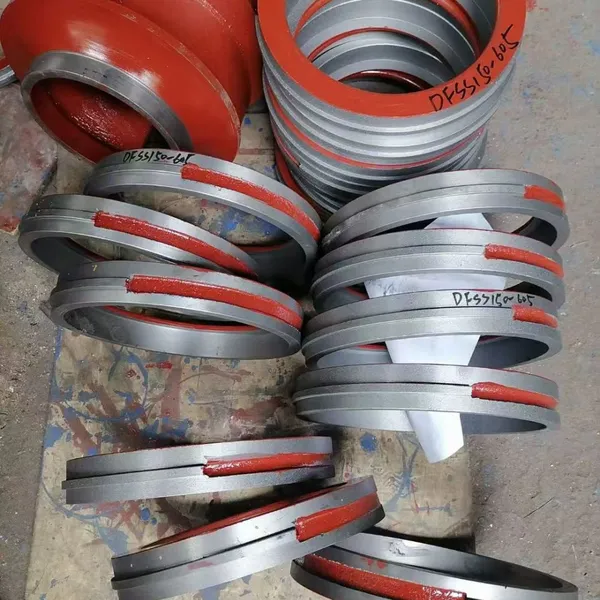
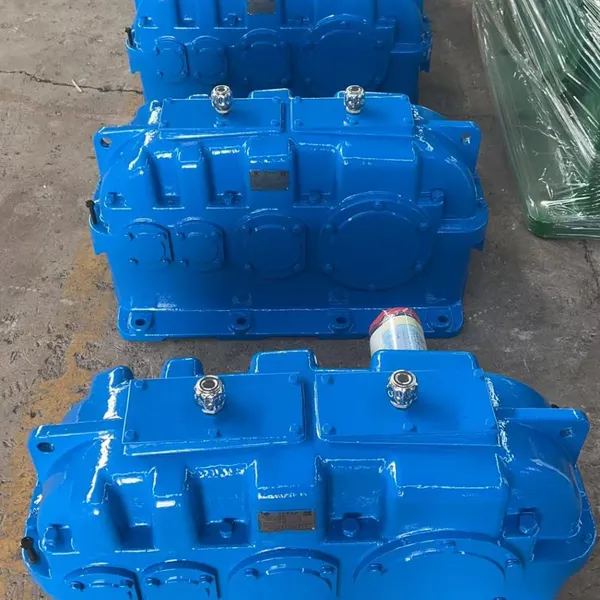
ZLY224 Cylindrical Gear Reducer With Hardened Steel Gears and 224mm Center DistanceNegotiableMOQ: 1 Piece
-
R87 Compact Inline Gear Motor Low Noise for Conveyor EquipmentNegotiableMOQ: 1 Set
-
NGW93 High Efficiency Low Vibration Planetary Gear Reducer For Machinery DriveNegotiableMOQ: 1 Piece
-
H1SH11 Modular Gear Reducers for CNC Machine IntegrationNegotiableMOQ: 1 Set
-
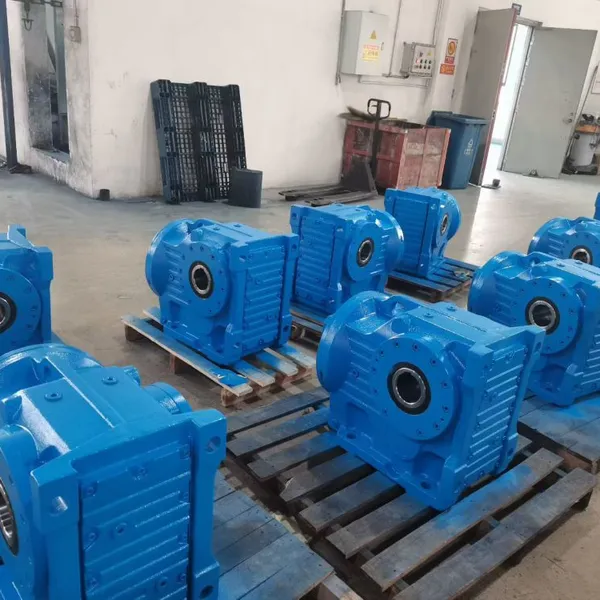
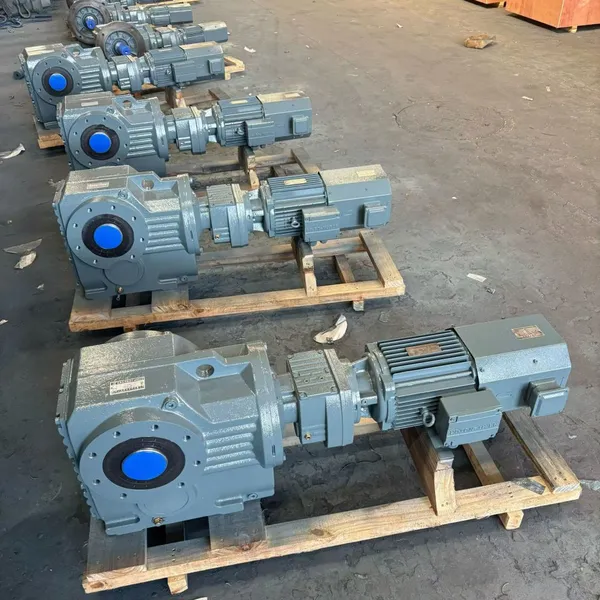
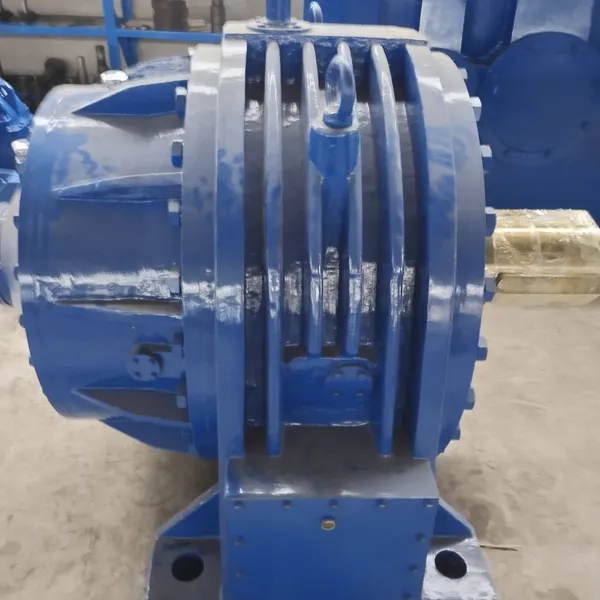
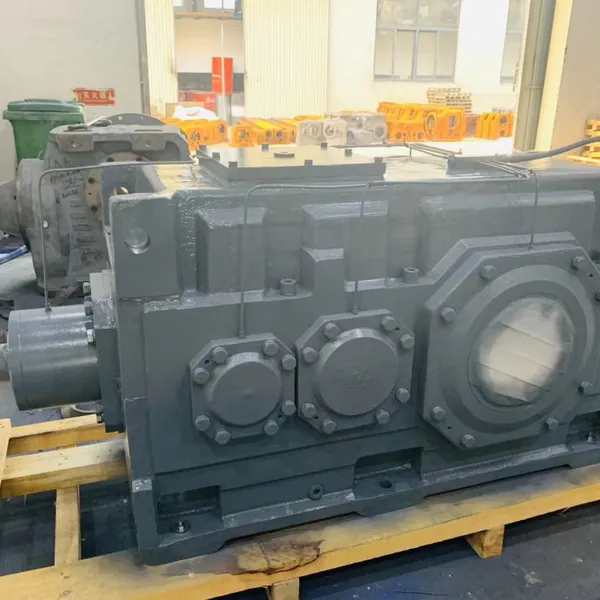
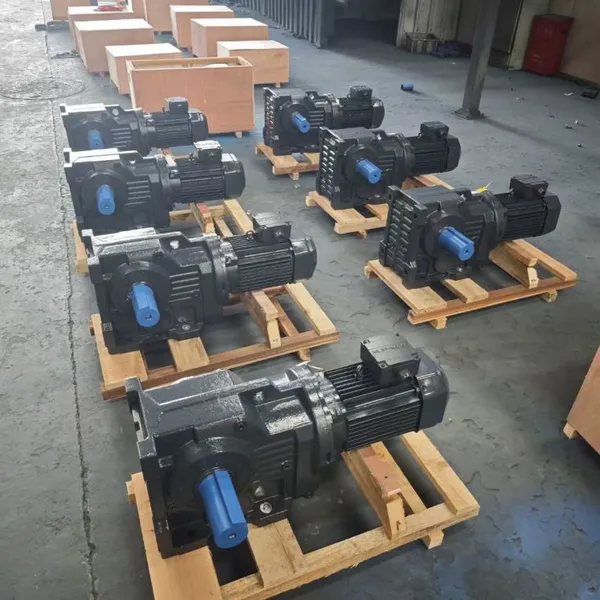
Gearmotor Converter System R/F/K/S Series Coaxial Parallel Shaft Gearbox Spiral Bevel MotorNegotiableMOQ: 1 Set
-
G3 Series Flange Mounted Helical Gear Motor Speed Reducer With Bevel GearboxNegotiableMOQ: 1 Set
-
Industrial Mixer Drive Solution With F Series Parallel Shaft Geared Motors F57 to F97NegotiableMOQ: 1 Set
-
Parallel Shaft Speed Reducer F Series, Models F57 F67 F77 F87 F97, IP55 Protection RatedNegotiableMOQ: 1 Set
-
Parallel Shaft Geared Motor F Series, F57-F97 With C-face Input Flange, 220V/380V OptionsNegotiableMOQ: 1 Set
-
Industrial ZSY630 Cylindrical Gear Reducer For Industrial Transmission EquipmentNegotiableMOQ: 1 Piece