Business License

High Torque Planetary Reducer: A Selection Guide for Heavy-Duty Industrial Drives
A high torque planetary reducer is a compact drive system that distributes heavy loads across multiple planet gears meshing with a central sun gear and outer ring gear. This load-sharing geometry makes it the right choice when your application demands high output torque, shock-load resistance, and reliable power transmission in a small installation envelope.
What if the reducer that fits your machine physically cannot survive the real operating load? Last year, a mining conveyor OEM in South Africa learned this the hard way. The team installed a standard catalog reducer rated for the nominal motor power, but they did not account for frequent startup shock and uneven ore loading.
Within fourteen months, the planet bearings failed and the conveyor went down for three weeks. The replacement cost dwarfed the original unit price. The lesson was clear: high torque applications need reducers engineered for the actual duty cycle, not just the catalog rating.
We agree that selecting a high torque planetary reducer is not a simple matter of matching motor power to a model number. In this guide, we promise to explain what makes a planetary reducer suitable for high torque work, which series are built for heavy loads, and how to size and specify a unit that will last. You will learn how torque density, service factor, bearing selection, and thermal management affect performance in demanding applications.
Need help sizing a high torque planetary reducer for your application? Contact our engineering team with your torque, speed, and duty cycle details for a technical recommendation.
Key Takeaways
A high torque planetary reducer shares load across multiple planet gears, delivering compact power density for heavy-duty applications.
Heavy-duty series include NAD, NBD, NCD, NBZD, and NCZD planetary reducers designed for mining, material handling, and lifting equipment.
Selection must account for peak torque, service factor, shock loads, bearing life, and thermal limits, not just nominal power.
Proper lubrication, alignment, and cooling are critical to achieving rated service life in continuous high torque duty.
Jiangsu Manqi Machinery manufactures NAD, NBD, NCD, NBZD, and NCZD high torque planetary reducers with custom engineering support.
What Makes a Planetary Reducer "High Torque"?
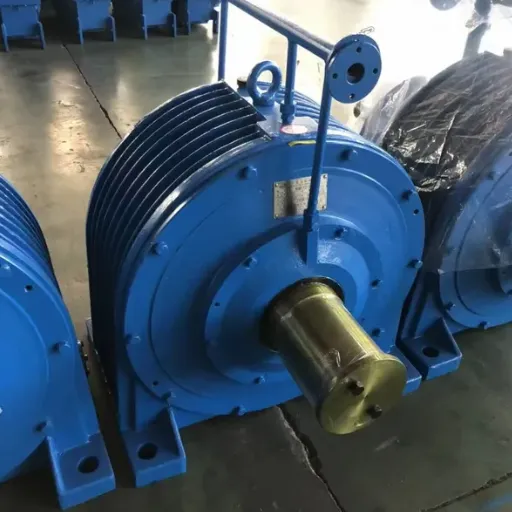
Not every planetary reducer is designed for high torque. A unit becomes a high torque planetary reducer through a combination of design choices that allow it to handle greater forces without increasing size proportionally.
The key factors are:
More planet gears: Adding planet gears increases the number of load-sharing mesh points. More planets mean each gear carries less of the total torque.
Larger planet gears and bearings: Bigger planets distribute stress over larger tooth surfaces and allow larger bearings to handle radial and axial loads.
Stronger carrier and housing: The planet carrier must be stiff enough to maintain even spacing under load. A rigid housing prevents distortion that would misalign the gear mesh.
Hardened and ground tooth profiles: Precision-ground gears with hardened tooth surfaces resist pitting and wear under high contact stress.
Higher service factor design: High torque reducers are engineered with safety margins for shock, vibration, and overload conditions.
In practical terms, a high torque planetary reducer can deliver the same output torque as a much larger parallel-shaft gearbox. That is why engineers specify them when space is tight but the load is severe.
How a High Torque Planetary Reducer Works
Power enters through the sun gear, which drives multiple planet gears arranged around it. The planet gears mesh with both the sun gear and a fixed outer ring gear. As the planets rotate, they walk around the inside of the ring gear, turning the planet carrier at a reduced speed and higher torque.
Because torque is split among the planet gears, no single gear carries the full load. In a typical high torque planetary reducer, three to five planet gears share the torque. This means:
Smaller gear diameters can handle the same torque as a single large gear.
The housing is shorter and lighter than an equivalent parallel-shaft design.
Bearing loads are distributed, though planet bearing life remains critical.
Efficiency stays high, often above 97% per stage for well-manufactured units.
The reduction ratio depends on the tooth counts of the sun and ring gears. Single-stage high torque planetary reducers typically cover ratios from about 3:1 to 12:1. Two-stage and three-stage designs extend this range to over 100:1 while maintaining a coaxial input-output arrangement.
Heavy-Duty Planetary Reducer Series for High Torque
When standard NGW planetary reducers are not enough, heavy-duty series provide the extra capacity needed for mining, cement, lifting, and material handling. These units use larger components and stronger construction to handle extreme torque.
NAD Series
The NAD series is a single-stage heavy-duty planetary reducer built for high torque, low-speed applications. It is commonly used in mining conveyors, crushers, and mills where shock loads are present and continuous duty is required.
NBD Series
The NBD series adds capacity for even higher torque demands. These reducers are used in large material handling systems, heavy industrial mixers, and other severe-duty machinery.
NCD Series
The NCD series is designed for very high torque applications where reliability under overload conditions is critical. It is often specified for hoists, winches, and heavy conveyor drives.
NBZD and NCZD Series
The NBZD and NCZD series are among the highest torque planetary reducers available for industrial use. They are built for the most demanding drives in mining, cement plants, and large lifting equipment. These series use multiple stages and oversized components to deliver extreme torque in a relatively compact package.
At Jiangsu Manqi Machinery, we manufacture NAD, NBD, NCD, NBZD, and NCZD high torque planetary reducers from our facility in Taixing City. Each series covers a different torque and ratio range so we can match the reducer to the application rather than forcing a smaller unit to do the job.
Applications That Need a High Torque Planetary Reducer
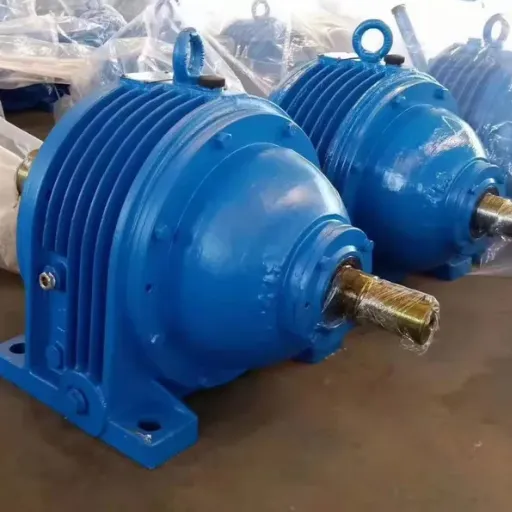
High torque planetary reducers excel where space is limited but the load is severe. Their compact footprint and high power density make them ideal for several industrial sectors.
Common applications include:
Mining conveyors: Long-distance belt conveyors need high starting torque and reliable continuous operation. A high torque planetary reducer handles the load while keeping drive size manageable.
Crushers and mills: Crushing and grinding equipment produces heavy shock loads. Planetary reducers with high service factors absorb these forces better than undersized units.
Cranes and hoists: Lifting machinery requires compact drives with high safety margins. Planetary reducers fit well in hoist and trolley mechanisms.
Winches and marine deck equipment: Pulling and lifting winches need high torque at low speed, often in tight machinery rooms.
Construction machinery: Swing drives, crawler drives, and mixer drives use high torque planetary units to handle variable loads in harsh conditions.
Industrial mixers and extruders: Large mixers and extruders require smooth, high-torque rotation that planetary reducers deliver efficiently.
When a cement plant engineer in Vietnam upgraded a large kiln feed conveyor, the existing parallel-shaft reducer occupied too much space and struggled with peak loads. The team replaced it with an NBZD high torque planetary reducer. The new unit reduced the drive length by 32% and handled the conveyor's frequent overload events without failure. The key was working with the supplier to confirm the actual torque spectrum and select a reducer with an appropriate service factor.
Key Selection Factors for High Torque Planetary Reducers
Choosing the right high torque planetary reducer requires more than reading a catalog. The following factors determine whether the unit will perform reliably.
Required Output Torque and Speed
Start with the maximum continuous torque and peak torque your application demands. The reducer must be rated for both. Also confirm the required output speed, which determines the reduction ratio.
For example, a conveyor drive might require 50,000 Nm continuous torque with peak torque of 85,000 Nm during startup. The selected high torque planetary reducer must handle the peak load without damage and the continuous load without overheating.
Service Factor
The service factor accounts for shock loads, operating hours, startup frequency, and load variability. In heavy-duty applications, service factors typically range from 1.5 to 2.5. Applications with severe shock or frequent starts may need even higher values.
Undersizing to save cost usually leads to early bearing wear, tooth pitting, or shaft failure. Always size based on real operating conditions, not just motor power.
Mounting and Environmental Conditions
High torque planetary reducers are available with foot mounting, flange mounting, shaft mounting, and custom interfaces. Confirm:
Input shaft diameter and coupling arrangement.
Output shaft diameter, length, and keyway dimensions.
Mounting bolt patterns and center height.
Ambient temperature, dust, moisture, and chemical exposure.
Maintenance access and lubrication points.
Bearing Life and Load Ratings
In high torque applications, planet bearing life is often the limiting factor. Ask the supplier for bearing L10 life calculations at your actual load and speed. Verify that bearings are sized for both radial and axial loads if your application produces thrust forces.
Thermal Management
High power density means significant heat generation in a small volume. In continuous-duty applications, confirm that the reducer can dissipate heat at your operating conditions. Forced lubrication, cooling coils, or external cooling may be needed in extreme cases.
Advantages of High Torque Planetary Reducers in Heavy-Duty Applications
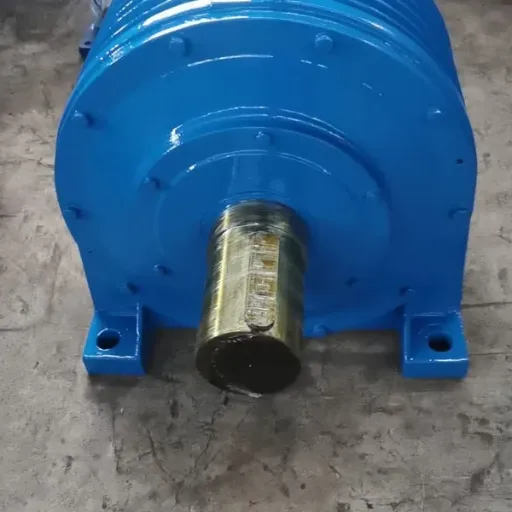
High torque planetary reducers offer clear advantages over other drive types for severe-duty work.
Compact Size for High Torque
Because load is shared across multiple planet gears, a high torque planetary reducer handles the same torque in a smaller housing than a parallel-shaft design. This saves space in machinery layouts and reduces structural support requirements.
High Efficiency
Well-manufactured planetary reducers maintain high efficiency even at high torque. Single-stage units often exceed 97% efficiency, which reduces energy consumption and heat generation in continuous-duty applications.
Shock-Load Capacity
Heavy-duty planetary reducers are designed with service factors and component strength to absorb shock loads from crushers, mills, conveyors, and lifting equipment. The shared load path helps prevent catastrophic single-point failures.
Coaxial Input and Output
The inline shaft arrangement simplifies machine design, coupling selection, and foundation requirements. It also reduces the bending moments that can occur with offset shaft designs.
Customization Potential
When standard dimensions or ratings do not fit, manufacturers can customize shaft arrangements, flange sizes, mounting positions, and sealing systems. This is especially valuable for retrofit projects and OEM machinery.
Common Mistakes When Specifying High Torque Planetary Reducers
Even experienced engineers can make selection errors that shorten reducer life. Avoid these common mistakes.
Sizing by Motor Power Alone
A reducer matched only to motor power may be undersized for the actual torque demand. Always calculate required output torque and apply the correct service factor.
Ignoring Peak Torque
Some applications produce torque spikes well above nominal levels. If the reducer is not rated for peak torque, the gears or bearings can fail prematurely.
Overlooking Thermal Limits
High torque continuous duty generates heat. If the reducer cannot dissipate it, lubricant breaks down and component life drops. Always verify thermal ratings for your duty cycle.
Poor Alignment During Installation
Even a heavy-duty planetary reducer will fail if misaligned. Follow the supplier's alignment tolerances for couplings and shaft interfaces.
Inadequate Lubrication Maintenance
High torque applications place severe demands on lubricant. Skipping oil changes or using the wrong oil grade accelerates wear. Follow the manufacturer's lubrication schedule.
Maintenance Best Practices for High Torque Planetary Reducers
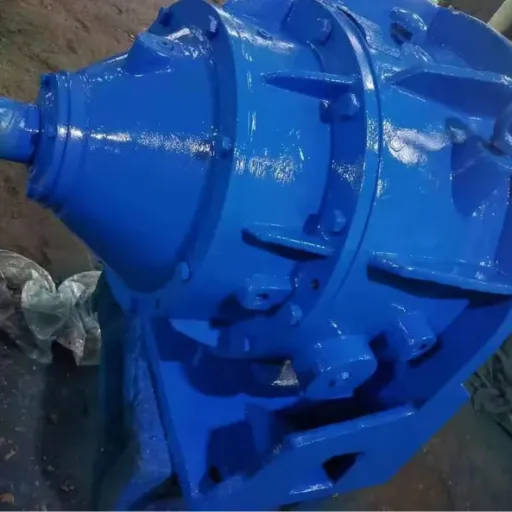
Proper maintenance extends service life and prevents costly unplanned downtime. Follow these best practices for high torque planetary reducers.
Monitor Oil Condition
Lubricant protects gears and bearings under high contact stress. Check oil levels regularly and change oil according to the manufacturer's recommendations. Use the correct viscosity and additive package for your operating temperature.
Check Vibration and Temperature
Install vibration and temperature sensors if possible. Rising vibration or temperature can indicate bearing wear, misalignment, or lubrication problems. Address these signs early.
Inspect Seals and Breathers
Damaged seals allow contamination into the gearbox, causing abrasive wear. Ensure breathers are clear to prevent pressure buildup inside the housing.
Verify Alignment Periodically
Foundation settling, coupling wear, and load changes can affect alignment. Re-check alignment during scheduled maintenance.
Keep Spare Parts Available
For critical applications, keep recommended spare parts on site. Planet bearings, seals, and lubricant are common items that can prevent long shutdowns.
High Torque Planetary Reducer vs. Other Heavy-Duty Reducers
Engineers sometimes compare high torque planetary reducers to bevel-cylindrical reducers or large parallel-shaft units. The right choice depends on the application priorities.
| Feature | High Torque Planetary Reducer | Heavy-Duty Cylindrical Reducer |
|---|---|---|
| Torque density | Very high | Moderate |
| Size for same torque | Compact | Larger |
| Efficiency | High, often above 97% per stage | Good to high |
| Shock-load capacity | Excellent with proper service factor | Good |
| Maintenance access | More complex | Easier |
| Mounting | Inline coaxial | Parallel shafts |
| Best applications | Space-constrained, high torque | Serviceability-critical drives |
Choose a high torque planetary reducer when space is limited, torque is high, and the application can accept the maintenance access requirements. Choose a heavy-duty cylindrical reducer when field serviceability and simpler maintenance are more important than compact size.
At Jiangsu Manqi Machinery, we manufacture both high torque planetary reducers and heavy-duty cylindrical reducers. If you are unsure which type fits your application, send us your requirements and our engineers will recommend the most suitable solution.
Frequently Asked Questions About High Torque Planetary Reducers
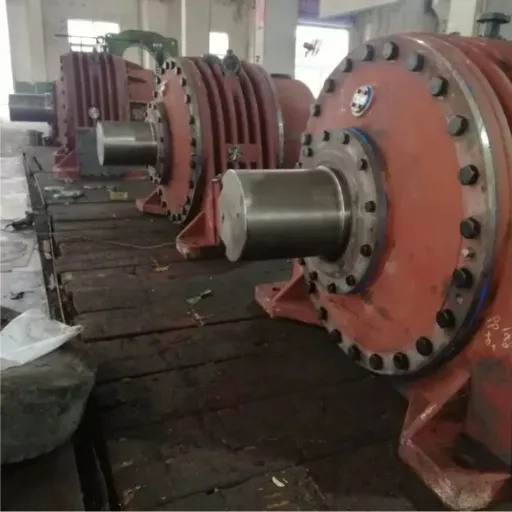
What is a high torque planetary reducer?
A high torque planetary reducer is a compact gearbox that uses a sun gear, planet gears, and ring gear to distribute heavy loads across multiple mesh points. It is designed for applications requiring high output torque in a small installation space.
What industries use high torque planetary reducers?
High torque planetary reducers are used in mining, cement, material handling, lifting, construction, marine, and heavy industrial manufacturing where severe loads and continuous duty are common.
How do I size a high torque planetary reducer?
Size a high torque planetary reducer by calculating the required output torque, peak torque, output speed, service factor, and operating environment. Share these details with the manufacturer for a technical recommendation.
What is the service factor for a high torque planetary reducer?
Service factors for high torque planetary reducers typically range from 1.5 to 2.5 for heavy-duty applications. Severe shock loads or frequent starts may require higher values.
How efficient is a high torque planetary reducer?
Single-stage high torque planetary reducers often exceed 97% efficiency. Multi-stage designs are slightly less efficient but still perform well compared to other high-ratio drive types.
Can high torque planetary reducers be customized?
Yes. Manufacturers can customize shaft arrangements, flange sizes, mounting orientations, bearing selections, sealing systems, and cooling options to fit specific high torque applications.
Conclusion
A high torque planetary reducer is one of the most effective ways to deliver heavy torque in a compact industrial drive. Its sun-planet-ring gear layout shares load across multiple mesh points, giving it higher torque density, better shock-load capacity, and a smaller footprint than most parallel-shaft alternatives. For mining conveyors, crushers, cranes, winches, and large mixers, selecting the right high torque planetary reducer can mean the difference between reliable operation and costly downtime.
Selection depends on real torque requirements, service factor, bearing life, thermal limits, mounting, and environment. Working with an experienced manufacturer ensures you receive a reducer that is properly sized and built for your duty cycle.
At Jiangsu Manqi Machinery, we manufacture NAD, NBD, NCD, NBZD, and NCZD high torque planetary reducers from our facility in Taixing City. If you need help selecting a high torque planetary reducer for your application, contact our engineering team with your specifications and we will provide a technical recommendation and quotation.
Recently Posted
-
NGW Planetary Gear Reducer: A Selection Guide for Compact High-Torque Drives
July 30, 2026An NGW planetary gear reducer is a single-stage epicyclic gearbox that uses a central sun gear, planet gears, and an internal ring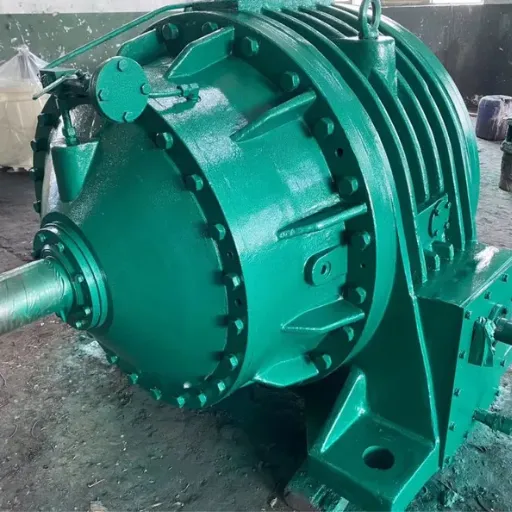 Read More
 -
Heavy Duty Planetary Reducer: A Guide for High-Torque Industrial Drives
July 30, 2026A heavy duty planetary reducer is the right choice when you need high output torque, shock-load capacity, and a compact footprint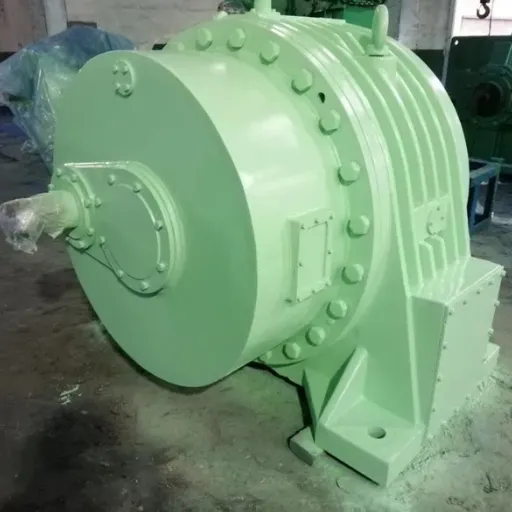 Read More
 -
Planetary Gear Motor: A Complete Engineer's Guide to Selection and Application
July 30, 2026A planetary gear motor is a compact drive solution that pairs a planetary gear reducer with an electric motor to deliver high outp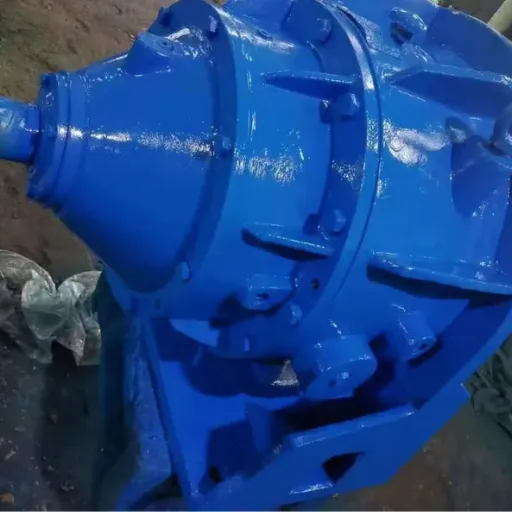 Read More
 -
Planetary Gearbox: A Complete Engineering Guide to Types, Applications, and Selection
July 30, 2026A planetary gearbox is a compact speed reducer that uses a central sun gear, multiple planet gears, and an outer ring gear to dist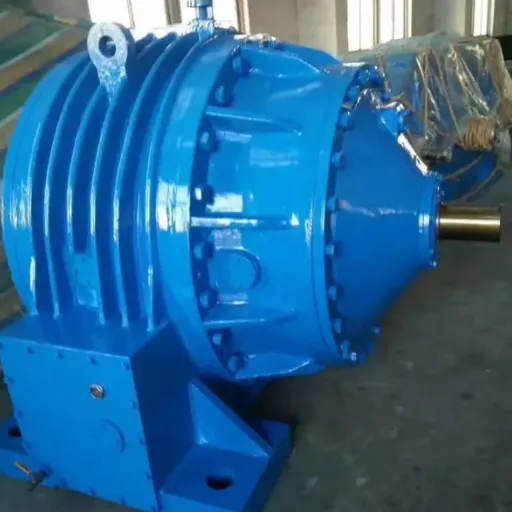 Read More

Contact Us
Recommended Products
-
 Kf127 Series Helical-Bevel Gear Motors for Industrial Power TransmissionNegotiableMOQ: 1 Set
 -
H1SH11 Modular Gearbox for Coal Mining Machinery With Cast Steel Housing and Mill Test ReportNegotiableMOQ: 1 Set
-
NGW101 Planetary Gear Reducer With Integral Flange Mount, 40Nm TorqueNegotiableMOQ: 1 Piece
-
Shanghai Dongfang DFSS400-520/4 Industrial Centrifugal Pump Wear RingNegotiableMOQ: 10 Pieces
-
SLOW300-550 High Hardness Shaft Bushing Spare Parts Matching Shanghai Liancheng Water Pump AccessoriesNegotiableMOQ: 1 Piece

-
Shanghai Kaiquan KQSN300-X13A/390 Original Pump Seal Ring Spare PartNegotiableMOQ: 10 Pieces
-
Shanghai Dongfang IHH100-65-250 Chemical Pump Anti-Corrosion Seal RingNegotiableMOQ: 10 Pieces
-
Shanghai Dongfang DFSS600-24N/6 Wear Spare Ring for DFSS Water PumpNegotiableMOQ: 10 Pieces
-
Coaxial Parallel Shaft Gearbox Systems With Right Angle Spiral Bevel Helical Gear MotorsNegotiableMOQ: 1 Set
-
ZS125 Cylindrical Gear Reducer for Industrial Mixing ApplicationsNegotiableMOQ: 100 Sets
-
ZLY224 Cylindrical Gear Reducer With Hardened Steel Gears and 224mm Center DistanceNegotiableMOQ: 1 Piece
-
R87 Compact Inline Gear Motor Low Noise for Conveyor EquipmentNegotiableMOQ: 1 Set
-
NGW93 High Efficiency Low Vibration Planetary Gear Reducer For Machinery DriveNegotiableMOQ: 1 Piece
-
H1SH11 Modular Gear Reducers for CNC Machine IntegrationNegotiableMOQ: 1 Set
-
Gearmotor Converter System R/F/K/S Series Coaxial Parallel Shaft Gearbox Spiral Bevel MotorNegotiableMOQ: 1 Set
-
G3 Series Flange Mounted Helical Gear Motor Speed Reducer With Bevel GearboxNegotiableMOQ: 1 Set
-
Industrial Mixer Drive Solution With F Series Parallel Shaft Geared Motors F57 to F97NegotiableMOQ: 1 Set
-
Parallel Shaft Speed Reducer F Series, Models F57 F67 F77 F87 F97, IP55 Protection RatedNegotiableMOQ: 1 Set
-
Parallel Shaft Geared Motor F Series, F57-F97 With C-face Input Flange, 220V/380V OptionsNegotiableMOQ: 1 Set
-
Industrial ZSY630 Cylindrical Gear Reducer For Industrial Transmission EquipmentNegotiableMOQ: 1 Piece