Business License

MBY Series Ball Mill Reducer: A Practical Buyer's Guide
The MBY series ball mill reducer is the standard edge-drive reducer for cement, raw meal, and coal mills. When you buy one, you are really choosing a model size, a service factor, and a manufacturer you can trust for the next decade of continuous duty.
Most buyers start with a failed or aging unit and a deadline. In early 2025, a procurement manager named Daniel at a cement plant in Kazakhstan faced exactly that. His MBY630 was showing rising vibration, and the original supplier had stopped supporting the model. He needed a dimensionally compatible replacement within eight weeks, or the mill would sit idle through the peak season. What he learned about reading the model designation, confirming the footprint, and vetting a new supplier is what this guide shares with you.
If you are sourcing an MBY series ball mill reducer for the first time, or replacing an existing one, you will learn how to read the model lineup, match a unit to your mill, evaluate replacement compatibility, and judge whether a manufacturer deserves your order. We already published a detailed MBY ball mill reducer specifications and selection guide; this article picks up where that one leaves off, on the buying side.
Key Takeaways
The MBY series is an edge-drive ball mill reducer family; the number in the model name signals frame size and torque class.
Buy on output torque and service factor, not motor power alone. Ball mill service factors typically run 1.5 to 2.5.
For replacements, dimensional equivalence (center height, shaft sizes, bolt pattern) matters as much as torque rating.
A trustworthy manufacturer provides material and heat-treatment certificates, inspection reports, and drawing approval before production.
Total cost of ownership, not unit price, separates a good MBY reducer purchase from an expensive mistake.
What the MBY Series Designation Tells You
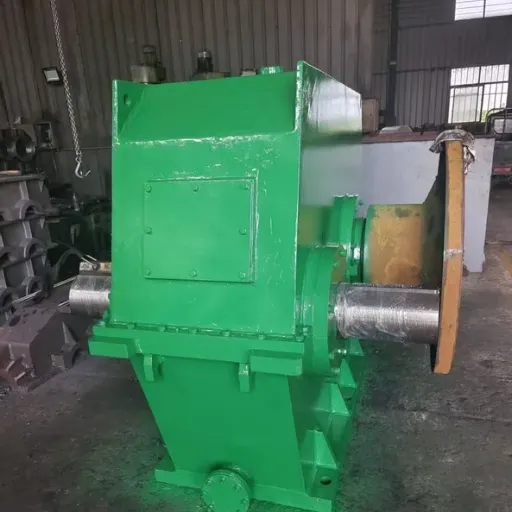
Before you compare quotes, learn to read the model name. "MBY" is a Chinese standard designation for an edge-drive ball mill reducer. The digits that follow indicate the frame size, which correlates with output torque capacity.
Larger numbers mean a bigger, higher-torque unit. An MBY400 is a small-frame reducer for modest mills. An MBY710 is a heavy unit for large mining or cement mills. When you request a quote, the model number is the fastest way to confirm you and the supplier are discussing the same class of machine.
Two buyers can both say "I need an MBY reducer" and mean very different things. Always state the full model, the required reduction ratio, and the motor power together. That combination removes most quoting errors before they happen.
Want a fast, accurate quote? Send our engineers your model, ratio, and motor power, and we will confirm the right MBY series unit for your mill.
The MBY Series Model Lineup
The MBY series covers a range of frame sizes for different mill capacities. Exact ratings vary by manufacturer and design revision, so treat the figures below as orientation, not gospel. Always confirm current data on the supplier's specification sheet.
| Model | Typical Motor Power | Approx. Output Torque | Typical Mill Application |
|---|---|---|---|
| MBY400 | 200-400 kW | 60,000-120,000 Nm | Small cement and raw meal mills |
| MBY560 | 400-800 kW | 120,000-250,000 Nm | Mid-size cement and coal mills |
| MBY630 | 800-1,250 kW | 250,000-400,000 Nm | Large cement mills, mining ball mills |
| MBY710 | 1,250-2,000 kW | 400,000-650,000 Nm | Heavy mining and large cement mills |
You may also encounter the MBYX series. The "X" marks a design variant, often with a modified shaft arrangement, housing dimensions, or auxiliary features. In most plants, MBY and MBYX serve the same edge-drive role; the mill builder's drawing decides which fits.
If your mill uses a center-drive layout instead of edge drive, the MBY series is the wrong family entirely. Center-drive mills use the JDX series mill reducer, built for the heavy radial and axial loads at the drum center. Confirming your drive arrangement is the single most important step before you buy.
How to Match an MBY Reducer to Your Mill
Buying the right MBY series ball mill reducer comes down to three numbers: output torque, service factor, and reduction ratio. Get these right and the rest is fit and finish.
Start with output torque
Output torque is the load the reducer must deliver at the drum. Calculate it from power and speed:
T = (9550 × P) / n
Here T is torque in Nm, P is power in kW, and n is output speed in rpm. A mill driven by an 800 kW motor at 20 rpm needs roughly 382,000 Nm at the drum, before any safety margin. That points you toward the MBY630 class.
Apply the service factor
Ball mills are not steady machines. Media impacts, feed variation, and high starting torque all stress the drive. The service factor covers that reality. For mill duty, expect 1.5 to 2.5.
A maintenance engineer in Indonesia put it plainly: "A slightly larger reducer is always cheaper than a weekend shutdown." When your calculated torque sits near the top of a model's range, step up one frame size. The extra margin protects gears and bearings and absorbs process upsets.
Confirm the reduction ratio
Mill drums turn slowly, usually 12 to 25 rpm. Motors run at 740, 990, or 1,480 rpm. The total reduction, often split between the MBY reducer and a pinion-girth gear stage, must bridge that gap. State your required drum speed and motor speed in every inquiry so the supplier can confirm the ratio.
Replacing an Existing MBY Reducer
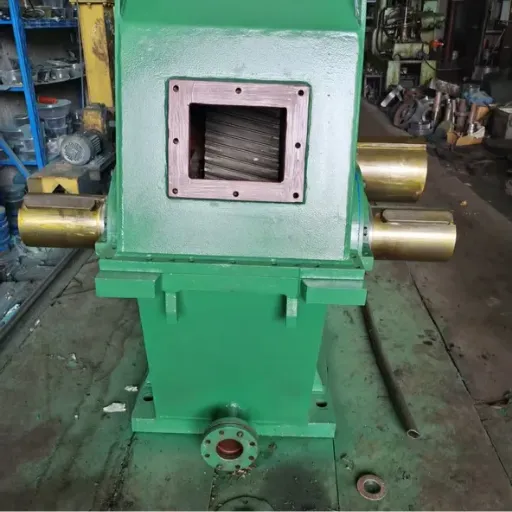
Replacement is where most buyers feel the pressure. You have a failed unit, a deadline, and a strong preference to avoid re-engineering the foundation. Dimensional equivalence is your friend.
Before you order, verify these against the original nameplate and drawings:
Center height and base bolt pattern
Input shaft diameter, length, and keyway
Output shaft diameter, length, and keyway
Overall footprint and maintenance clearance
This is exactly the trap Daniel in Kazakhstan avoided. His original supplier was gone, so he sent the old reducer's drawings and nameplate photos to a new manufacturer. The factory confirmed a dimensionally matching MBY630 and provided approval drawings before cutting metal. The unit dropped onto the existing foundation with no modification, and the mill was back online inside his eight-week window.
Had he ordered on model number alone, a difference in center height or shaft keyway would have meant rework, delay, and lost production. For replacements, always share drawings, not just a model name.
What a Reliable MBY Reducer Manufacturer Provides
Two reducers can share a model number and differ wildly in what is inside. The manufacturer's process is what you are really buying. Here is what to demand before you sign.
Documentation
A credible supplier hands over proof, not promises. Ask for material certificates, heat-treatment records, and inspection reports. Key items include gear hardness and case depth, tooth contact pattern results, noise and vibration test data, and runout verification.
Construction quality
Mill reducers live in dust, heat, and shock. Look for case-hardened alloy steel gears in the HRC 58-62 range, precision-ground or shaved tooth profiles, high-capacity bearings sized for L10 life, and a rigid cast iron or welded steel housing. These details separate an industrial-grade MBY series reducer from a light-duty gearbox that will not survive a mill.
Drawing approval
For both standard and custom units, a good manufacturer provides dimensional drawings for your approval before production. This single step prevents most fit and interface problems. If a supplier resists drawing approval, treat it as a red flag.
Support and spares
Confirm after-sales support for installation and commissioning, and ask whether spare parts are available for the series. A reducer you cannot service or source parts for becomes a liability the day something wears.
You can review the breadth of a manufacturer's range and quality approach in their gear reducer catalog. A broad, well-documented catalog is itself a signal of manufacturing depth.
Price, Lead Time, and Total Cost of Ownership
Unit price is the number everyone asks for first. It is also the least useful number on its own. A cheaper MBY reducer that wears early, runs hot, or lacks parts support costs far more over its life than a well-built unit.
Think in total cost of ownership. Factor in:
Purchase price and shipping
Installation and commissioning effort
Lubrication, maintenance, and spare parts
Expected service life and downtime risk
A cement plant that loses a mill for an unplanned week can burn more in lost output than the entire reducer cost. Buyers who weigh service life and downtime alongside price almost always choose the better-built unit. For a sense of how reducer quality and pricing interact at the factory level, see how a dedicated gear reducer factory structures production and inspection.
Lead time matters too. Standard MBY models usually ship faster than custom units. If your schedule is tight, say so early and ask the manufacturer to prioritize. A responsive supplier will tell you honestly what they can and cannot meet.
Ready to compare real numbers? Request a quote with your model, ratio, and delivery requirements, and we will respond with pricing and a realistic lead time.
Frequently Asked Questions
What is an MBY series ball mill reducer used for?
The MBY series is an edge-drive ball mill reducer used to drive cement mills, raw meal mills, coal mills, and mining ball mills. It converts high-speed motor rotation into the low-speed, high-torque output a mill drum needs under continuous duty.
How do I choose the right MBY model size?
Choose by output torque and service factor, not motor power alone. Calculate required torque from power and drum speed, apply a service factor of 1.5 to 2.5, and select the frame size that covers the result with margin. When in doubt, step up one size.
Can I replace an old MBY reducer with a unit from a different manufacturer?
Yes, if the replacement is dimensionally equivalent. Verify center height, base bolt pattern, and input and output shaft dimensions against the original. Share drawings and nameplate data with the new manufacturer so they can confirm fit before production.
What is the difference between MBY and MBYX reducers?
Both are edge-drive mill reducers. The "X" denotes a design variant, usually a modified shaft arrangement, housing dimension, or auxiliary feature. The right choice depends on the mill builder's specified drive layout.
What documents should a manufacturer provide with an MBY reducer?
Expect material and heat-treatment certificates, tooth contact pattern results, noise and vibration test data, runout verification, and dimensional approval drawings. These confirm the reducer was built and inspected to industrial grade.
How long does it take to get an MBY reducer?
Standard catalog models typically ship faster than custom units. Custom or non-standard reducers take longer, depending on complexity and the production schedule. A reliable manufacturer gives you an estimated delivery date with the quotation.
Conclusion
Buying an MBY series ball mill reducer is a decision you will live with for years of continuous duty. Get the model size right by working from output torque and service factor. For replacements, insist on dimensional equivalence and share your drawings. And choose a manufacturer who proves quality with certificates, inspection reports, and drawing approval, not just a low price.
The cheapest quote is rarely the cheapest reducer. Weigh service life, parts support, and downtime risk alongside price, and the right choice becomes clear.
At Jiangsu Manqi Machinery, we manufacture MBY, MBYX, JDX, ZD, and custom mill reducers from our facility in Taixing City. Whether you need a standard replacement or a unit engineered to your drawings, our team reviews your mill parameters and recommends the right solution.
Ready to buy your MBY series ball mill reducer? Contact our engineering team with your model, reduction ratio, motor power, and delivery needs, and we will provide a technical recommendation and quotation.
Recently Posted
-
NGW Planetary Gear Reducer: A Selection Guide for Compact High-Torque Drives
July 30, 2026An NGW planetary gear reducer is a single-stage epicyclic gearbox that uses a central sun gear, planet gears, and an internal ring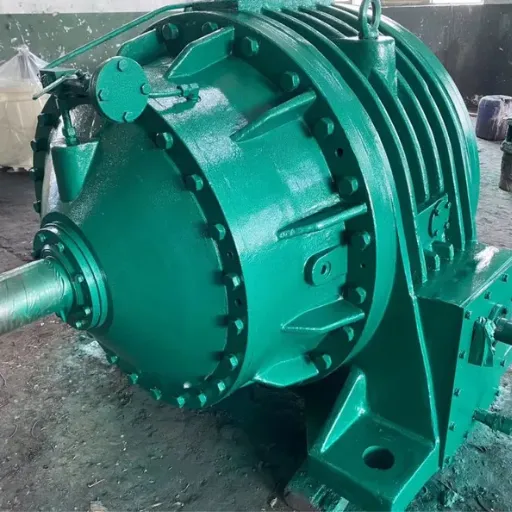 Read More
 -
Heavy Duty Planetary Reducer: A Guide for High-Torque Industrial Drives
July 30, 2026A heavy duty planetary reducer is the right choice when you need high output torque, shock-load capacity, and a compact footprint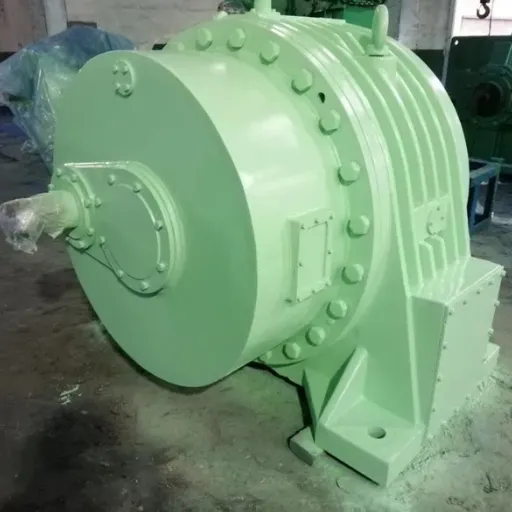 Read More
 -
Planetary Gear Motor: A Complete Engineer's Guide to Selection and Application
July 30, 2026A planetary gear motor is a compact drive solution that pairs a planetary gear reducer with an electric motor to deliver high outp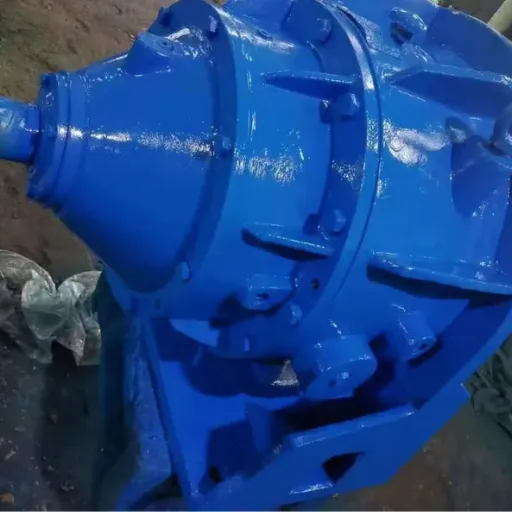 Read More
 -
High Torque Planetary Reducer: A Selection Guide for Heavy-Duty Industrial Drives
July 30, 2026A high torque planetary reducer is a compact drive system that distributes heavy loads across multiple planet gears meshing with a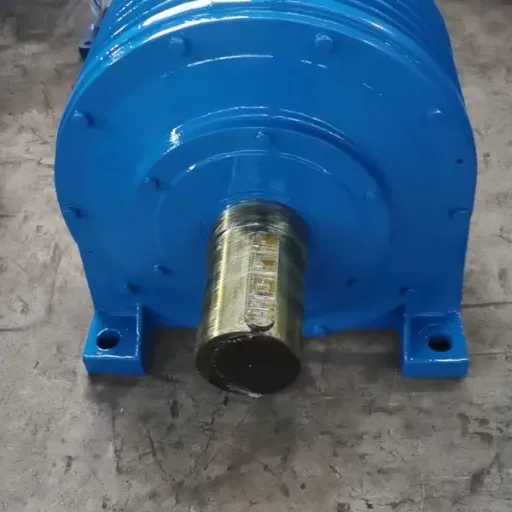 Read More

Contact Us
Recommended Products
-
 Kf127 Series Helical-Bevel Gear Motors for Industrial Power TransmissionNegotiableMOQ: 1 Set
 -
H1SH11 Modular Gearbox for Coal Mining Machinery With Cast Steel Housing and Mill Test ReportNegotiableMOQ: 1 Set
-
NGW101 Planetary Gear Reducer With Integral Flange Mount, 40Nm TorqueNegotiableMOQ: 1 Piece
-
Shanghai Dongfang DFSS400-520/4 Industrial Centrifugal Pump Wear RingNegotiableMOQ: 10 Pieces
-
SLOW300-550 High Hardness Shaft Bushing Spare Parts Matching Shanghai Liancheng Water Pump AccessoriesNegotiableMOQ: 1 Piece
-
Shanghai Kaiquan KQSN300-X13A/390 Original Pump Seal Ring Spare PartNegotiableMOQ: 10 Pieces
-
Shanghai Dongfang IHH100-65-250 Chemical Pump Anti-Corrosion Seal RingNegotiableMOQ: 10 Pieces
-
Shanghai Dongfang DFSS600-24N/6 Wear Spare Ring for DFSS Water PumpNegotiableMOQ: 10 Pieces
-
Coaxial Parallel Shaft Gearbox Systems With Right Angle Spiral Bevel Helical Gear MotorsNegotiableMOQ: 1 Set
-
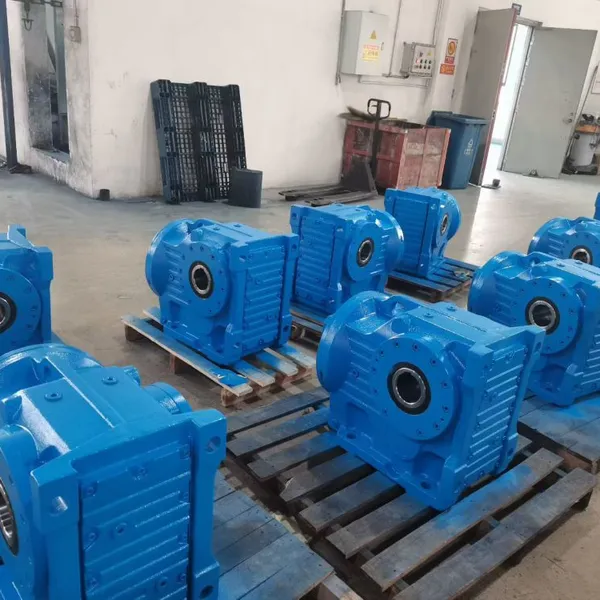
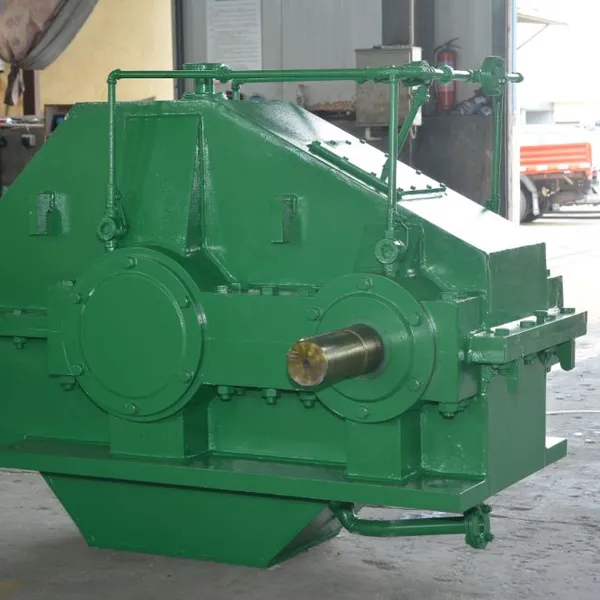
ZS125 Cylindrical Gear Reducer for Industrial Mixing ApplicationsNegotiableMOQ: 100 Sets
-
ZLY224 Cylindrical Gear Reducer With Hardened Steel Gears and 224mm Center DistanceNegotiableMOQ: 1 Piece
-
R87 Compact Inline Gear Motor Low Noise for Conveyor EquipmentNegotiableMOQ: 1 Set
-
NGW93 High Efficiency Low Vibration Planetary Gear Reducer For Machinery DriveNegotiableMOQ: 1 Piece
-
H1SH11 Modular Gear Reducers for CNC Machine IntegrationNegotiableMOQ: 1 Set
-
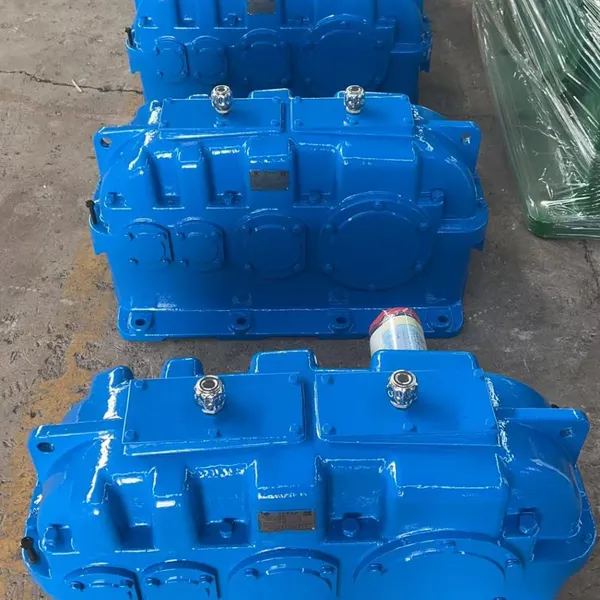
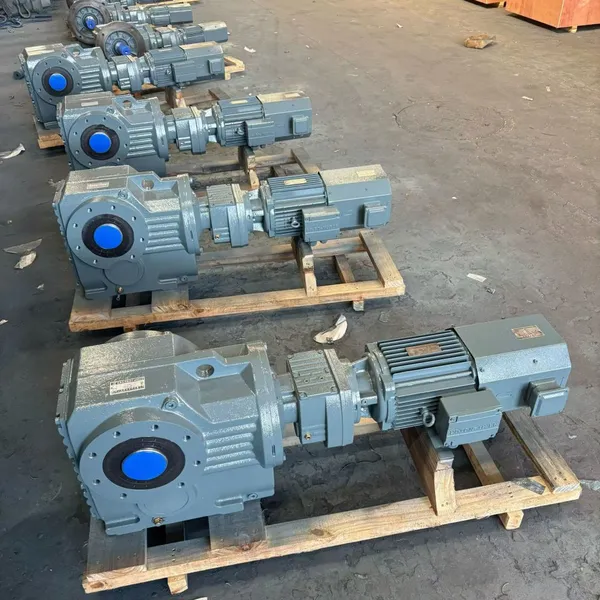
Gearmotor Converter System R/F/K/S Series Coaxial Parallel Shaft Gearbox Spiral Bevel MotorNegotiableMOQ: 1 Set
-
G3 Series Flange Mounted Helical Gear Motor Speed Reducer With Bevel GearboxNegotiableMOQ: 1 Set
-
Industrial Mixer Drive Solution With F Series Parallel Shaft Geared Motors F57 to F97NegotiableMOQ: 1 Set
-
Parallel Shaft Speed Reducer F Series, Models F57 F67 F77 F87 F97, IP55 Protection RatedNegotiableMOQ: 1 Set
-
Parallel Shaft Geared Motor F Series, F57-F97 With C-face Input Flange, 220V/380V OptionsNegotiableMOQ: 1 Set
-
Industrial ZSY630 Cylindrical Gear Reducer For Industrial Transmission EquipmentNegotiableMOQ: 1 Piece