Business License

OEM Gear Reducer Manufacturer: How to Choose the Right Partner for Your Equipment
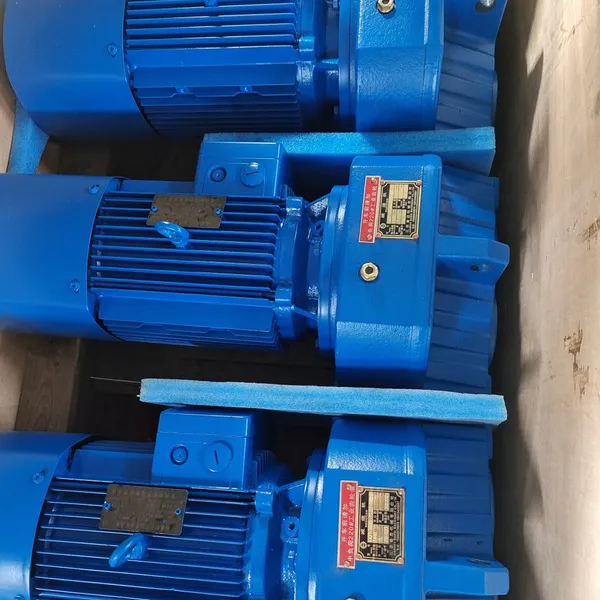
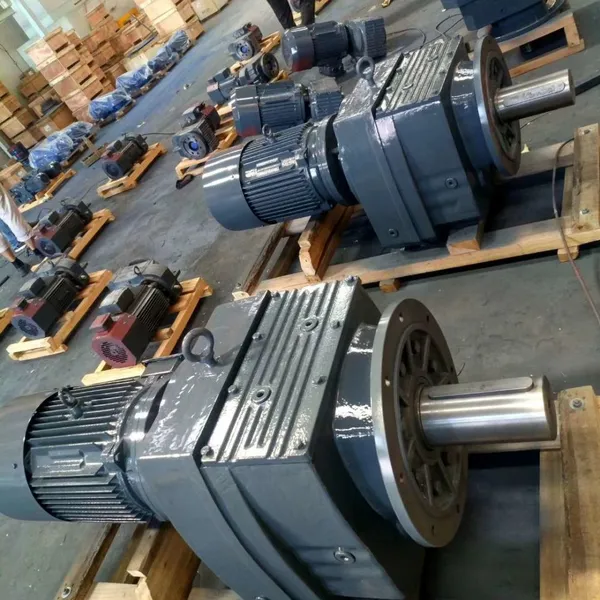
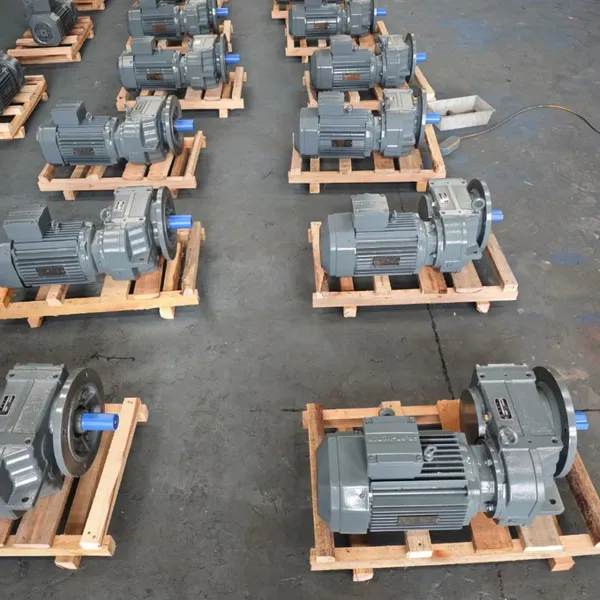
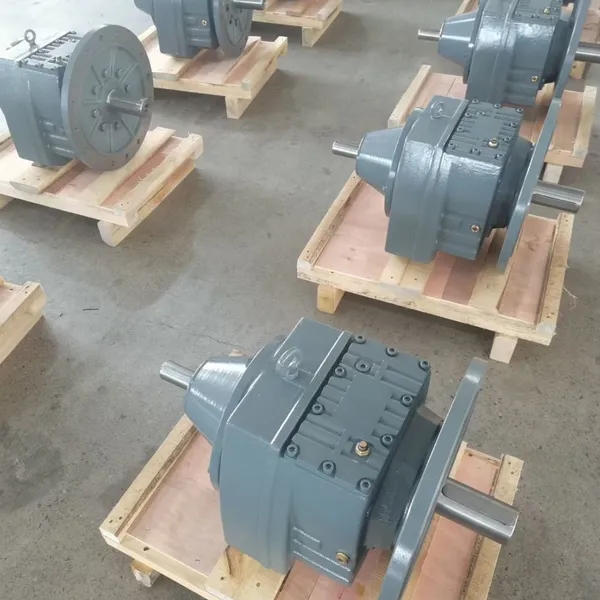
An OEM gear reducer manufacturer designs and produces gearboxes that equipment builders integrate directly into their machinery. The right partner supplies more than a catalog part; they provide engineering collaboration, custom mounting configurations, and consistent quality across production batches.
But not every reducer factory is built for OEM work. Some excel at standard replacements but struggle with drawing-based customization. Others offer low prices but lack the inspection discipline that OEMs need. Choosing poorly can delay your product launch, increase warranty claims, or force a costly supplier change mid-production.
This guide explains what OEM gear reducer manufacturing involves, how to evaluate potential partners, and what the custom development process looks like from first drawing to serial production.
Key Takeaways
An OEM gear reducer manufacturer engineers reducers to your equipment's exact torque, mounting, and interface requirements, not just catalog dimensions.
Look for a partner with R&D capability, drawing approval workflows, material certification, and structured inspection processes.
Custom OEM reducers are common in mining, cement, lifting, material handling, and construction machinery where standard units do not fit.
The development process typically moves from requirement review to proposal, drawing approval, prototype or pilot batch, and then serial production.
Total cost of ownership matters more than unit price; quality failures and logistics delays usually cost more than the initial savings.
What Does an OEM Gear Reducer Manufacturer Do?
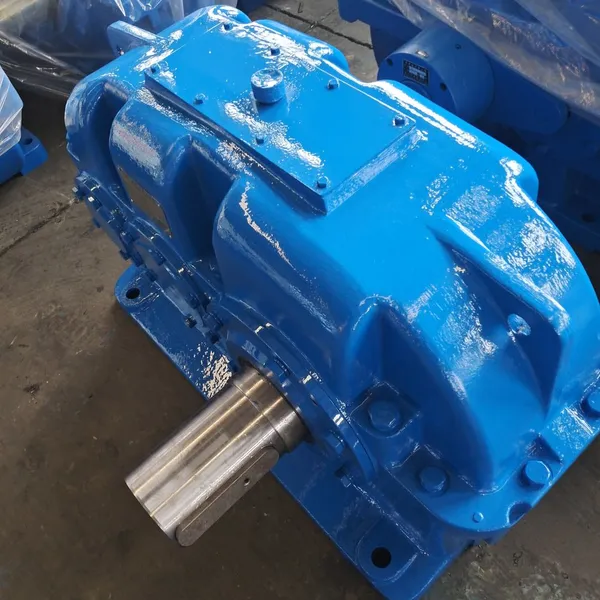
An Original Equipment Manufacturer (OEM) gear reducer manufacturer supplies gearboxes that become part of another company's finished machine. Instead of selling only to end users who need replacement units, the manufacturer works with equipment builders during the design and production phases.
This relationship differs from standard reducer supply in three ways:
Design collaboration: The manufacturer reviews your torque, speed, mounting, and environmental requirements, then proposes a gearbox architecture that fits your machine.
Custom interfaces: Output shafts, flanges, bolt patterns, and housing dimensions are tailored to your equipment rather than forcing you to adapt to a catalog unit.
Production consistency: OEM suppliers maintain process controls so that each batch matches the approved drawings and performance specifications.
For example, a crane manufacturer might need a QY series reducer with a modified output shaft and special mounting feet to fit a new trolley design. An OEM gear reducer manufacturer can engineer that variation and produce it repeatedly.
At Jiangsu Manqi Machinery, we support OEM customers with standard series adaptations and fully custom designs. Our engineering team reviews customer drawings and operating conditions before proposing a solution, and we provide approval drawings before production begins.
Want to discuss whether a custom reducer fits your equipment? Contact our engineering team with your requirements and we will review whether our capabilities match your project.
Why OEMs Need Custom Reducer Solutions
Standard reducers work well when the equipment matches common industrial layouts. But many OEM machines have space constraints, unusual load profiles, or integration requirements that make catalog units impractical.
Space and Mounting Constraints
Compact machinery often cannot accommodate the footprint or shaft orientation of a standard reducer. A planetary gear reducer might be the right technology, but the flange pattern or overall length may need adjustment to fit the frame.
Special Load Profiles
Some applications produce shock loads, frequent starts and stops, or reversing torque that exceeds the duty assumptions behind standard ratings. Customizing the service factor, bearing selection, or tooth hardness can prevent premature failure.
Brand and Service Differentiation
OEMs sometimes want reducers labeled for their own brand, packaged with specific documentation, or prepared with sensor mounting points for predictive maintenance. A manufacturer that supports OEM workflows can accommodate these requests.
"When Elena, a project engineer at a Eastern European lifting equipment company, redesigned her company's overhead crane line in 2024, she discovered that the standard QY reducer footprint conflicted with the new trolley frame. The catalog unit would have forced her to enlarge the frame, adding 12% to the steel cost. She contacted Jiangsu Manqi Machinery with her drawings. We proposed a QY variant with a shortened housing and relocated mounting feet. The modified reducer fit the frame without redesign, and the crane line launched on schedule."
How to Evaluate an OEM Gear Reducer Manufacturer
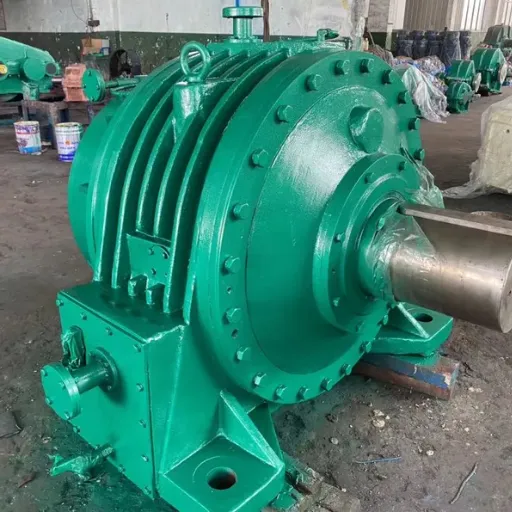
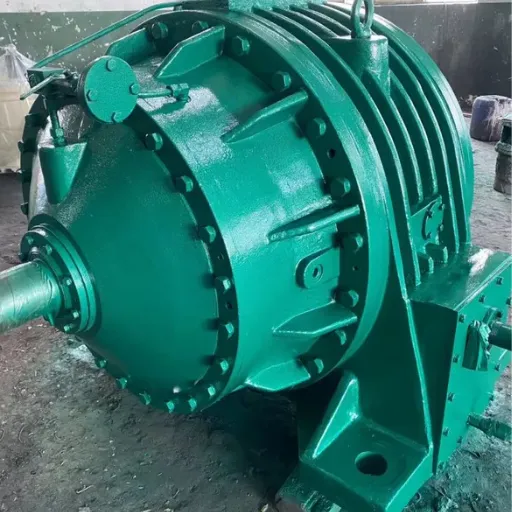
Selecting an OEM partner requires due diligence beyond price and catalog breadth. Here are the factors that separate capable OEM suppliers from general trading companies or small workshops.
Engineering and R&D Capability
Ask whether the manufacturer has a dedicated R&D team and experience with custom designs. Can they review your drawings, identify potential issues, and propose alternatives? Do they use modern design software and tooth contact analysis?
A strong OEM partner will ask questions about your operating conditions, duty cycle, and failure modes before quoting.
Manufacturing Equipment and Processes
Verify that the supplier controls critical processes in-house:
Gear cutting and shaping
Heat treatment and case hardening
Precision grinding or shaving
Housing machining
Assembly and inspection
Outsourcing some steps is normal, but the manufacturer should control the core processes and have documented quality checkpoints.
Quality System and Inspection
OEM work demands repeatability. Ask what inspection each reducer undergoes. Typical checks include:
Material certificates for gears and shafts
Gear contact pattern verification
Noise and vibration testing
Bearing temperature checks
Runout and dimensional inspection
At Jiangsu Manqi Machinery, each reducer undergoes multi-stage quality inspection before shipment. We also welcome customer or third-party inspection.
Drawing Approval Process
A formal drawing approval workflow protects both parties. The manufacturer should provide dimensional drawings, material specifications, and performance data for your approval before cutting metal.
Export and Logistics Experience
If you are sourcing from overseas, confirm that the supplier understands export packaging, documentation, and shipping. A manufacturer located near a major port can simplify logistics.
Our facility in Taixing City, Jiangsu Province, has convenient access to Shanghai port, which supports efficient global shipping.
Common OEM Reducer Applications
Custom and OEM reducers appear across many industrial sectors. Here are the most common applications where standard catalog units fall short.
Mining and Cement Equipment
Ball mills, crushers, rotary kilns, and conveyors operate under heavy continuous loads with high shock potential. OEMs often need mill reducers with specific shaft arrangements, reinforced housings, or ratios not found in standard series. Our MBY, MBYX, and JDX series ball mill reducers can be adapted for these exact conditions.
Lifting and Crane Machinery
Cranes, hoists, and winches require compact, shock-resistant reducers with safety margins above typical industrial ratings. QY series lifting reducers are frequently customized for trolley drive, hoist drive, and gantry applications.
Construction Machinery
Concrete mixers, batching plants, and material handling equipment need reducers that survive dust, vibration, and intermittent overload. Custom shaft seals, mounting positions, and lubrication arrangements are common.
Material Handling and Conveyors
Belt conveyors, bucket elevators, and screw conveyors use cycloidal reducers, motorized pulleys, and cylindrical gear reducers. OEMs often request special output shaft lengths, flange adaptations, or motor coupling interfaces.
Explore our full gear reducer catalog to see the standard series we customize for OEM applications.
The Custom Reducer Development Process
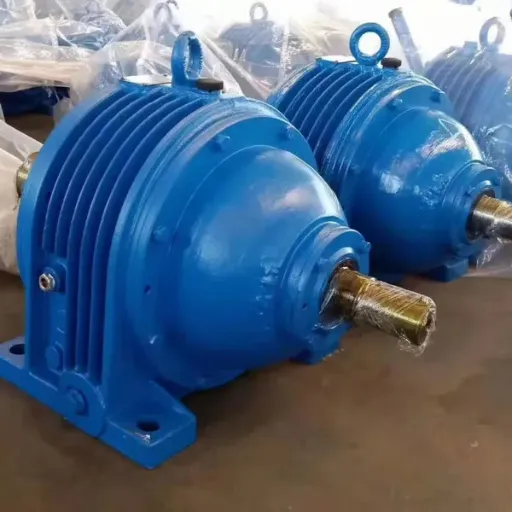
A well-managed OEM project follows a clear sequence from concept to serial supply. Understanding this process helps you plan timelines and avoid surprises.
Step 1: Requirement Review
Share your equipment parameters: required output torque or motor power, input and output speed, reduction ratio, mounting position, ambient conditions, and any dimensional constraints. Also provide relevant drawings or samples.
Step 2: Technical Proposal
The engineering team evaluates feasibility and proposes a reducer type, size, material specification, and heat treatment plan. This stage may include ratio optimization or alternative configurations.
Step 3: Drawing Approval
The manufacturer issues dimensional and interface drawings for your review. You confirm shaft dimensions, bolt patterns, mounting orientation, and other critical details before production begins.
Step 4: Prototype or Pilot Batch
For new designs, a prototype or small pilot batch validates fit, performance, and noise levels. This step is especially important for high-volume OEM programs.
Step 5: Serial Production
Once the design is approved, the manufacturer scales to your forecast. Consistent process control, material traceability, and inspection ensure that each unit matches the approved sample.
"In early 2025, a Southeast Asian conveyor OEM named Arif needed 200 customized cycloidal reducers for a new sorting line. The standard BWY housing interfered with his frame rails. We developed a variant with a narrower housing and dual output shafts, produced five prototypes for validation, and then delivered the full batch over eight weeks. Arif's line entered service without field modifications."
OEM Reducer Quality and Compliance Considerations
Quality expectations for OEM reducers are higher than for general replacement units because a failure can affect your machine's warranty and reputation.
Material and Heat Treatment Standards
Ask about gear material grades, hardness specifications, and heat treatment processes. Case-hardened alloy steel gears with HRC 58-62 tooth hardness are common for heavy-duty applications. Material certificates should be available on request.
Dimensional and Performance Consistency
For OEM production, dimensional tolerance and performance consistency matter as much as absolute ratings. Confirm how the manufacturer controls batch-to-batch variation and what sampling plan they use.
Documentation and Traceability
OEM customers often need inspection reports, material certificates, assembly records, and serial numbers. A structured documentation system supports warranty claims and future maintenance.
Standards Compliance
Depending on your market, you may need compliance with ISO, AGMA, DIN, GB, or other standards. Clarify which standards the manufacturer can certify and whether third-party testing is available.
The American Gear Manufacturers Association (AGMA) publishes standards for gear quality, inspection, and rating that many OEMs reference when specifying reducers. International standards such as ISO 6336 cover load capacity calculations for spur and helical gears.
OEM Gear Reducer Pricing and Total Cost of Ownership
It is tempting to select the lowest quoted unit price, but OEM sourcing decisions should consider total cost of ownership.
Factors Beyond Unit Price
Engineering support: Does the supplier help optimize the design, or do they simply copy your drawing?
Quality cost: What is the cost of warranty claims, field failures, or reputation damage?
Logistics cost: How do packaging, shipping, duties, and inventory affect landed cost?
Lead time impact: Can the supplier meet your production schedule, or will delays idle your line?
When Custom Costs Less
In some cases, a custom reducer is actually less expensive than adapting a standard unit. If a catalog reducer requires expensive brackets, couplings, or frame modifications, a purpose-built gearbox can reduce the total machine cost.
Ready to compare total cost for your OEM reducer? Request a quote and our engineers will provide a proposal with drawings, specifications, and delivery timeline.
Frequently Asked Questions
What information does an OEM gear reducer manufacturer need?
Share your required output torque or motor power, input and output speeds, reduction ratio, mounting position, ambient conditions, and any dimensional constraints. Drawings or samples of the mating equipment are also helpful.
Can a reducer manufacturer produce to my drawings?
Yes. Capable OEM manufacturers accept customer drawings and specifications, review feasibility, and produce approval drawings before manufacturing. This is standard practice for non-standard reducer projects.
How long does custom reducer manufacturing take?
Lead time depends on design complexity, material availability, and current production load. Standard series adaptations are usually faster than fully custom designs. Ask for a clear timeline with each quotation.
What quality documentation should I request?
Request material certificates, heat treatment records, inspection reports, noise and vibration test data, and dimensional inspection sheets. Serial numbers and traceability records are valuable for OEM programs.
Are Chinese OEM gear reducer manufacturers reliable?
Many Chinese reducer manufacturers, especially those located in industrial clusters like Taixing, produce reliable equipment for global OEMs. Reliability depends on the individual manufacturer's engineering capability, quality system, and export experience. Factory audits and third-party inspection reduce risk.
Conclusion
Choosing the right OEM gear reducer manufacturer means finding a partner that can engineer to your equipment's requirements, maintain quality across batches, and support you through the full product lifecycle. Start by evaluating engineering capability, manufacturing control, inspection discipline, and drawing approval processes. Then weigh total cost of ownership rather than unit price alone.
At Jiangsu Manqi Machinery, we manufacture ball mill reducers, cylindrical reducers, planetary reducers, lifting machinery reducers, cycloidal reducers, and custom OEM gearboxes from our facility in Taixing City. Our engineering team works with equipment builders worldwide to develop reducers that fit specific torque, mounting, and environmental requirements.
Recently Posted
-
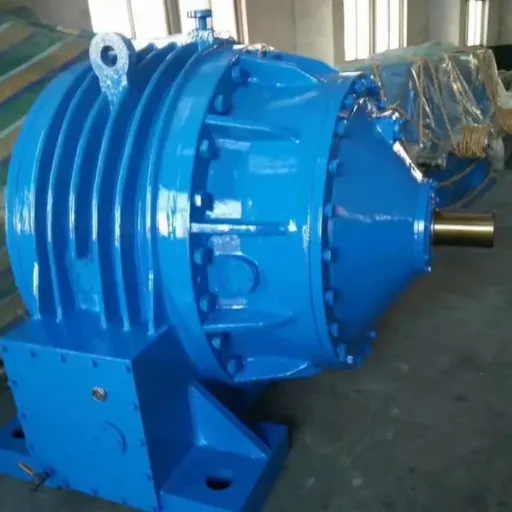
NGW Planetary Gear Reducer: A Selection Guide for Compact High-Torque Drives
July 30, 2026An NGW planetary gear reducer is a single-stage epicyclic gearbox that uses a central sun gear, planet gears, and an internal ring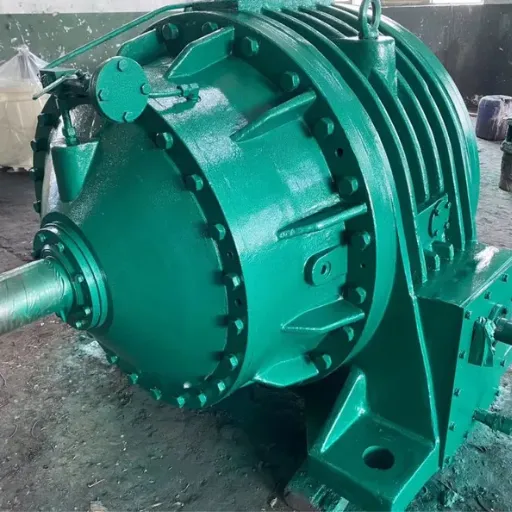 Read More
 -
Heavy Duty Planetary Reducer: A Guide for High-Torque Industrial Drives
July 30, 2026A heavy duty planetary reducer is the right choice when you need high output torque, shock-load capacity, and a compact footprint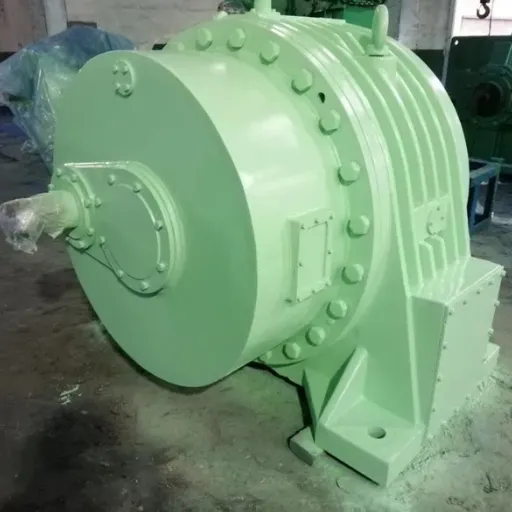 Read More
 -
Planetary Gear Motor: A Complete Engineer's Guide to Selection and Application
July 30, 2026A planetary gear motor is a compact drive solution that pairs a planetary gear reducer with an electric motor to deliver high outp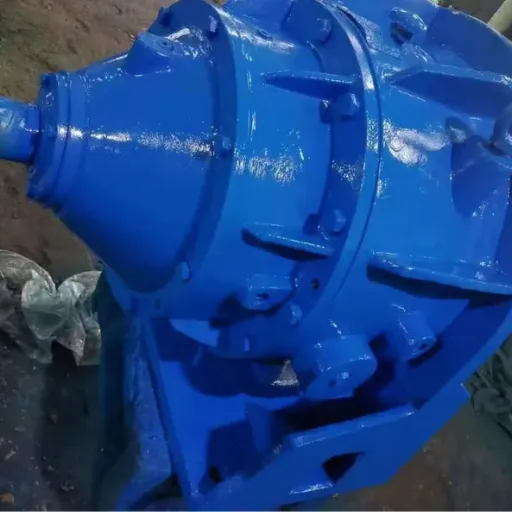 Read More
 -
High Torque Planetary Reducer: A Selection Guide for Heavy-Duty Industrial Drives
July 30, 2026A high torque planetary reducer is a compact drive system that distributes heavy loads across multiple planet gears meshing with a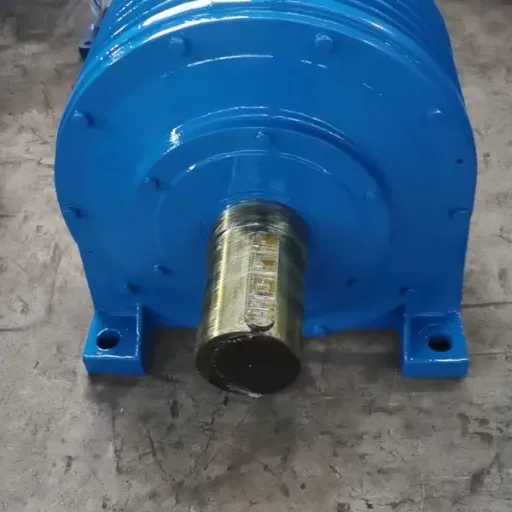 Read More

Contact Us
Recommended Products
-
 Kf127 Series Helical-Bevel Gear Motors for Industrial Power TransmissionNegotiableMOQ: 1 Set
 -
H1SH11 Modular Gearbox for Coal Mining Machinery With Cast Steel Housing and Mill Test ReportNegotiableMOQ: 1 Set
-
NGW101 Planetary Gear Reducer With Integral Flange Mount, 40Nm TorqueNegotiableMOQ: 1 Piece
-
Shanghai Dongfang DFSS400-520/4 Industrial Centrifugal Pump Wear RingNegotiableMOQ: 10 Pieces
-
SLOW300-550 High Hardness Shaft Bushing Spare Parts Matching Shanghai Liancheng Water Pump AccessoriesNegotiableMOQ: 1 Piece
-
Shanghai Kaiquan KQSN300-X13A/390 Original Pump Seal Ring Spare PartNegotiableMOQ: 10 Pieces
-
Shanghai Dongfang IHH100-65-250 Chemical Pump Anti-Corrosion Seal RingNegotiableMOQ: 10 Pieces
-
Shanghai Dongfang DFSS600-24N/6 Wear Spare Ring for DFSS Water PumpNegotiableMOQ: 10 Pieces
-
Coaxial Parallel Shaft Gearbox Systems With Right Angle Spiral Bevel Helical Gear MotorsNegotiableMOQ: 1 Set
-
ZS125 Cylindrical Gear Reducer for Industrial Mixing ApplicationsNegotiableMOQ: 100 Sets
-
ZLY224 Cylindrical Gear Reducer With Hardened Steel Gears and 224mm Center DistanceNegotiableMOQ: 1 Piece
-
R87 Compact Inline Gear Motor Low Noise for Conveyor EquipmentNegotiableMOQ: 1 Set
-
NGW93 High Efficiency Low Vibration Planetary Gear Reducer For Machinery DriveNegotiableMOQ: 1 Piece
-
H1SH11 Modular Gear Reducers for CNC Machine IntegrationNegotiableMOQ: 1 Set
-
Gearmotor Converter System R/F/K/S Series Coaxial Parallel Shaft Gearbox Spiral Bevel MotorNegotiableMOQ: 1 Set
-
G3 Series Flange Mounted Helical Gear Motor Speed Reducer With Bevel GearboxNegotiableMOQ: 1 Set
-
Industrial Mixer Drive Solution With F Series Parallel Shaft Geared Motors F57 to F97NegotiableMOQ: 1 Set
-
Parallel Shaft Speed Reducer F Series, Models F57 F67 F77 F87 F97, IP55 Protection RatedNegotiableMOQ: 1 Set
-
Parallel Shaft Geared Motor F Series, F57-F97 With C-face Input Flange, 220V/380V OptionsNegotiableMOQ: 1 Set
-
Industrial ZSY630 Cylindrical Gear Reducer For Industrial Transmission EquipmentNegotiableMOQ: 1 Piece