Business License

Planetary Gear Reducer Manufacturer: How to Choose the Right Partner for High-Torque Applications
The right planetary gear reducer manufacturer for your project depends on torque requirements, speed ratio, mounting constraints, and the quality systems behind the production line. A strong manufacturer delivers more than a catalog unit, they provide engineering review, customization support, inspection documentation, and after-sales service that keeps your equipment running.
What if the lowest quoted price is actually the most expensive choice you make this year? Many buyers have learned that a bargain planetary reducer can cost far more in downtime, replacement, and lost production than a properly engineered unit from a reliable supplier. This guide explains what to look for in a planetary gear reducer manufacturer, how to evaluate technical capabilities, and how to avoid common procurement mistakes.
We agree that selecting industrial power transmission equipment is not a commodity purchase. In this article, we promise to give you a practical framework for comparing manufacturers, reviewing specifications, and asking the right questions before you place an order. You will learn how to assess engineering depth, quality control, customization capability, and total cost of ownership so you can choose a planetary gear reducer manufacturer with confidence.
Need help matching a reducer to your application? Contact our engineering team with your torque and speed requirements for a technical recommendation.
Key Takeaways
The best planetary gear reducer manufacturer for your application matches your torque, ratio, mounting, and environmental requirements, not just your budget.
Look for engineering review, material certificates, heat treatment documentation, and multi-stage inspection before placing an order.
Standard NGW and NGW-S series planetary reducers cover many applications; custom units are the right choice when footprint or load profile is non-standard.
Total cost of ownership includes purchase price, installation, maintenance, spare parts availability, and expected service life.
Jiangsu Manqi Machinery manufactures NGW, NGW-S, NAD, NBD, NCD, NBZD, and NCZD planetary reducers with custom engineering support from our facility in Taixing City.
What Is a Planetary Gear Reducer and Where Is It Used?
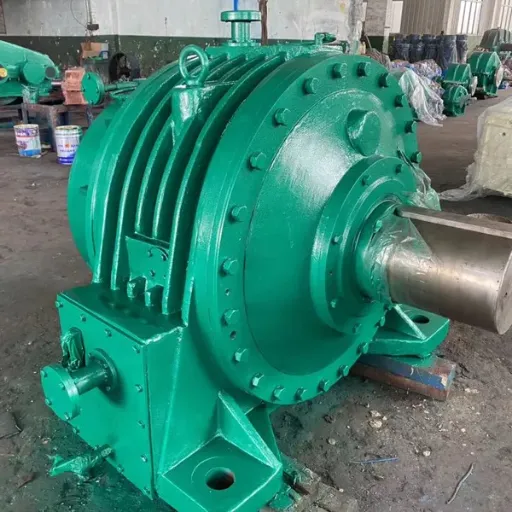
A planetary gear reducer, also called a planetary gearbox, is a compact drive system that uses a central sun gear, multiple planet gears, and an outer ring gear to share load across several mesh points. Because the torque is distributed, planetary reducers achieve high power density in a smaller envelope than most parallel-shaft designs. This makes them ideal for applications where space is limited but torque demand is high.
Common applications include:
Conveyor drives in mining and material handling
Mixers, extruders, and agitators in chemical and food processing
Crane and hoist mechanisms where compact size matters
Robotics and automation equipment
Construction machinery and winches
Wind turbine yaw and pitch drives
At Jiangsu Manqi Machinery, we see planetary reducers used most often in mining conveyors, lifting equipment, and industrial mixers where shock loads and continuous duty put serious stress on the gearbox. If you are unsure whether a planetary design fits your machine, a qualified planetary gear reducer manufacturer can review your load cycle and recommend the right configuration.
What to Look for in a Planetary Gear Reducer Manufacturer
Not every reducer supplier has the engineering depth or manufacturing discipline to deliver reliable planetary units. Here are the capabilities that separate a true manufacturing partner from a simple trader.
Engineering and Customization Capability
A capable planetary gear reducer manufacturer maintains an in-house engineering team that can review your drive parameters and propose a standard or custom solution. Look for suppliers who can:
Calculate torque, service factor, and reduction ratio based on your application
Provide dimensional drawings for approval before production
Modify shaft arrangement, flange size, or mounting orientation
Select appropriate bearings and seals for your duty cycle
When a manufacturer only resells catalog units without engineering review, you risk receiving a reducer that is technically close but not truly suited to your operating conditions.
Manufacturing Quality Systems
Quality in a planetary reducer starts with material selection and ends with final inspection. Ask potential manufacturers about:
Material certificates for gears and shafts
Heat treatment processes such as case hardening or induction hardening
Gear grinding or shaving capabilities for tooth profile accuracy
Housing machining and bearing bore tolerances
Noise, vibration, and runout testing procedures
A structured quality system is one of the strongest signals that a planetary gear reducer manufacturer can deliver consistent, reliable products.
Product Range and Series Coverage
A broad catalog indicates manufacturing maturity. Look for manufacturers who offer:
NGW series: Single-stage NGW reducer for general high-torque applications
NGW-S series: Two-stage NGW reducer for higher reduction ratios
NAD/NBD/NCD series: Heavy-duty planetary units for mining and material handling
NBZD/NCZD series: High-torque planetary reducers for demanding industrial drives
Jiangsu Manqi Machinery produces these series from our facility in Taixing City, allowing us to match standard catalog models or engineer non-standard planetary reducers when required.
Key Specifications to Discuss with Your Planetary Gear Reducer Manufacturer
Before requesting a quotation, prepare the following information. A professional planetary gear reducer manufacturer will use these inputs to recommend the right model or custom design.
Torque, Ratio, and Service Factor
Start with the required output torque and the input speed from your motor. The reduction ratio determines how much the motor speed is reduced to achieve the required output speed. The service factor accounts for shock loads, operating hours, and startup conditions.
For heavy-duty applications, service factors typically range from 1.3 to 2.5. Undersizing the reducer to save cost usually leads to early pitting, bearing wear, or shaft fatigue. Always share the real operating conditions, not just the nominal motor power.
Mounting and Environmental Requirements
Planetary reducers are available in inline, right-angle, flange-mounted, and foot-mounted configurations. Confirm:
Input shaft orientation and coupling type
Output shaft diameter, length, and keyway dimensions
Mounting foot or flange bolt patterns
Ambient temperature, dust, moisture, and chemical exposure
Maintenance access and lubrication intervals
Sharing accurate installation details helps the manufacturer propose a unit that fits your machine without costly field modifications. When in doubt, send the supplier your existing reducer drawings or machine layout.
How to Evaluate a Manufacturer's Quality and Reliability
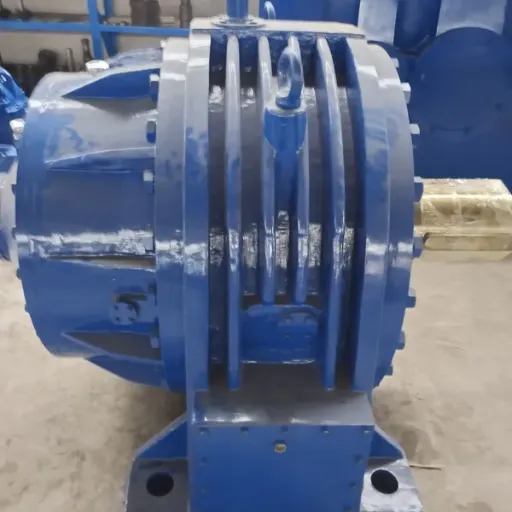
When comparing planetary gear reducer manufacturers, go beyond the quotation sheet. Quality and reliability show up in processes, documentation, and communication. A trustworthy planetary gear reducer manufacturer will explain exactly how gears are machined, heat treated, and inspected.
Inspection and Testing Processes
Ask your supplier what happens before a reducer leaves the factory. Reliable manufacturers perform checks such as:
Gear contact pattern inspection
Noise and vibration testing
Bearing temperature monitoring during run-in
Runout verification on shafts and flanges
Oil leakage and seal performance checks
Some buyers also request third-party inspection or factory audits to verify capabilities. A transparent manufacturer welcomes this level of scrutiny because it demonstrates confidence in their processes.
Material and Heat Treatment Documentation
The gears in a planetary reducer must withstand high contact stress and bending fatigue. Request documentation for:
Gear material grade and certification
Hardness values after heat treatment (HRC 58-62 is common for case-hardened gears)
Case depth and core hardness for carburized gears
Heat treatment furnace records where available
These documents separate industrial-grade planetary reducers from light-duty units that will not survive in continuous-duty applications.
Ready to compare planetary reducer options? View our gear reducer catalog to explore standard series and custom capabilities.
Custom vs. Standard Planetary Reducers
One of the most important decisions when working with a planetary gear reducer manufacturer is whether to use a standard catalog model or commission a custom design. The right planetary gear reducer manufacturer will help you make this choice based on load data, not just catalog availability.
When a Standard NGW Series Fits
Standard planetary reducers are the right choice when:
Your torque, speed, and ratio requirements match catalog ratings
The mounting footprint and shaft arrangement are conventional
Lead time is a priority
Cost is an important factor
Standard NGW and NGW-S series reducers cover a wide range of industrial applications with proven designs and shorter production cycles. They are also easier to support with spare parts over the long term.
When Custom Engineering Makes Sense
Custom or non-standard planetary reducers, often called a custom planetary reducer, are worth considering when:
Your machine has a unique footprint or shaft orientation
The load profile involves high shock or reversing loads
Ambient conditions require special seals, coatings, or lubrication
You are retrofitting a replacement into an existing installation
You need a specific ratio not available in standard catalogs
When Marcus, a maintenance manager at a chemical mixing plant, needed to replace a failed planetary reducer in 2024, he discovered the original unit had been modified by the equipment builder. A standard catalog model would not fit the custom shaft arrangement. He sent the drawings to Jiangsu Manqi Machinery, and our engineering team produced a dimensionally equivalent custom planetary reducer that dropped into the existing foundation. The mixer was back online in six weeks, and Marcus avoided a complete drive redesign.
Total Cost of Ownership Beyond the Purchase Price
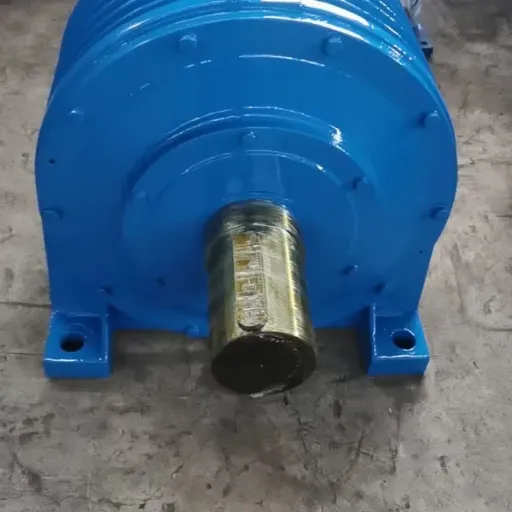
It is tempting to select a planetary gear reducer manufacturer based on unit price alone. However, the true cost of a reducer includes much more than the invoice amount.
Consider these factors over the full service life:
Purchase price and payment terms
Installation and commissioning time
Lubricant type and replacement interval
Spare parts availability and pricing
Maintenance labor and downtime costs
Expected service life and replacement cycle
Warranty terms and after-sales support
A reducer that costs 10% more up front but lasts twice as long and requires fewer spare parts often delivers far lower total cost of ownership. When comparing quotes, ask each planetary gear reducer manufacturer to explain how their design and quality choices affect service life.
Red Flags to Avoid When Selecting a Manufacturer
Some warning signs suggest a supplier may not be the right planetary gear reducer manufacturer for your project. Watch for these red flags during quotation and discussion:
Vague technical answers: If a supplier cannot explain service factor, tooth hardness, or bearing selection, they may lack engineering depth.
No inspection records: Manufacturers without documented testing procedures are harder to trust for critical applications.
Unrealistic lead times: Promises that seem too good to be true often are.
Missing material certificates: Without traceability, you cannot verify gear quality.
Poor communication: Slow or unclear responses during quoting usually predict slow support after delivery.
If you notice several of these red flags, it is worth continuing your search before committing to an order. The extra time spent evaluating suppliers usually pays for itself many times over in reliability and service.
Frequently Asked Questions
What is a planetary gear reducer?
A planetary gear reducer is a gearbox that uses a central sun gear, planet gears, and an outer ring gear to transmit torque. The load is shared across multiple planet gears, allowing high torque density in a compact size.
How do I choose a planetary gear reducer manufacturer?
Choose a manufacturer that can review your torque, speed, mounting, and environmental requirements; provide material and inspection documentation; offer standard and custom solutions; and support you after delivery.
What industries use planetary gear reducers?
Planetary reducers are used in mining, material handling, lifting equipment, chemical processing, food processing, construction machinery, robotics, and renewable energy applications.
What is the difference between NGW and NGW-S series reducers?
NGW series are single-stage planetary reducers, while NGW-S series are two-stage designs that provide higher reduction ratios for applications requiring lower output speeds.
When should I choose a custom planetary reducer instead of a standard model?
Choose a custom planetary reducer when your application has unique mounting constraints, unusual load profiles, special environmental requirements, or a ratio not covered by standard catalogs.
Conclusion
Selecting the right planetary gear reducer manufacturer is a decision that affects equipment reliability, maintenance costs, and production uptime for years. Focus on engineering capability, quality systems, customization experience, and total cost of ownership rather than price alone. The best planetary gear reducer manufacturer for your project will ask detailed questions about your application before recommending a unit.
When Sarah, a procurement manager for a Southeast Asian mining contractor, switched to a more responsive planetary gear reducer manufacturer in 2025, she reduced her average emergency spare parts lead time from ten weeks to three weeks. More importantly, she gained an engineering partner who reviewed her conveyor load cycles and recommended units with higher service factors. Downtime dropped, and her relationship with the supplier became a genuine partnership.
At Jiangsu Manqi Machinery, we manufacture NGW, NGW-S, NAD, NBD, NCD, NBZD, and NCZD planetary reducers from our facility in Taixing City. Our engineering team works with customers worldwide to match standard catalog models or design custom planetary reducers for demanding applications.
Ready to discuss your planetary reducer requirements? Contact our engineering team with your torque, speed, and mounting details, and we will recommend the right standard or custom solution.
Recently Posted
-
NGW Planetary Gear Reducer: A Selection Guide for Compact High-Torque Drives
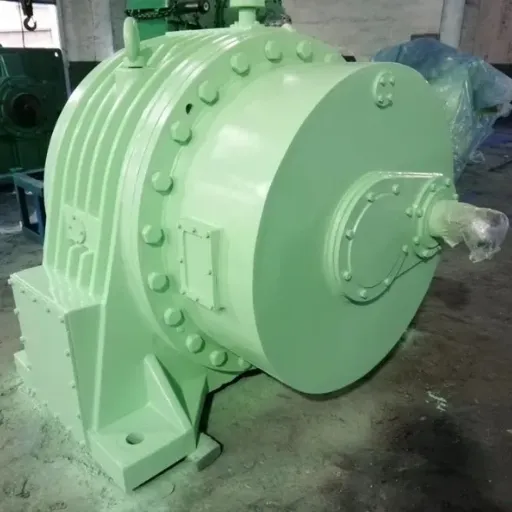
July 30, 2026An NGW planetary gear reducer is a single-stage epicyclic gearbox that uses a central sun gear, planet gears, and an internal ring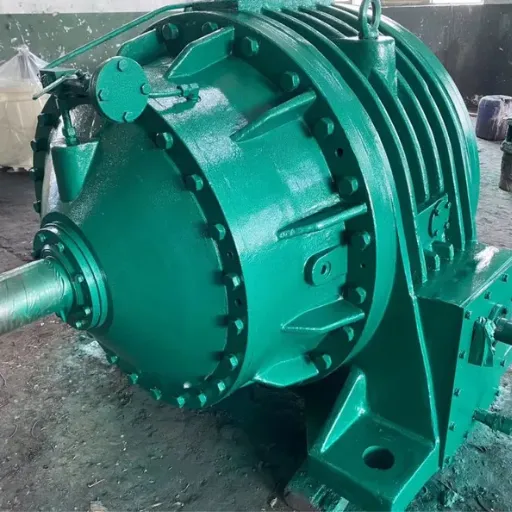 Read More
 -
Heavy Duty Planetary Reducer: A Guide for High-Torque Industrial Drives
July 30, 2026A heavy duty planetary reducer is the right choice when you need high output torque, shock-load capacity, and a compact footprint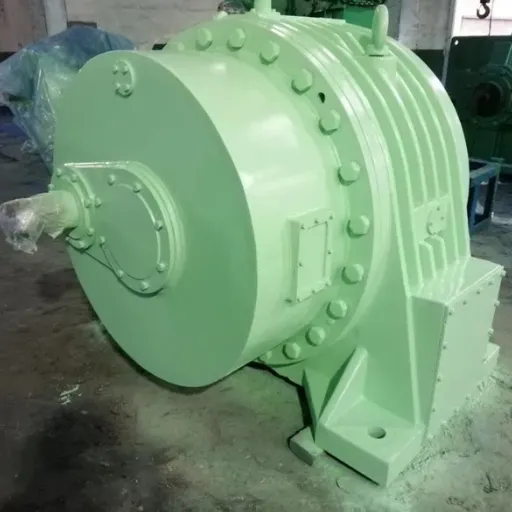 Read More
 -
Planetary Gear Motor: A Complete Engineer's Guide to Selection and Application
July 30, 2026A planetary gear motor is a compact drive solution that pairs a planetary gear reducer with an electric motor to deliver high outp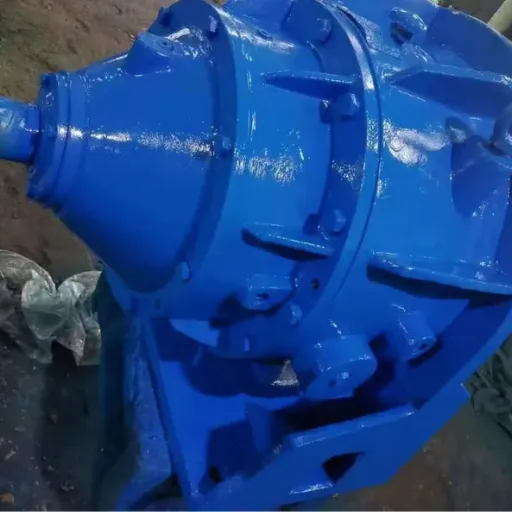 Read More
 -
High Torque Planetary Reducer: A Selection Guide for Heavy-Duty Industrial Drives
July 30, 2026A high torque planetary reducer is a compact drive system that distributes heavy loads across multiple planet gears meshing with a Read More

Contact Us
Recommended Products
-
 Kf127 Series Helical-Bevel Gear Motors for Industrial Power TransmissionNegotiableMOQ: 1 Set
 -
H1SH11 Modular Gearbox for Coal Mining Machinery With Cast Steel Housing and Mill Test ReportNegotiableMOQ: 1 Set
-
NGW101 Planetary Gear Reducer With Integral Flange Mount, 40Nm TorqueNegotiableMOQ: 1 Piece
-
Shanghai Dongfang DFSS400-520/4 Industrial Centrifugal Pump Wear RingNegotiableMOQ: 10 Pieces
-
SLOW300-550 High Hardness Shaft Bushing Spare Parts Matching Shanghai Liancheng Water Pump AccessoriesNegotiableMOQ: 1 Piece
-
Shanghai Kaiquan KQSN300-X13A/390 Original Pump Seal Ring Spare PartNegotiableMOQ: 10 Pieces
-
Shanghai Dongfang IHH100-65-250 Chemical Pump Anti-Corrosion Seal RingNegotiableMOQ: 10 Pieces
-
Shanghai Dongfang DFSS600-24N/6 Wear Spare Ring for DFSS Water PumpNegotiableMOQ: 10 Pieces
-
Coaxial Parallel Shaft Gearbox Systems With Right Angle Spiral Bevel Helical Gear MotorsNegotiableMOQ: 1 Set
-
ZS125 Cylindrical Gear Reducer for Industrial Mixing ApplicationsNegotiableMOQ: 100 Sets
-
ZLY224 Cylindrical Gear Reducer With Hardened Steel Gears and 224mm Center DistanceNegotiableMOQ: 1 Piece
-
R87 Compact Inline Gear Motor Low Noise for Conveyor EquipmentNegotiableMOQ: 1 Set
-
NGW93 High Efficiency Low Vibration Planetary Gear Reducer For Machinery DriveNegotiableMOQ: 1 Piece
-
H1SH11 Modular Gear Reducers for CNC Machine IntegrationNegotiableMOQ: 1 Set
-
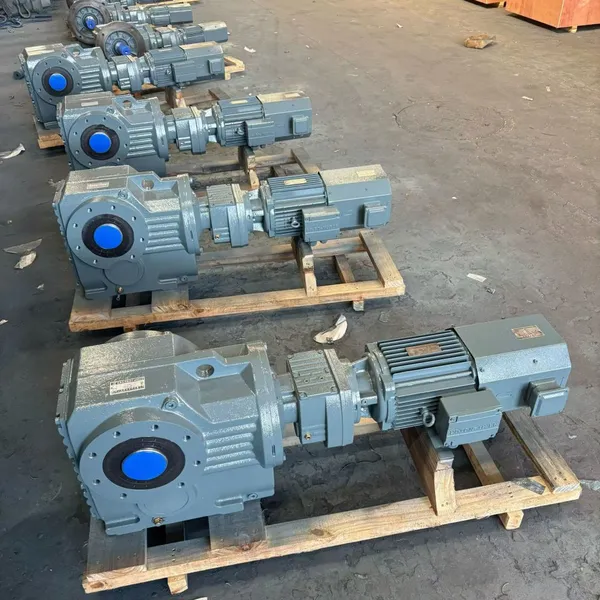
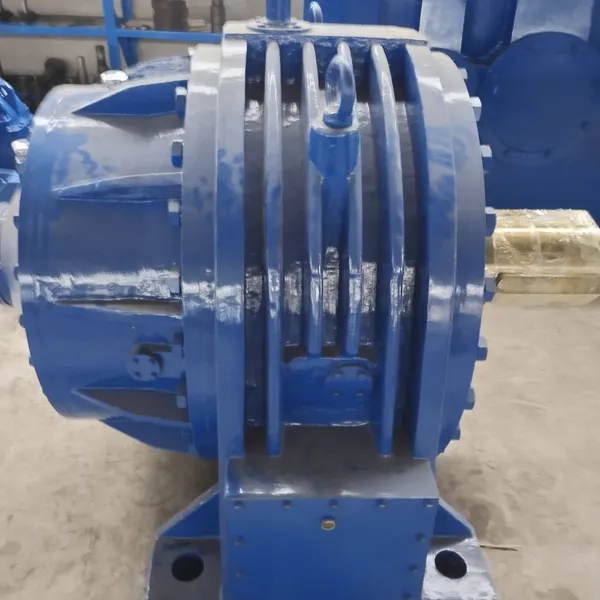
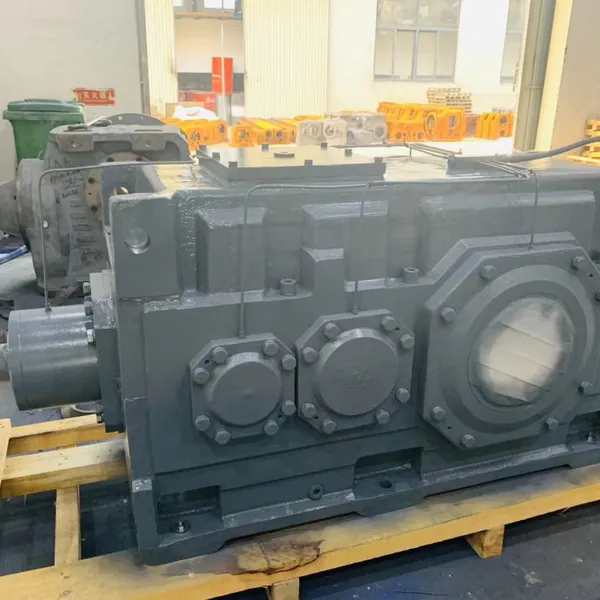
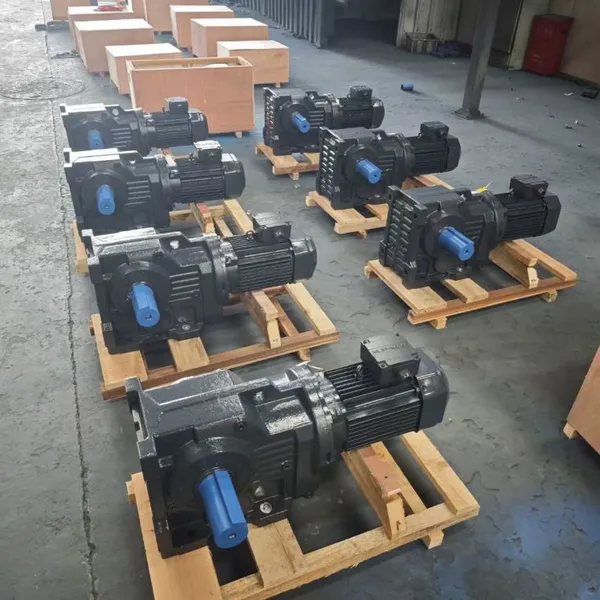
Gearmotor Converter System R/F/K/S Series Coaxial Parallel Shaft Gearbox Spiral Bevel MotorNegotiableMOQ: 1 Set
-
G3 Series Flange Mounted Helical Gear Motor Speed Reducer With Bevel GearboxNegotiableMOQ: 1 Set
-
Industrial Mixer Drive Solution With F Series Parallel Shaft Geared Motors F57 to F97NegotiableMOQ: 1 Set
-
Parallel Shaft Speed Reducer F Series, Models F57 F67 F77 F87 F97, IP55 Protection RatedNegotiableMOQ: 1 Set
-
Parallel Shaft Geared Motor F Series, F57-F97 With C-face Input Flange, 220V/380V OptionsNegotiableMOQ: 1 Set
-
Industrial ZSY630 Cylindrical Gear Reducer For Industrial Transmission EquipmentNegotiableMOQ: 1 Piece