Business License

How to Choose a Worm Gear Reducer Manufacturer: A Buyer's Guide
The right worm gear reducer manufacturer delivers consistent quality, accurate specifications, and responsive engineering support, not just a low unit price. For buyers sourcing right-angle drives for conveyors, mixers, packaging equipment, or material handling systems, the manufacturer you choose directly affects equipment uptime, maintenance costs, and total cost of ownership.
What separates a reliable worm gear reducer manufacturer from a risky worm gearbox supplier? It usually comes down to five areas: engineering capability, material and heat treatment control, precision machining and inspection, customization experience, and export after-sales support. This guide explains how to evaluate each area and what questions to ask before placing an order.
Key Takeaways
A capable worm gear reducer manufacturer should prove engineering depth through material certificates, inspection reports, and drawing approvals.
Worm reducers excel in right-angle, high-reduction applications where compact size and self-locking characteristics matter.
Always verify reduction ratio, center distance, output torque, service factor, and mounting orientation before requesting a quote.
Custom worm reducers are worth considering when shaft arrangement, footprint, or load profile does not match catalog standards.
Export support, spare parts availability, and technical communication are as important as the initial purchase price.
What Is a Worm Gear Reducer and Where Is It Used?
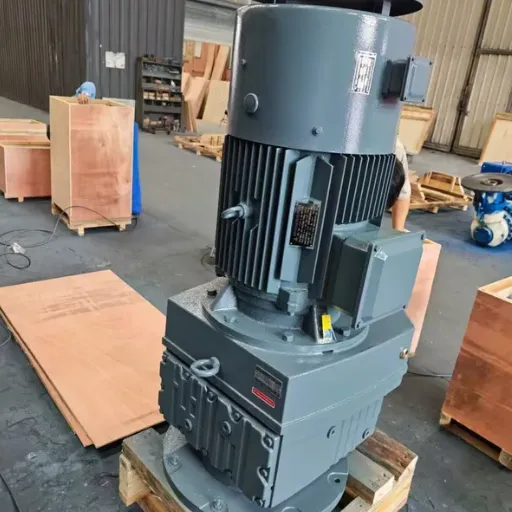
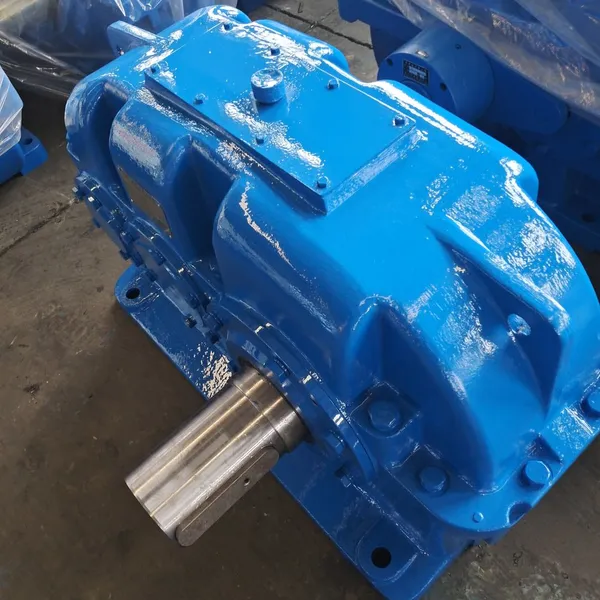
A worm gear reducer is a right-angle speed reducer that uses a worm screw meshing with a worm wheel to transfer power. Also called a right angle gear reducer or industrial worm reducer, the arrangement produces high reduction ratios in a compact housing and can provide a self-locking feature when the lead angle is small enough. This means the load cannot easily back-drive the input, which is useful in lifting, hoisting, and holding applications.
Common applications include:
Conveyor drives in packaging and material handling
Mixer and agitator drives in chemical and food processing
Lifting and hoisting equipment where self-locking adds safety
Automated machinery requiring compact right-angle power transmission
Water treatment and wastewater equipment
Because the worm and wheel operate with sliding contact rather than rolling contact, efficiency is typically lower than helical or planetary designs. Heat generation, lubrication selection, and bronze wheel material quality become critical to service life. That is why manufacturer selection matters so much.
5 Capabilities to Look for in a Worm Gear Reducer Manufacturer
Not every gearbox supplier has the engineering and production control needed for reliable worm reducers. Here are the five capabilities that separate dependable manufacturers from the rest.
Engineering and Design Expertise
A strong worm gear reducer manufacturer begins with competent design. Ask whether the supplier calculates load distribution, contact stress, and thermal capacity for each application. Catalog ratings should be backed by engineering analysis, not just copied from competitors.
Look for:
In-house design engineers who review application requirements
Selection software or calculation sheets for torque, speed, and service factor
Ability to produce approval drawings before manufacturing
Experience with non-standard ratios, shaft arrangements, and mounting positions
At Jiangsu Manqi Machinery Co., Ltd., our engineering team reviews customer drive parameters and operating conditions before recommending a standard or custom solution. We produce drawing approvals so you can verify interfaces before production begins.
Material and Heat Treatment Control
Worm wheels are often made from bronze alloys to withstand sliding contact and dissipate heat. Worm screws are typically alloy steel, hardened and ground for accuracy. Material quality and heat treatment directly affect wear resistance, noise, and efficiency.
Ask potential suppliers:
What bronze alloy is used for the worm wheel, and what is its hardness?
Is the worm screw case-hardened or through-hardened?
Can they provide material certificates and heat treatment records?
How do they control casting or forging quality for housings?
A manufacturer that cannot answer these questions clearly may not control its own supply chain. Poor material selection is one of the most common causes of premature worm wheel wear.
Precision Machining and Inspection
Worm gear reducers depend on accurate tooth geometry and alignment. Even small errors in worm wheel tooth profile or housing bore position increase noise, reduce efficiency, and accelerate wear.
Key quality indicators include:
CNC machining of housings, flanges, and bearing seats
Precision grinding or hobbing of worm screws and wheels
Gear contact pattern inspection after assembly
Noise, vibration, and temperature testing at rated speed
Runout and backlash measurement before shipment
Ask for a sample inspection report. A transparent supplier will share typical values for backlash, noise level, and contact pattern. If a manufacturer refuses, treat that as a warning sign.
Customization Capability
Standard catalog worm reducers fit many applications, but not all. You may need a special output shaft, a different flange pattern, a unique center distance, or a motor adapter plate. A manufacturer with in-house R&D and flexible production can adapt without outsourcing every change.
Custom requirements often include:
Special shaft diameter, length, or keyway
Different mounting foot or flange orientation
Higher service factor for shock loads
Custom paint, seals, or lubricant for harsh environments
Integration with a specific motor brand or brake
If your application does not fit a catalog reducer, look for a supplier that accepts customer drawings and provides engineering feedback on feasibility. A custom worm reducer engineered to your interface and load requirements often costs less than retrofitting a standard unit.
Export and After-Sales Support
For international buyers, the relationship does not end when the reducer ships. You need clear communication, accurate documentation, and access to spare parts and technical advice.
Evaluate suppliers on:
Response time for technical questions
Availability of English drawings and manuals
Export packaging for sea or air shipment
Spare parts inventory for common series
Warranty terms and troubleshooting support
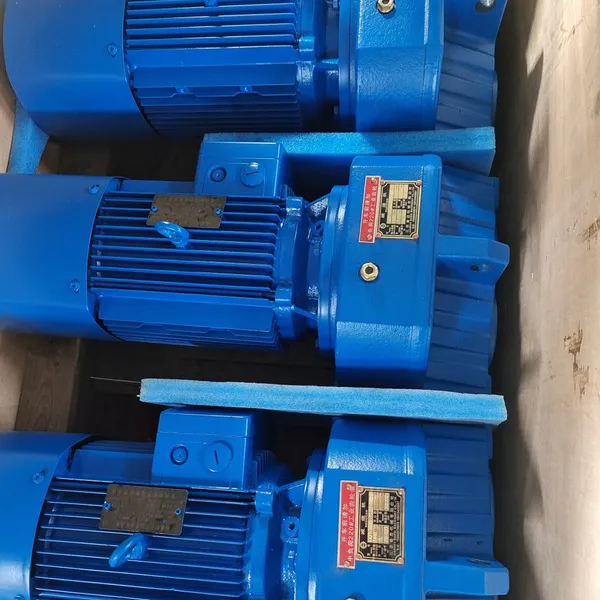
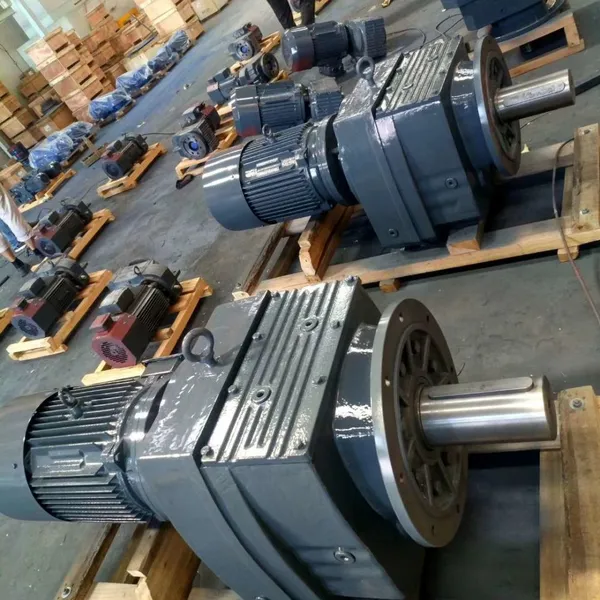
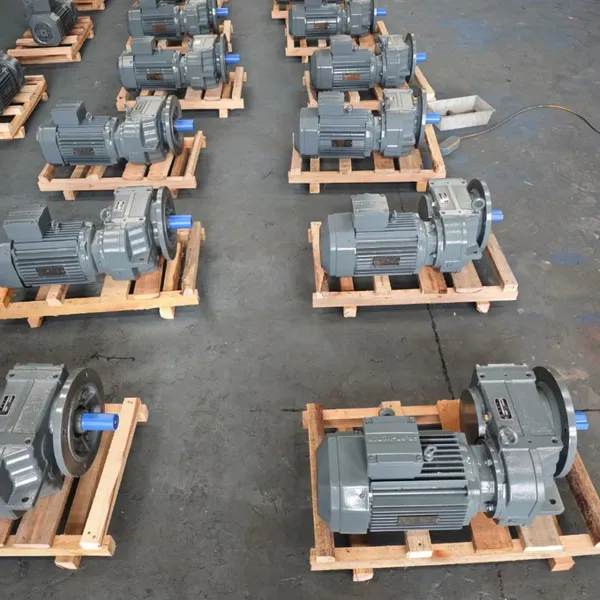
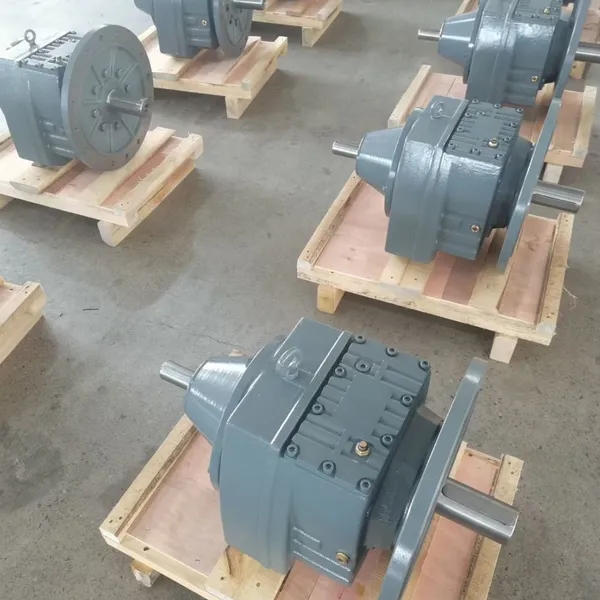
Jiangsu Manqi Machinery is located in Taixing City, one of China's major gear reducer manufacturing clusters, with convenient access to Shanghai port. We support customers worldwide with export documentation, stable packaging, and responsive technical consultation.
Common Worm Gear Reducer Specifications to Verify
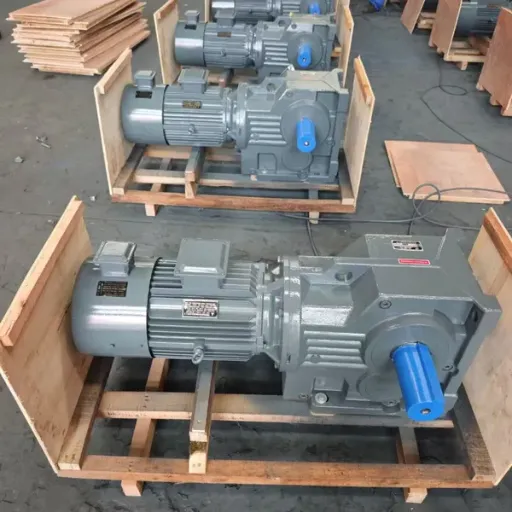
Before contacting a worm gear reducer manufacturer, gather your application data. Suppliers can quote faster and more accurately when you provide complete information.
Required Input and Output Data
Motor power (kW) and input speed (rpm)
Required output speed or reduction ratio
Output torque at steady load and peak load
Service hours per day and starts per hour
Mounting position: horizontal, vertical, or special angle
Mechanical and Environmental Details
Output shaft load: radial and axial forces
Ambient temperature range
Dust, moisture, or chemical exposure
Required ingress protection (IP) rating
Space constraints and footprint limits
Integration Requirements
Motor brand, frame size, and mounting interface
Need for a motor flange, coupling, or brake
Whether the unit will ship as a bare reducer or a complete worm gear motor
Required orientation of input and output shafts
Cable entry or conduit positions for motorized units
When Marcus, a maintenance manager at a packaging plant in Poland, needed to replace a worn worm reducer on a carton conveyor, he sent only the model name and motor power. The first supplier shipped a unit that looked identical but had a different output shaft length. Installation stalled for two weeks while the supplier made a replacement. The second time, Marcus provided a dimensioned drawing, motor nameplate data, and photos of the mounting position. The unit arrived correct the first time, and commissioning took half a day.
Red Flags That Signal a Weak Supplier
Price matters, but the lowest quote often hides costs that appear later. Watch for these warning signs when evaluating a worm gear reducer manufacturer.
Vague Technical Answers
If a supplier cannot explain reduction ratio limits, thermal ratings, or lubrication recommendations, they may be trading rather than manufacturing. Trading companies can offer competitive prices but rarely provide deep technical support.
No Inspection or Test Documentation
A manufacturer that ships without inspection reports, material certificates, or test records has no verifiable quality system. Ask for a sample report before placing an order.
Unrealistic Lead Times
Very short lead times for custom or large orders can mean rushed machining, skipped heat treatment, or subcontracted work. Confirm what steps are included in the quoted delivery window.
Hidden Costs
Some quotes exclude motors, flanges, export packaging, or documentation fees. Request an itemized quotation and confirm what is included.
Poor Communication During Inquiry
Slow or unclear responses during the quotation stage usually get worse after payment. Test responsiveness before committing.
How to Compare Quotes from Multiple Manufacturers
Requesting quotes from several worm gear reducer manufacturers is standard practice. Use a structured comparison to avoid choosing on price alone.
Create a Specification Checklist
List every requirement: ratio, torque, mounting, motor interface, material standards, inspection scope, packaging, and delivery terms. Send the same checklist to each supplier.
Compare Apples to Apples
Make sure each quote covers the same scope. One supplier may quote a reducer only; another may include the motor, flange, and freight. Normalize the comparison by adding missing items to each quote.
Evaluate Total Cost of Ownership
Include:
Purchase price
Shipping, import duties, and taxes
Installation and commissioning support
Expected lubricant and maintenance costs
Spare parts availability and price
Risk of downtime if the unit fails early
A reducer that costs 15% more upfront but lasts twice as long usually wins on total cost.
Check References and Samples
Ask for customer references in your region or industry. If possible, inspect a sample unit for housing machining quality, seal installation, and paint finish. These details reveal production standards.
When to Choose a Custom Worm Gear Reducer
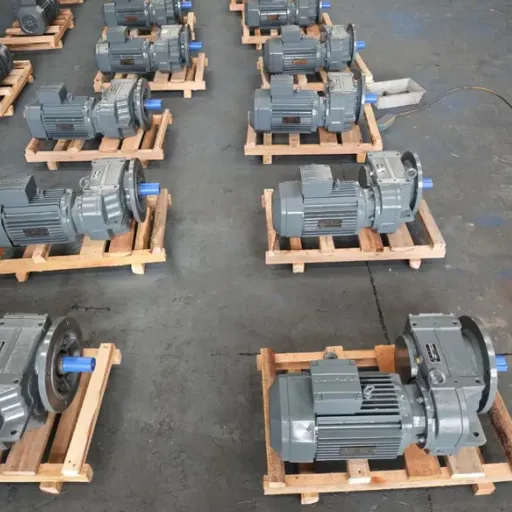
Standard worm reducers cover most common ratios and mounting positions. However, custom or non-standard designs become the better choice in several situations.
Non-Standard Footprint or Shaft Arrangement
If your equipment has tight space constraints or an unusual shaft orientation, a custom housing or output shaft may be the only practical solution.
Higher Load or Shock Requirements
Applications with frequent starts, stops, or impact loads may need a larger service factor, stronger bearings, or a modified worm wheel material.
Special Environmental Conditions
High temperature, humidity, dust, or chemical exposure may require special seals, coatings, or lubricants that are not available on standard catalog units.
OEM Integration
Equipment manufacturers often need reducers with specific motor interfaces, brake mounts, or sensor positions. A manufacturer with custom engineering capability can design the reducer around your machine instead of forcing your machine to fit the reducer.
At Jiangsu Manqi Machinery, we support customers with custom and non-standard reducer engineering across a range of industrial applications. Our process includes requirement review, proposal drawings, customer approval, and structured inspection before shipment.
Worm Gear Reducer Maintenance Tips
Proper maintenance extends service life and protects your investment. Share these guidelines with your maintenance team.
Lubrication
Use the lubricant grade and quantity specified by the manufacturer. Worm reducers generate more heat than parallel-shaft designs, so oil viscosity and change intervals matter. Check oil level regularly and replace it according to the duty cycle.
Temperature Monitoring
High operating temperature is often the first sign of overload, poor alignment, or lubricant breakdown. Monitor housing temperature during the first weeks of operation to establish a baseline.
Vibration and Noise Checks
Unusual noise or vibration can indicate worn bearings, damaged teeth, or misalignment. Address these signs early to avoid catastrophic failure.
Seal Inspection
Check input and output shaft seals for leaks. Replace seals before contamination damages bearings or gears.
Frequently Asked Questions
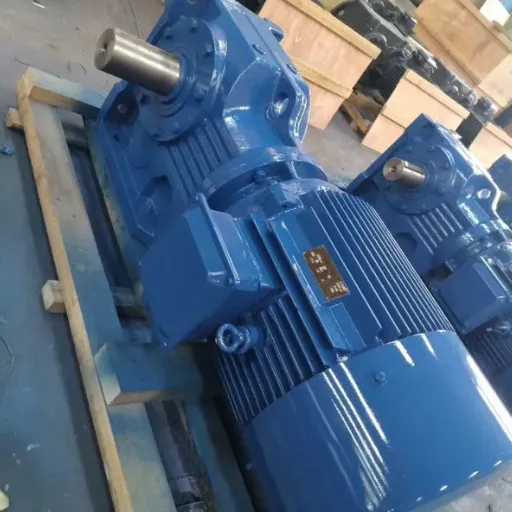
What is a worm gear reducer used for?
A worm gear reducer is used for right-angle speed reduction in applications such as conveyors, mixers, lifting equipment, packaging machinery, and material handling systems. Its compact design and potential self-locking feature make it useful where space is limited and load holding is required.
How do I choose a worm gear reducer manufacturer?
Evaluate the manufacturer's engineering capability, material and heat treatment control, machining and inspection processes, customization experience, and after-sales support. Request material certificates, inspection reports, and references before placing an order.
What specifications does a worm gear reducer manufacturer need?
Provide motor power and speed, required output speed or ratio, output torque, service factor, mounting position, shaft loads, ambient conditions, and motor interface details. The more complete your data, the more accurate the quotation.
Are custom worm reducers more expensive than standard units?
Custom worm reducers usually cost more upfront due to engineering and tooling. However, they can reduce total cost of ownership when they eliminate redesign, fit existing footprints, or handle special loads that standard units cannot.
How long do worm gear reducers last?
Service life depends on load, operating conditions, lubrication, and manufacturing quality. Well-specified and properly maintained worm reducers can operate for many years. Undersized or poorly lubricated units may fail in months.
What standards should a worm gear reducer manufacturer follow?
Many manufacturers follow international standards such as those published by AGMA and ISO. Always confirm which standards apply to the specific reducer series and request compliance documentation if required for your project.
Conclusion
Choosing a worm gear reducer manufacturer is not only about finding the lowest price. It is about finding a partner that understands your application, controls its quality processes, and supports you after shipment. The right manufacturer will ask detailed questions, provide clear documentation, and stand behind its product.
When you evaluate suppliers, focus on engineering depth, material and inspection transparency, customization capability, and export support. Request approval drawings for custom units, verify inspection processes, and compare total cost of ownership rather than unit price alone.
At Jiangsu Manqi Machinery Co., Ltd., we apply the same rigorous engineering and quality approach across our gear reducer manufacturing. If you are sourcing worm gear reducers or other industrial drives, contact our engineering team with your specifications. We will review your requirements and provide a technical recommendation and quotation.
Recently Posted
-
NGW Planetary Gear Reducer: A Selection Guide for Compact High-Torque Drives
July 30, 2026An NGW planetary gear reducer is a single-stage epicyclic gearbox that uses a central sun gear, planet gears, and an internal ring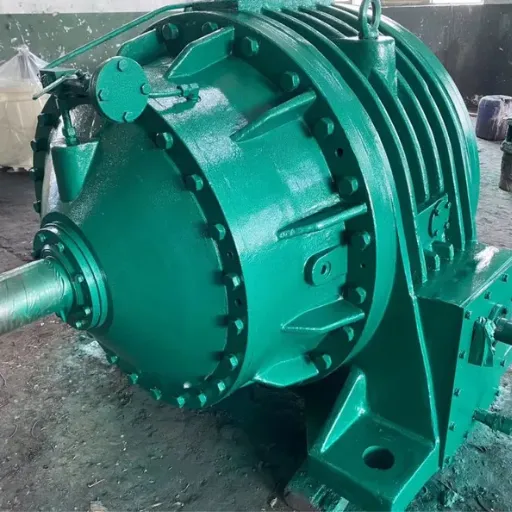 Read More
 -
Heavy Duty Planetary Reducer: A Guide for High-Torque Industrial Drives
July 30, 2026A heavy duty planetary reducer is the right choice when you need high output torque, shock-load capacity, and a compact footprint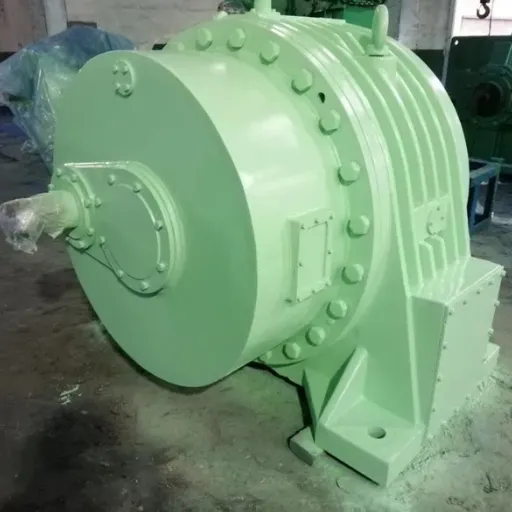 Read More
 -
Planetary Gear Motor: A Complete Engineer's Guide to Selection and Application
July 30, 2026A planetary gear motor is a compact drive solution that pairs a planetary gear reducer with an electric motor to deliver high outp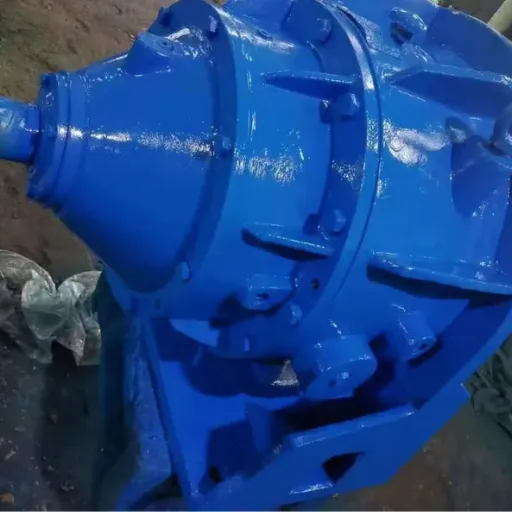 Read More
 -
High Torque Planetary Reducer: A Selection Guide for Heavy-Duty Industrial Drives
July 30, 2026A high torque planetary reducer is a compact drive system that distributes heavy loads across multiple planet gears meshing with a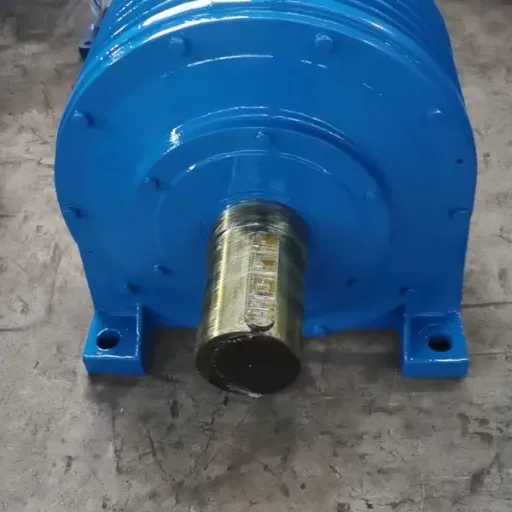 Read More

Contact Us
Recommended Products
-
 Kf127 Series Helical-Bevel Gear Motors for Industrial Power TransmissionNegotiableMOQ: 1 Set
 -
H1SH11 Modular Gearbox for Coal Mining Machinery With Cast Steel Housing and Mill Test ReportNegotiableMOQ: 1 Set
-
NGW101 Planetary Gear Reducer With Integral Flange Mount, 40Nm TorqueNegotiableMOQ: 1 Piece
-
Shanghai Dongfang DFSS400-520/4 Industrial Centrifugal Pump Wear RingNegotiableMOQ: 10 Pieces
-
SLOW300-550 High Hardness Shaft Bushing Spare Parts Matching Shanghai Liancheng Water Pump AccessoriesNegotiableMOQ: 1 Piece
-
Shanghai Kaiquan KQSN300-X13A/390 Original Pump Seal Ring Spare PartNegotiableMOQ: 10 Pieces
-
Shanghai Dongfang IHH100-65-250 Chemical Pump Anti-Corrosion Seal RingNegotiableMOQ: 10 Pieces
-
Shanghai Dongfang DFSS600-24N/6 Wear Spare Ring for DFSS Water PumpNegotiableMOQ: 10 Pieces
-
Coaxial Parallel Shaft Gearbox Systems With Right Angle Spiral Bevel Helical Gear MotorsNegotiableMOQ: 1 Set
-
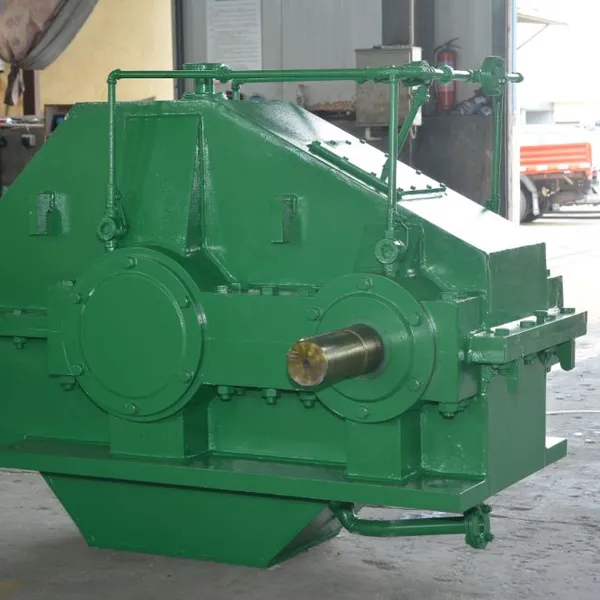
ZS125 Cylindrical Gear Reducer for Industrial Mixing ApplicationsNegotiableMOQ: 100 Sets
-
ZLY224 Cylindrical Gear Reducer With Hardened Steel Gears and 224mm Center DistanceNegotiableMOQ: 1 Piece
-
R87 Compact Inline Gear Motor Low Noise for Conveyor EquipmentNegotiableMOQ: 1 Set
-
NGW93 High Efficiency Low Vibration Planetary Gear Reducer For Machinery DriveNegotiableMOQ: 1 Piece
-
H1SH11 Modular Gear Reducers for CNC Machine IntegrationNegotiableMOQ: 1 Set
-
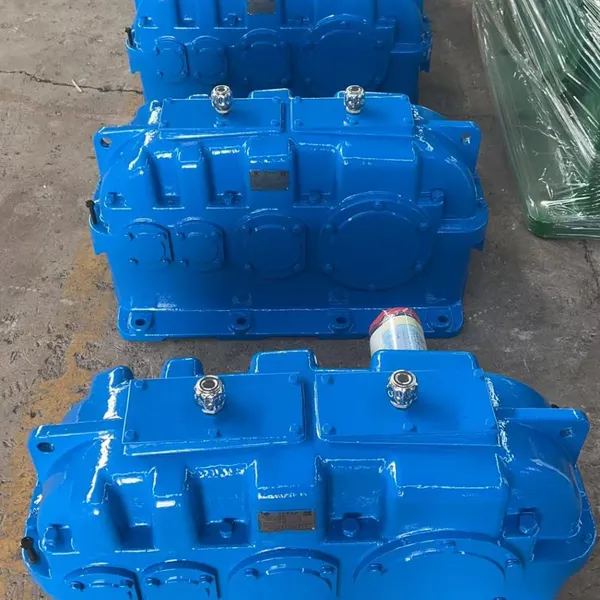
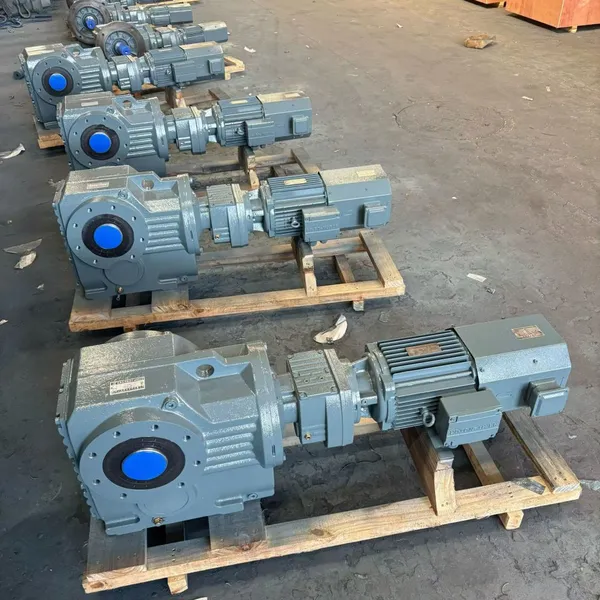
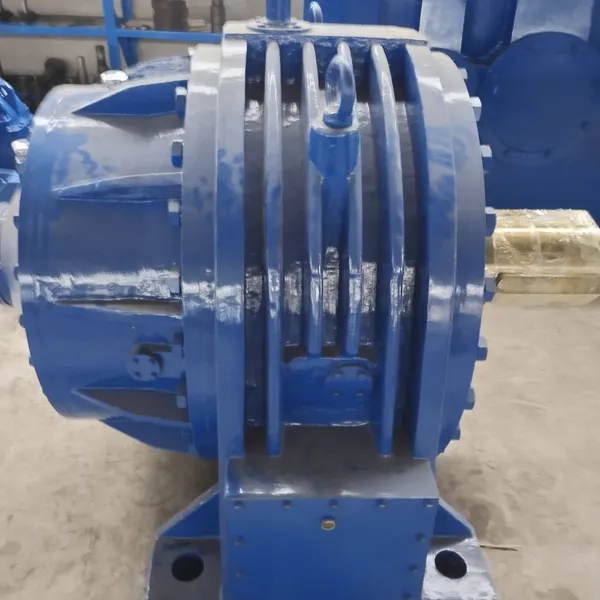
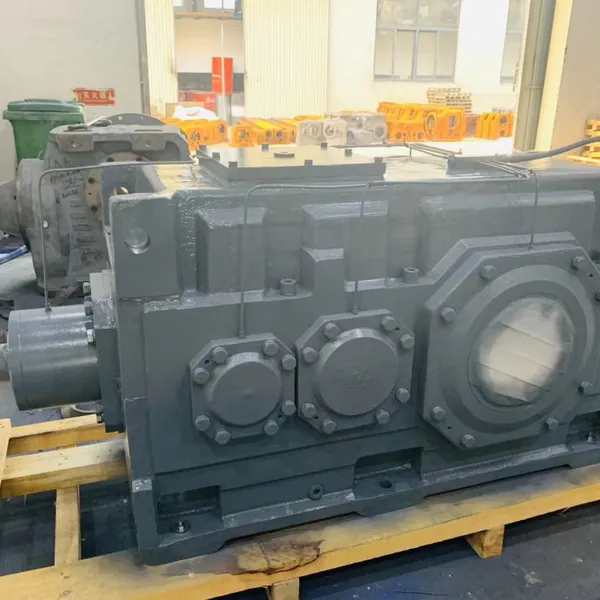
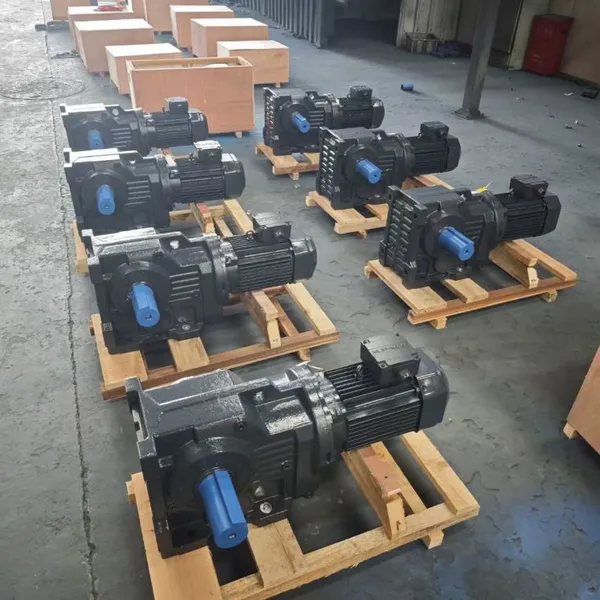
Gearmotor Converter System R/F/K/S Series Coaxial Parallel Shaft Gearbox Spiral Bevel MotorNegotiableMOQ: 1 Set
-
G3 Series Flange Mounted Helical Gear Motor Speed Reducer With Bevel GearboxNegotiableMOQ: 1 Set
-
Industrial Mixer Drive Solution With F Series Parallel Shaft Geared Motors F57 to F97NegotiableMOQ: 1 Set
-
Parallel Shaft Speed Reducer F Series, Models F57 F67 F77 F87 F97, IP55 Protection RatedNegotiableMOQ: 1 Set
-
Parallel Shaft Geared Motor F Series, F57-F97 With C-face Input Flange, 220V/380V OptionsNegotiableMOQ: 1 Set
-
Industrial ZSY630 Cylindrical Gear Reducer For Industrial Transmission EquipmentNegotiableMOQ: 1 Piece