Business License

How to Select a Planetary Gear Reducer: A Complete Engineering Guide
A planetary gear reducer is the right choice when you need high torque density, compact size, and efficient power transmission in a single drive unit. Selecting the correct model means matching the sun-planet-ring gear configuration to your torque, speed ratio, mounting, and duty cycle requirements from the start.
What if the reducer you specify today determines whether your machine runs for 10 years or needs replacement in 18 months? Last year, a conveyor OEM in Southeast Asia swapped a standard parallel-shaft reducer for a compact planetary unit to save frame space. The move cut installation depth by 35%, but only because their engineering team sized the service factor correctly and confirmed planet bearing ratings for continuous duty. Get the selection right, and planetary technology delivers exceptional power density. Get it wrong, and the compact size becomes a maintenance liability.
We agree that choosing industrial power transmission equipment is not guesswork. In this guide, we promise to give you a clear, step-by-step framework for planetary gear reducer selection. You will learn how the internal layout affects load capacity, which series suits different applications, and what specifications to share with your supplier so you receive a unit built for your actual operating conditions.
Need help sizing a planetary gear reducer? Contact our engineering team with your torque, speed, and mounting requirements for a technical recommendation.
Key Takeaways
Planetary gear reducers distribute torque across multiple planet gears, delivering high torque density in a compact footprint.
Common industrial series include NGW, NGW-S, NAD/NBD/NCD, and NBZD/NCZD, each designed for different torque and ratio ranges.
Selection depends on output torque, reduction ratio, service factor, mounting position, and operating environment.
Planetary reducers excel in mining conveyors, lifting equipment, mixers, and robotics where space is limited and torque is high.
Jiangsu Manqi Machinery manufactures NGW, NGW-S, NAD, NBD, NCD, NBZD, and NCZD planetary reducers with custom engineering support.
What Is a Planetary Gear Reducer?
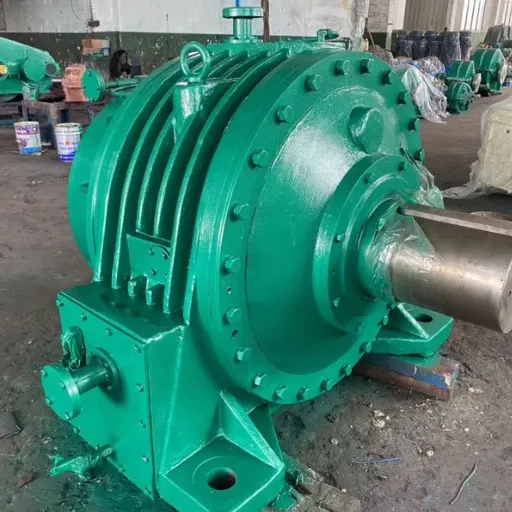
A planetary gear reducer, also called a planetary gearbox, is a speed reduction device that uses a central sun gear, multiple planet gears, and an outer ring gear to transfer power. The planet gears mesh simultaneously with the sun gear and the ring gear while rotating on a planet carrier. This layout shares the load across several gear meshes rather than one, which is why planetary designs achieve higher torque density than most single-path gear systems.
The basic components include:
Sun gear: The central input gear driven by the motor.
Planet gears: Multiple gears that orbit the sun and transmit torque to the carrier.
Ring gear: The fixed outer gear that provides the reaction path.
Planet carrier: The output element that delivers reduced-speed, high-torque rotation.
Because torque is split among several planet gears, each gear carries only a fraction of the total load. The result is a reducer that handles high torque in a smaller envelope than a conventional parallel-shaft design. This makes planetary reducers popular in applications where installation space is tight but performance cannot be compromised.
How a Planetary Gear Reducer Works
Power enters through the sun gear, which drives the planet gears. The planet gears roll against the stationary ring gear while the planet carrier rotates at a reduced speed. The output shaft connects to the carrier, delivering higher torque at lower rpm than the input.
The reduction ratio depends on the number of teeth on the sun gear and ring gear. A typical single-stage planetary reducer offers ratios from about 3:1 to 12:1. Two-stage and three-stage designs, where one planetary set drives another, can achieve ratios from 20:1 to over 100:1 while still maintaining good efficiency.
Efficiency remains high because the gear mesh paths are short and multiple teeth share the load. Single-stage planetary reducers often reach 97% efficiency under ideal conditions. Multi-stage designs still perform well, though each additional stage adds a small efficiency loss and increases mechanical complexity.
Common Planetary Gear Reducer Types and Series
Planetary reducers come in several configurations depending on ratio, torque, and mounting requirements. Understanding the main series helps you match the right planetary gear reducer to your application.
NGW Series
The NGW series is a single-stage planetary reducer widely used in general industrial applications. It offers a compact inline design with high torque capacity for its size. NGW reducers are common in conveyors, mixers, and light material handling equipment where space is limited but loads are moderate.
NGW-S Series
The NGW-S series adds a second planetary stage for higher reduction ratios. It keeps the inline configuration while delivering more speed reduction than the single-stage NGW. This series is useful when the motor speed must be reduced significantly while maintaining a compact housing.
NAD, NBD, and NCD Series
These are heavy-duty planetary reducers built for mining, material handling, and other severe-duty applications. They use larger planet gears, stronger carriers, and rugged housings to handle high torque and shock loads. The NAD/NBD/NCD series is often chosen for belt conveyor drives, crusher feeders, and winches.
NBZD and NCZD Series
The NBZD and NCZD series are high-torque planetary units designed for the most demanding industrial drives. These reducers combine planetary stages with additional helical or bevel stages to achieve very high ratios and extreme torque capacity. They are common in large mining equipment, rotary kilns, and heavy cranes.
At Jiangsu Manqi Machinery, we manufacture NGW, NGW-S, NAD, NBD, NCD, NBZD, and NCZD planetary reducers from our facility in Taixing City. Our engineering team can recommend a standard series or design a custom planetary gearbox when your application falls outside catalog ranges.
Key Parameters for Planetary Gear Reducer Selection
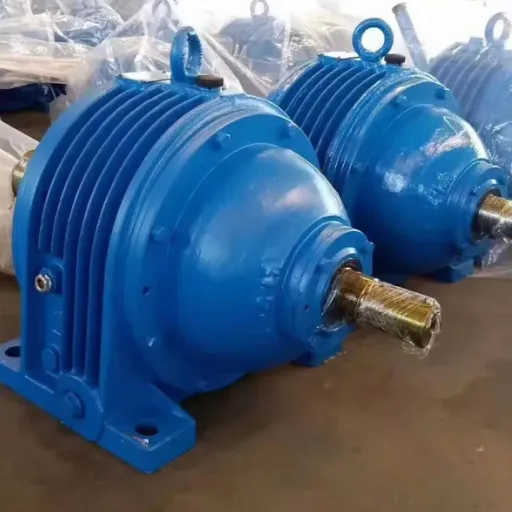
Selecting a planetary gear reducer requires more than matching a motor flange to a catalog model. The following parameters determine whether the unit will perform reliably over its intended life.
Output Torque and Reduction Ratio
Start with the torque your driven machine requires at the output shaft and the speed at which it must run. The reduction ratio is the relationship between motor speed and output speed. Make sure the reducer is rated for the continuous output torque under actual operating conditions, not just the motor's nominal rating.
Service Factor
The service factor accounts for shock loads, vibration, frequent starts and stops, and continuous duty. Planetary reducers are efficient and compact, but they still need adequate margin for real-world conditions. Service factors for industrial planetary applications typically range from 1.3 to 2.5 depending on load severity.
When Maria, a maintenance engineer at a cement plant in Vietnam, replaced a worn mixer reducer in 2025, she initially selected a unit rated exactly at the motor's nominal torque. After consulting with our engineers, she increased the service factor to 1.8 to account for material surge loads. The upgraded planetary gear reducer has now run for 14 months without the pitting issues that plagued the previous unit.
Mounting Position and Shaft Configuration
Planetary reducers are available with inline, right-angle, flange-mounted, and foot-mounted configurations. Confirm the input shaft diameter, output shaft arrangement, and mounting bolt pattern before ordering. Also check whether the reducer will operate horizontally, vertically, or at an angle, since lubrication and bearing load distribution depend on mounting position.
Operating Environment
Ambient temperature, dust, moisture, and chemical exposure all affect reducer life. Sealed housings, proper venting, and suitable lubricants prevent contamination and overheating. For outdoor or washdown environments, specify the appropriate protection rating and seal configuration.
Backlash and Precision
Some applications, such as robotics and positioning systems, require low backlash for accurate motion control. Standard planetary reducers may have a few arc-minutes of backlash, while precision units can achieve less than one arc-minute. Make sure your specification matches the accuracy requirements of your machine.
When to Choose a Planetary Gear Reducer Over Other Designs
Planetary reducers are not always the best choice. The decision depends on torque density, space constraints, duty cycle, and maintenance access.
Choose a planetary gear reducer when:
Installation space is limited.
High torque is required in a compact envelope.
Weight reduction is important.
The application involves conveyors, mixers, cranes, winches, robotics, or automation.
Efficiency and low inertia are priorities.
A cylindrical gear reducer may be a better fit when:
Space is not constrained.
Initial cost is the primary concern.
Field serviceability and easy bearing access matter more than compact size.
Maintenance teams prefer familiar parallel-shaft designs.
When the engineering team at a Turkish material handling firm redesigned a warehouse conveyor in early 2026, they compared a planetary gear reducer with a ZDY cylindrical unit. The planetary design allowed them to shrink the drive station by 30%, freeing floor space for additional sorting equipment. The total machine cost dropped because the smaller frame required less structural steel.
Want to compare planetary and cylindrical designs? Read our guide on planetary gear reducer vs cylindrical gear reducer selection.
Installation and Maintenance Best Practices
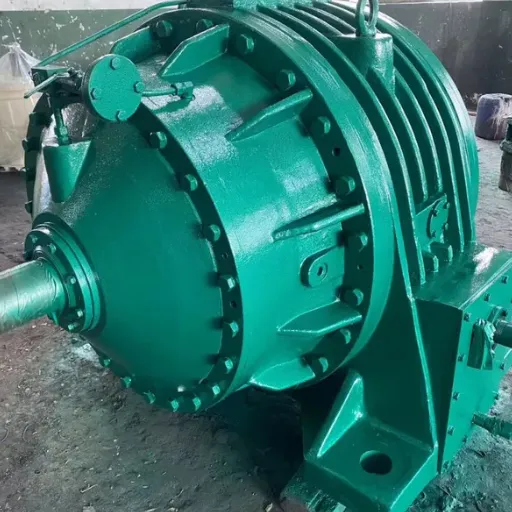
Even a correctly selected planetary gear reducer can fail if it is misaligned, poorly lubricated, or operated beyond its thermal limits. Follow these practices to maximize service life.
Alignment and Coupling Selection
Planetary reducers are compact and rigid, so coupling misalignment transfers directly to bearings and gear meshes. Use flexible couplings where appropriate and follow the supplier's alignment tolerances. Check both angular and parallel alignment during installation.
Lubrication
Use the lubricant grade and fill volume specified by the manufacturer. Mounting position affects how oil distributes inside the housing, so vertical or inclined installations may require different fill levels or forced lubrication. Check oil condition at recommended intervals and replace it before oxidation or contamination degrades performance.
Thermal Management
Continuous operation generates heat. Confirm that the reducer's thermal rating matches your duty cycle and ambient temperature. If the housing runs too hot, consider improving ventilation, using a cooling fan, or selecting a larger unit with greater heat dissipation capacity.
Monitoring and Preventive Maintenance
Inspect planetary reducers regularly for abnormal noise, vibration, and temperature. Trending vibration data can reveal bearing wear or tooth damage before catastrophic failure occurs. Many reducers can be prepared for sensor mounting on request.
Planetary Gear Reducer FAQs
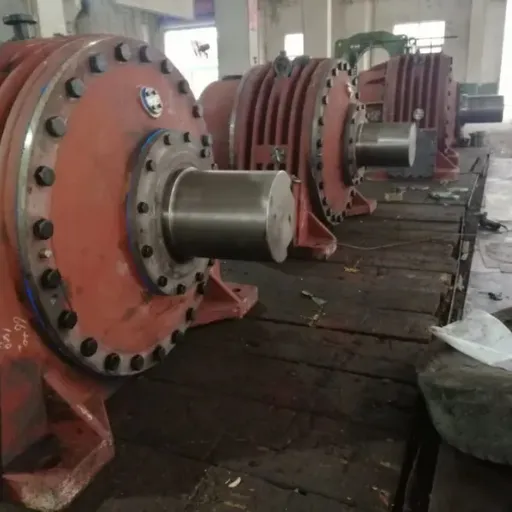
What is the main advantage of a planetary gear reducer?
The main advantage is high torque density. Because multiple planet gears share the load, a planetary gear reducer can deliver more torque in a smaller package than most parallel-shaft designs.
How do I calculate the reduction ratio for a planetary reducer?
The reduction ratio depends on the number of teeth on the sun gear and ring gear. For most buyers, the simplest approach is to divide the input motor speed by the required output speed. Your supplier can then confirm which standard ratio is closest.
Can planetary reducers handle shock loads?
Yes, but they must be sized correctly. Heavy-duty series such as NAD, NBD, NCD, NBZD, and NCZD are designed for shock loads and continuous duty. Always include shock and service factor in your selection calculation.
What maintenance does a planetary gear reducer need?
Regular maintenance includes lubricant checks, seal inspection, alignment verification, and vibration monitoring. With proper maintenance, industrial planetary reducers can operate for many years in demanding conditions.
Can I get a custom planetary gear reducer?
Yes. Manufacturers like Jiangsu Manqi Machinery can engineer custom planetary reducers for unique torque, mounting, or environmental requirements. Custom units are often the right choice when a catalog model does not fit your footprint or load profile.
Conclusion
A planetary gear reducer offers an excellent balance of compact size, high torque capacity, and efficiency when it is selected for the right application. Start by defining your output torque, reduction ratio, service factor, and mounting constraints. Then match those requirements to a proven series such as NGW, NGW-S, NAD/NBD/NCD, or NBZD/NCZD.
The key is to size the reducer for real operating conditions, not just catalog convenience. Pay attention to service factor, thermal limits, lubrication, and alignment during installation. With the right selection and maintenance, a planetary gear reducer can deliver reliable power transmission for years.
At Jiangsu Manqi Machinery, we manufacture a full range of planetary reducers and support customers with standard selection, custom engineering, and after-sales service. If you are specifying a planetary gear reducer for a new machine or replacing an existing unit, send us your requirements and our engineers will recommend the right solution.
Ready to select your planetary gear reducer? Contact our engineering team with your torque, speed, and mounting details, and we will provide a technical recommendation and quotation.
Recently Posted
-
NGW Planetary Gear Reducer: A Selection Guide for Compact High-Torque Drives
July 30, 2026An NGW planetary gear reducer is a single-stage epicyclic gearbox that uses a central sun gear, planet gears, and an internal ring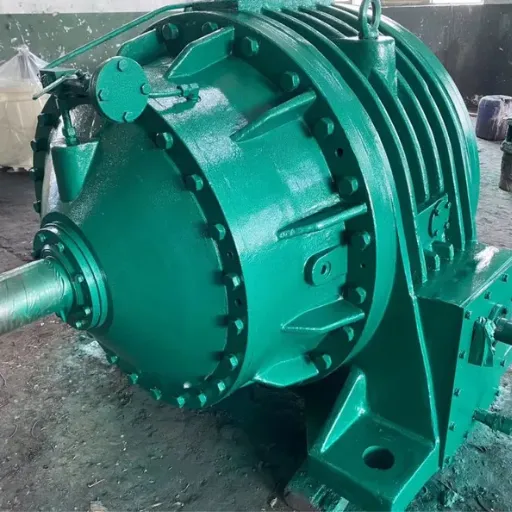 Read More
 -
Heavy Duty Planetary Reducer: A Guide for High-Torque Industrial Drives
July 30, 2026A heavy duty planetary reducer is the right choice when you need high output torque, shock-load capacity, and a compact footprint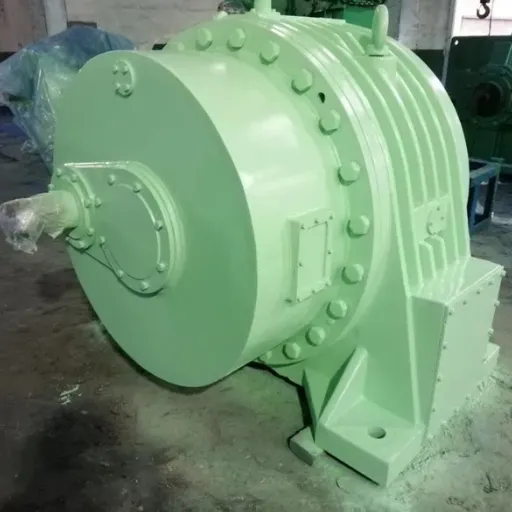 Read More
 -
Planetary Gear Motor: A Complete Engineer's Guide to Selection and Application
July 30, 2026A planetary gear motor is a compact drive solution that pairs a planetary gear reducer with an electric motor to deliver high outp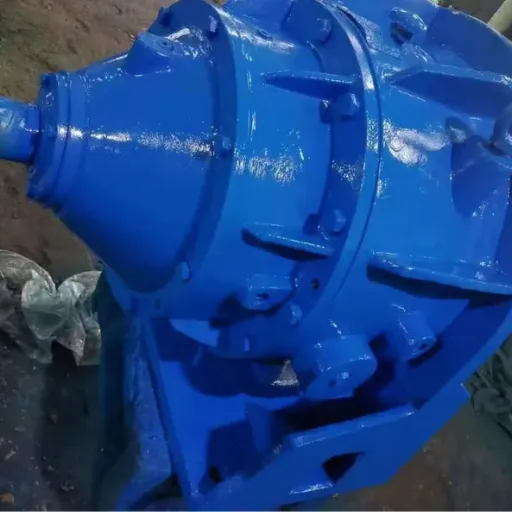 Read More
 -
High Torque Planetary Reducer: A Selection Guide for Heavy-Duty Industrial Drives
July 30, 2026A high torque planetary reducer is a compact drive system that distributes heavy loads across multiple planet gears meshing with a Read More

Contact Us
Recommended Products
-
 Kf127 Series Helical-Bevel Gear Motors for Industrial Power TransmissionNegotiableMOQ: 1 Set
 -
H1SH11 Modular Gearbox for Coal Mining Machinery With Cast Steel Housing and Mill Test ReportNegotiableMOQ: 1 Set
-
NGW101 Planetary Gear Reducer With Integral Flange Mount, 40Nm TorqueNegotiableMOQ: 1 Piece
-
Shanghai Dongfang DFSS400-520/4 Industrial Centrifugal Pump Wear RingNegotiableMOQ: 10 Pieces
-
SLOW300-550 High Hardness Shaft Bushing Spare Parts Matching Shanghai Liancheng Water Pump AccessoriesNegotiableMOQ: 1 Piece

-
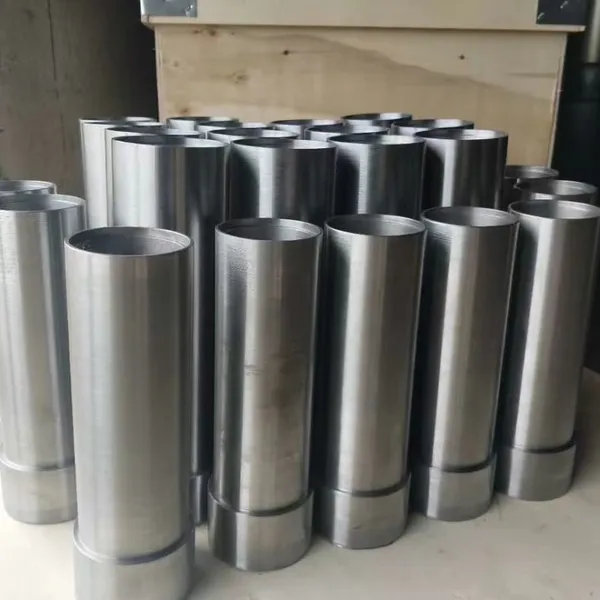
Shanghai Kaiquan KQSN300-X13A/390 Original Pump Seal Ring Spare PartNegotiableMOQ: 10 Pieces
-
Shanghai Dongfang IHH100-65-250 Chemical Pump Anti-Corrosion Seal RingNegotiableMOQ: 10 Pieces
-
Shanghai Dongfang DFSS600-24N/6 Wear Spare Ring for DFSS Water PumpNegotiableMOQ: 10 Pieces
-
Coaxial Parallel Shaft Gearbox Systems With Right Angle Spiral Bevel Helical Gear MotorsNegotiableMOQ: 1 Set
-
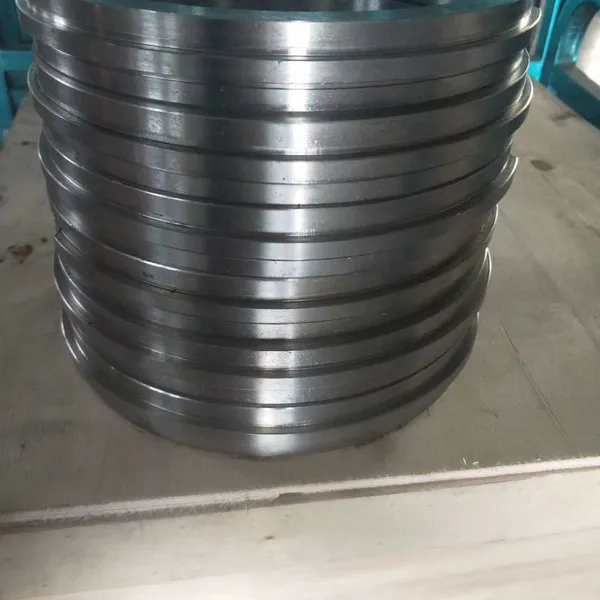
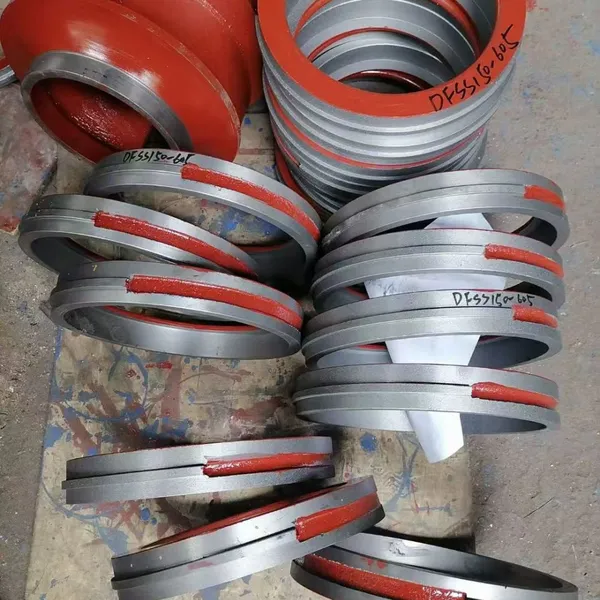
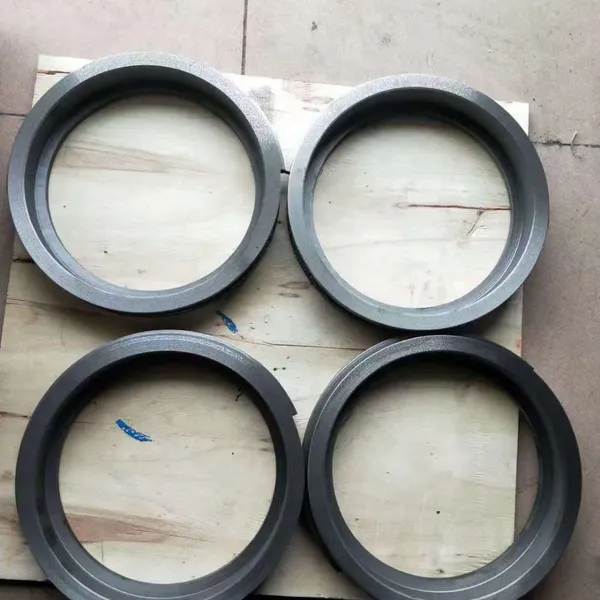
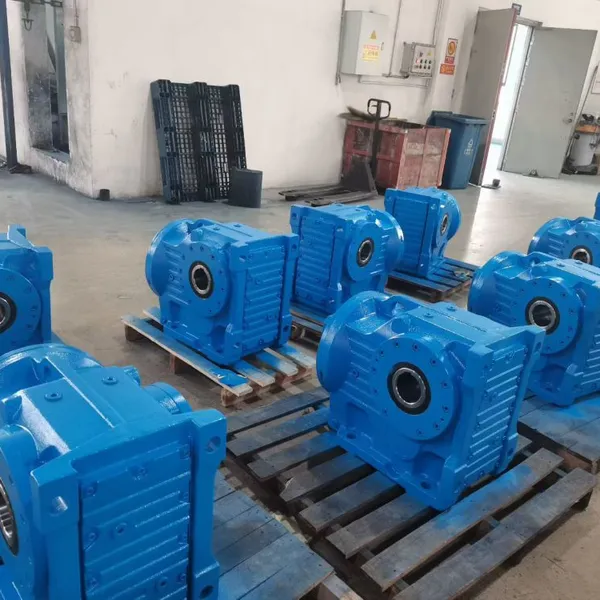
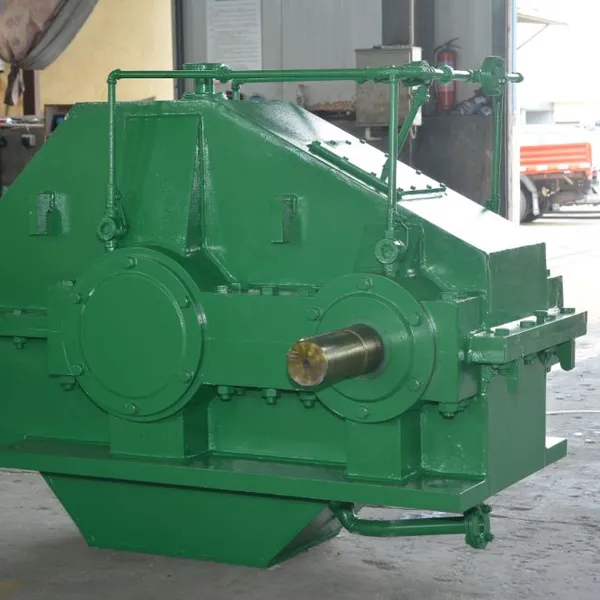
ZS125 Cylindrical Gear Reducer for Industrial Mixing ApplicationsNegotiableMOQ: 100 Sets
-
ZLY224 Cylindrical Gear Reducer With Hardened Steel Gears and 224mm Center DistanceNegotiableMOQ: 1 Piece
-
R87 Compact Inline Gear Motor Low Noise for Conveyor EquipmentNegotiableMOQ: 1 Set
-
NGW93 High Efficiency Low Vibration Planetary Gear Reducer For Machinery DriveNegotiableMOQ: 1 Piece
-
H1SH11 Modular Gear Reducers for CNC Machine IntegrationNegotiableMOQ: 1 Set
-
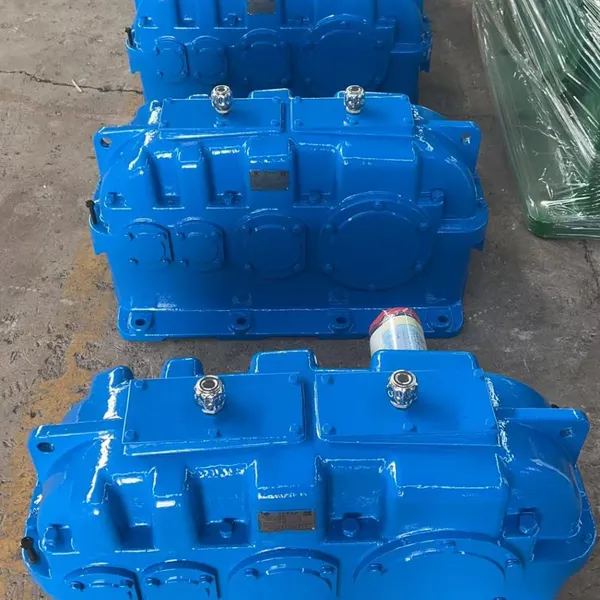
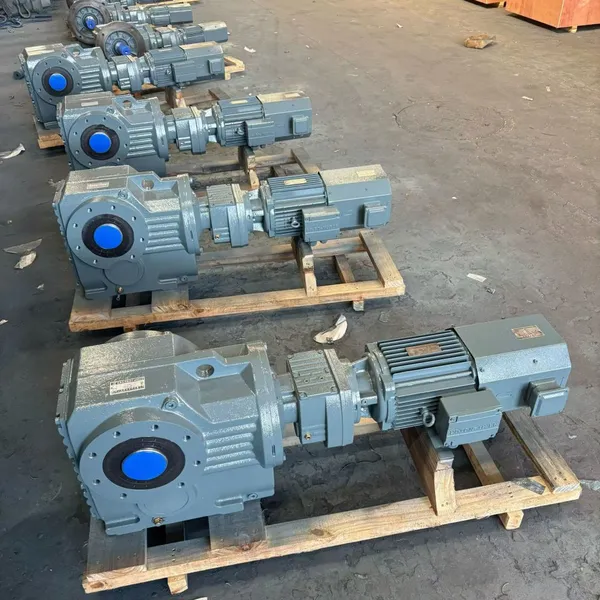
Gearmotor Converter System R/F/K/S Series Coaxial Parallel Shaft Gearbox Spiral Bevel MotorNegotiableMOQ: 1 Set
-
G3 Series Flange Mounted Helical Gear Motor Speed Reducer With Bevel GearboxNegotiableMOQ: 1 Set
-
Industrial Mixer Drive Solution With F Series Parallel Shaft Geared Motors F57 to F97NegotiableMOQ: 1 Set
-
Parallel Shaft Speed Reducer F Series, Models F57 F67 F77 F87 F97, IP55 Protection RatedNegotiableMOQ: 1 Set
-
Parallel Shaft Geared Motor F Series, F57-F97 With C-face Input Flange, 220V/380V OptionsNegotiableMOQ: 1 Set
-
Industrial ZSY630 Cylindrical Gear Reducer For Industrial Transmission EquipmentNegotiableMOQ: 1 Piece